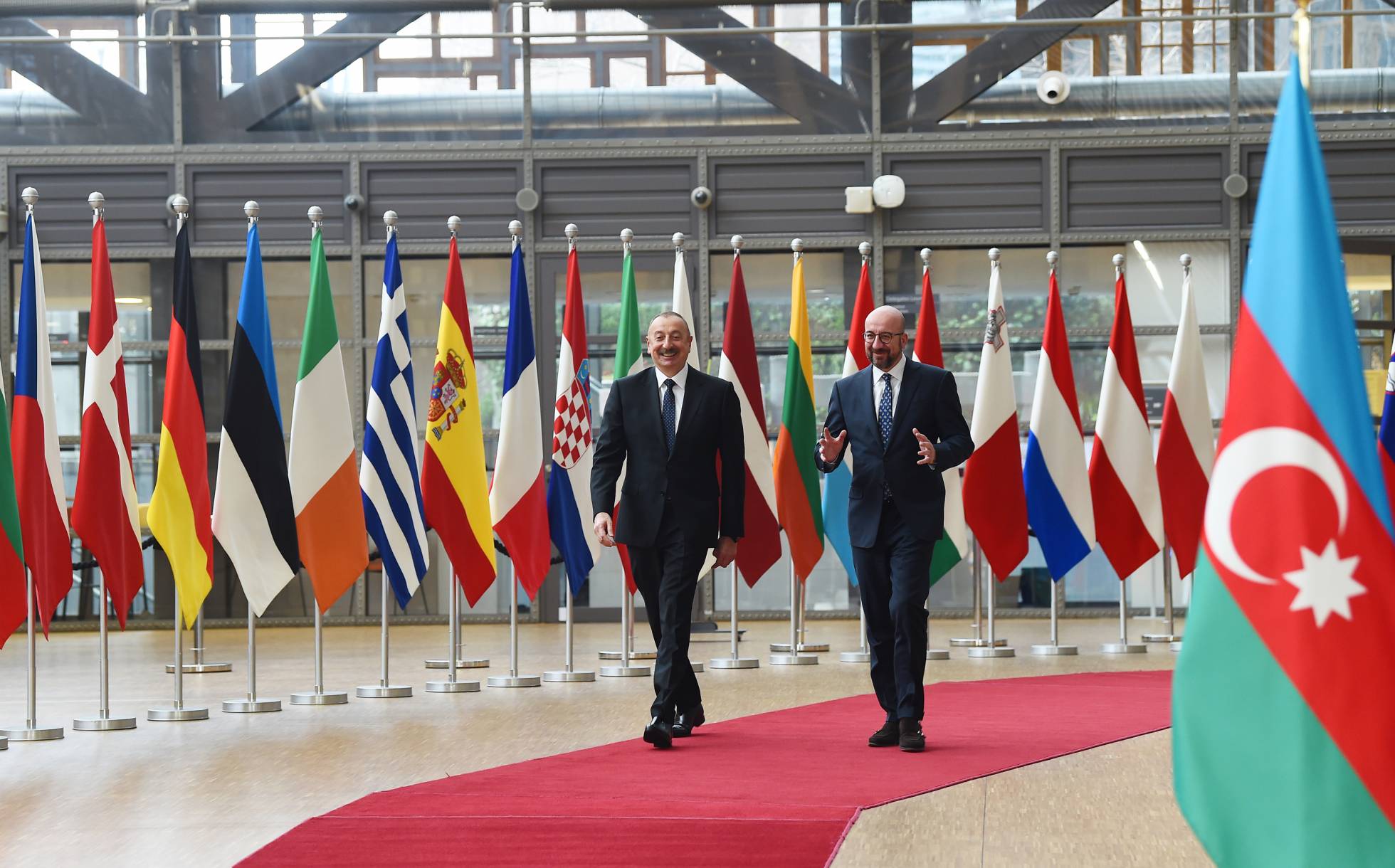
European negotiators in Brussels reached a provisional trade agreement with the U.S. that includes specific safeguards to protect the European Union [1, 2].
The agreement is critical because it provides the EU bloc a mechanism to respond if the Trump administration raises tariffs or fails to uphold the deal's terms [1, 2]. This protection serves as a hedge against potential trade volatility between the two major economic powers.
According to reports from Wednesday, May 20, the negotiators strengthened the ability of the EU to suspend the tariff deal if the U.S. reneges on the agreement [2, 3]. This move allows the bloc to adjust its commitments dynamically rather than remaining bound to a deal that the U.S. might unilaterally alter.
Details of the agreement include a sunset clause for these specific safeguards, which is set for the year 2029 [2]. This timeline establishes a fixed window for the protective measures before they must be renegotiated, or allowed to expire.
There are varying reports regarding the specific nature of the tariff provisions. Some reports indicate the EU agreed to remove import duties on U.S. goods as part of the provisional arrangement [4]. However, other accounts emphasize that the primary focus of the Brussels negotiations was the addition of safeguards that allow for the suspension of those very commitments if the U.S. deviates from the pact [2].
The deal comes as the EU seeks to stabilize trade relations ahead of potential tariff hikes from the U.S. administration [3]. By securing the right to suspend the deal, EU officials said they aim to ensure that any concessions made are met with reciprocal stability from Washington.
“European negotiators in Brussels reached a provisional trade agreement with the U.S. that includes specific safeguards”
The inclusion of suspension triggers and a 2029 sunset clause suggests a low-trust environment in transatlantic trade. By prioritizing 'exit ramps' over permanent concessions, the EU is treating the agreement as a provisional truce rather than a long-term strategic partnership, ensuring they can retaliate quickly if U.S. trade policy shifts toward protectionism.


