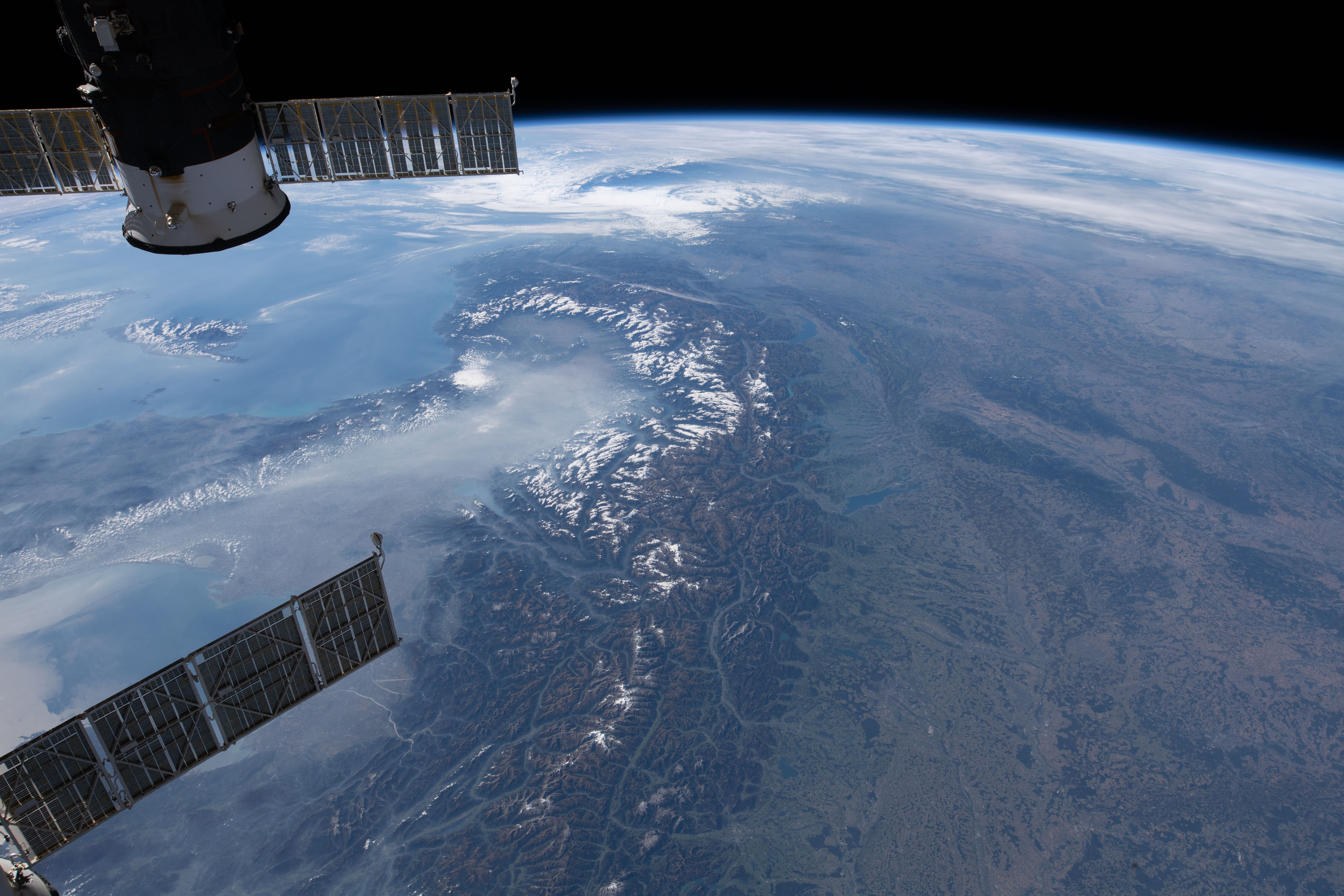
The EU-funded Waterwise project is collecting unprecedented data across the Alpine peaks to assess the vulnerability of high-altitude headwater catchments [1, 2].
This research is critical because these catchments feed the major rivers of Europe. If the Alps continue to dry out, the stability of the continent's freshwater supply could be compromised [1, 2].
Research teams are currently working across the Alpine region to evaluate how climate-driven drying affects the area. The project focuses on the role of the Alps as Europe's "water tower," a natural reservoir that regulates water flow to the lowlands [1, 2].
By gathering extensive data on these headwater sources, scientists aim to determine the extent of the drying trend. The findings will help determine how the changing hydrology of the peaks will impact the water security of the regions downstream [1, 2].
The Waterwise project operates as a coordinated effort to map the current state of these high-altitude environments. This data collection is intended to provide a baseline for predicting future water availability across the European continent [1, 2].
“The Alps are drying out”
The degradation of the Alpine water tower suggests a systemic risk to European agriculture, energy production, and urban water supplies. Because the Alps act as a primary regulator for major river systems, a permanent reduction in high-altitude water storage could lead to more frequent droughts and unpredictable river flows throughout the continent.


