
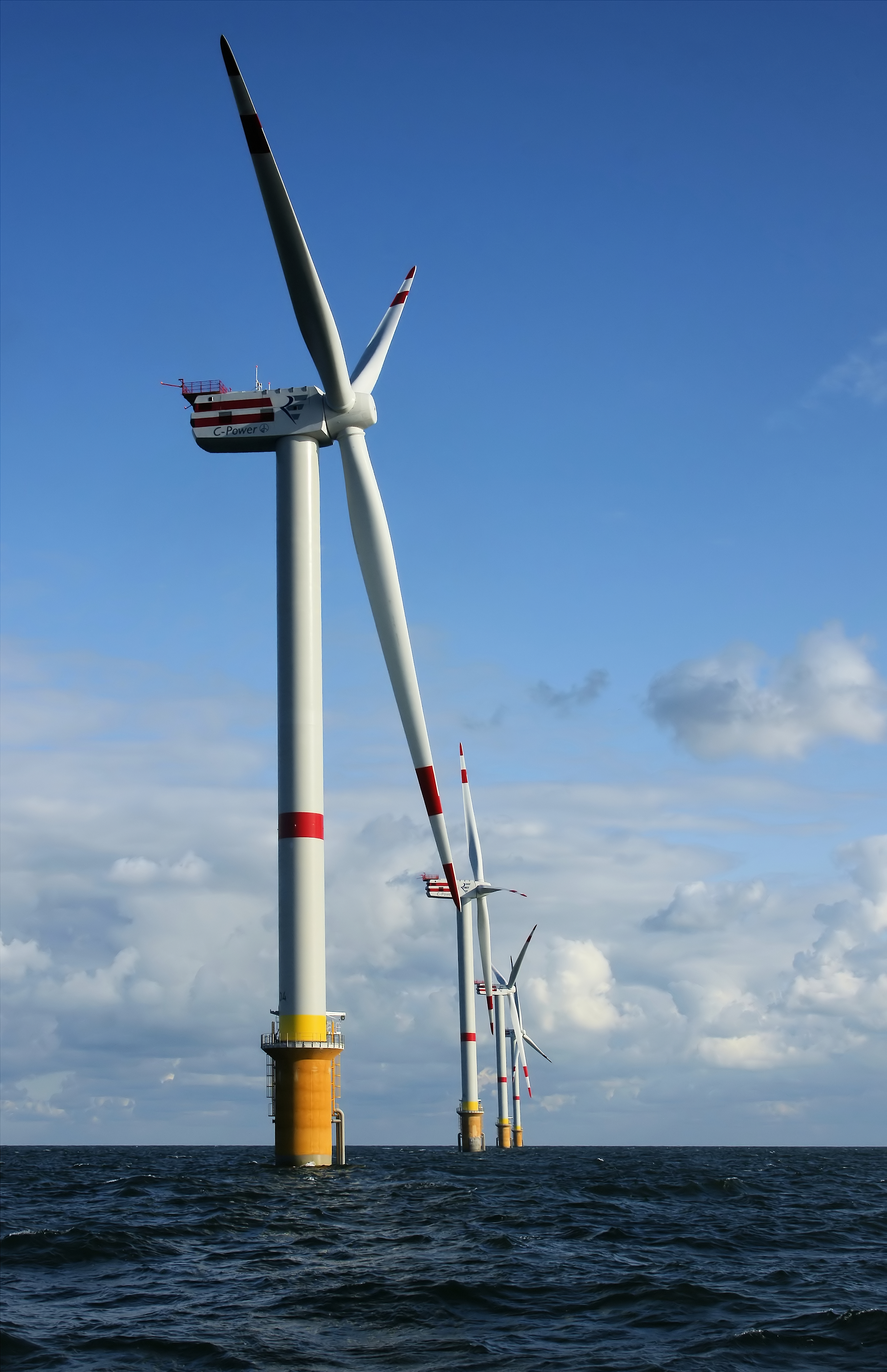
Insufficient battery storage capacity is preventing Europe from fully transitioning to clean energy by failing to capture excess solar and wind power.
This gap in infrastructure creates a critical bottleneck for the continent's electricity markets. Without the ability to store energy when production peaks, grids remain vulnerable to price volatility and must continue relying on fossil-fuel peaker plants to meet demand during low-generation periods.
Renewable energy generation is intermittent by nature. In markets with high solar and wind penetration—such as Germany, Spain, and Greece—surplus electricity is often wasted because it cannot be shifted to periods of high demand [1, 2]. This imbalance forces grid operators to maintain costly fossil-fuel backups to ensure stability.
Efforts to bridge this gap are underway, though progress varies. Current operational storage capacity in the EU is approximately 55 GW [3]. The region has set a target to increase this capacity to 200 GW by 2030 [3].
Industry data suggests a significant pipeline of development is currently active. More than 3,000 utility-scale storage projects are in development across Europe [4], with a total pipeline exceeding 130 GW [4].
Despite this momentum, some analysts said roadblocks remain for expanding battery storage. These obstacles hinder the speed of the transition and keep the energy market in a tricky transition phase [1, 2]. The inability to synchronize generation with consumption means that even a solar-rich environment cannot fully decouple the grid from carbon-intensive fuels.
“Insufficient battery storage capacity is preventing Europe from fully transitioning to clean energy.”
The transition to green energy is no longer a problem of generation, but one of synchronization. Until Europe reaches its 200 GW storage target, the grid will remain dependent on a hybrid model where renewables provide the bulk of power, but fossil fuels provide the necessary stability. The success of the 2030 goal depends on whether the 3,000 projects currently in the pipeline can overcome regulatory and technical roadblocks to become operational.


'%2F%3E%0A%20%20%20%20%3Crect%20width%3D'1600'%20height%3D'900'%20fill%3D'url(%23v)'%2F%3E%0A%20%20%20%20%3Cg%20opacity%3D'0.08'%20fill%3D'%23ffffff'%3E%0A%20%20%20%20%20%20%3Ccircle%20cx%3D'1420'%20cy%3D'180'%20r%3D'220'%2F%3E%0A%20%20%20%20%20%20%3Ccircle%20cx%3D'1500'%20cy%3D'760'%20r%3D'120'%2F%3E%0A%20%20%20%20%3C%2Fg%3E%0A%20%20%20%20%3Cline%20x1%3D'80'%20y1%3D'172'%20x2%3D'220'%20y2%3D'172'%20stroke%3D'%23ffffff'%20stroke-width%3D'3'%20stroke-opacity%3D'0.6'%2F%3E%0A%20%20%20%20%3Ctext%20x%3D'80'%20y%3D'140'%20font-family%3D'Inter%2C%20-apple-system%2C%20Helvetica%2C%20sans-serif'%20font-weight%3D'700'%20font-size%3D'28'%20fill%3D'%23ffffff'%20letter-spacing%3D'6'%3EHANNA%20%C2%B7%20NEWS%3C%2Ftext%3E%0A%20%20%20%20%3Ctext%20x%3D'80'%20y%3D'230'%20font-family%3D'Inter%2C%20-apple-system%2C%20Helvetica%2C%20sans-serif'%20font-weight%3D'600'%20font-size%3D'40'%20fill%3D'%23ffffffb3'%20letter-spacing%3D'4'%3EWORLD%3C%2Ftext%3E%0A%20%20%20%20%3Ctext%20x%3D'80'%20y%3D'622'%20font-family%3D'Playfair%20Display%2C%20Georgia%2C%20serif'%20font-weight%3D'800'%20font-size%3D'86'%20fill%3D'%23ffffff'%20letter-spacing%3D'-1'%3ECPI(M)%20Workers%20Arrested%3C%2Ftext%3E%3Ctext%20x%3D'80'%20y%3D'721'%20font-family%3D'Playfair%20Display%2C%20Georgia%2C%20serif'%20font-weight%3D'800'%20font-size%3D'86'%20fill%3D'%23ffffff'%20letter-spacing%3D'-1'%3EAfter%20Attack%20on%20ED%20Vehicle%3C%2Ftext%3E%3Ctext%20x%3D'80'%20y%3D'820'%20font-family%3D'Playfair%20Display%2C%20Georgia%2C%20serif'%20font-weight%3D'800'%20font-size%3D'86'%20fill%3D'%23ffffff'%20letter-spacing%3D'-1'%3Ein%20Thiruvananthapuram%3C%2Ftext%3E%0A%20%20%20%20%3Ctext%20x%3D'80'%20y%3D'870'%20font-family%3D'Inter%2C%20-apple-system%2C%20Helvetica%2C%20sans-serif'%20font-weight%3D'500'%20font-size%3D'22'%20fill%3D'%23ffffff66'%20letter-spacing%3D'2'%3Enews.hanna-ai.com%3C%2Ftext%3E%0A%20%20%3C%2Fsvg%3E)