'%2F%3E%0A%20%20%20%20%3Crect%20width%3D'1600'%20height%3D'900'%20fill%3D'url(%23v)'%2F%3E%0A%20%20%20%20%3Cg%20opacity%3D'0.08'%20fill%3D'%23ffffff'%3E%0A%20%20%20%20%20%20%3Ccircle%20cx%3D'1420'%20cy%3D'180'%20r%3D'220'%2F%3E%0A%20%20%20%20%20%20%3Ccircle%20cx%3D'1500'%20cy%3D'760'%20r%3D'120'%2F%3E%0A%20%20%20%20%3C%2Fg%3E%0A%20%20%20%20%3Cline%20x1%3D'80'%20y1%3D'172'%20x2%3D'220'%20y2%3D'172'%20stroke%3D'%23ffffff'%20stroke-width%3D'3'%20stroke-opacity%3D'0.6'%2F%3E%0A%20%20%20%20%3Ctext%20x%3D'80'%20y%3D'140'%20font-family%3D'Inter%2C%20-apple-system%2C%20Helvetica%2C%20sans-serif'%20font-weight%3D'700'%20font-size%3D'28'%20fill%3D'%23ffffff'%20letter-spacing%3D'6'%3EHANNA%20%C2%B7%20NEWS%3C%2Ftext%3E%0A%20%20%20%20%3Ctext%20x%3D'80'%20y%3D'230'%20font-family%3D'Inter%2C%20-apple-system%2C%20Helvetica%2C%20sans-serif'%20font-weight%3D'600'%20font-size%3D'40'%20fill%3D'%23ffffffb3'%20letter-spacing%3D'4'%3EWORLD%3C%2Ftext%3E%0A%20%20%20%20%3Ctext%20x%3D'80'%20y%3D'622'%20font-family%3D'Playfair%20Display%2C%20Georgia%2C%20serif'%20font-weight%3D'800'%20font-size%3D'86'%20fill%3D'%23ffffff'%20letter-spacing%3D'-1'%3EEurope%20Implements%20Heat%3C%2Ftext%3E%3Ctext%20x%3D'80'%20y%3D'721'%20font-family%3D'Playfair%20Display%2C%20Georgia%2C%20serif'%20font-weight%3D'800'%20font-size%3D'86'%20fill%3D'%23ffffff'%20letter-spacing%3D'-1'%3EAdaptation%20Measures%20Amid%3C%2Ftext%3E%3Ctext%20x%3D'80'%20y%3D'820'%20font-family%3D'Playfair%20Display%2C%20Georgia%2C%20serif'%20font-weight%3D'800'%20font-size%3D'86'%20fill%3D'%23ffffff'%20letter-spacing%3D'-1'%3EExtreme%20Temperatures%3C%2Ftext%3E%0A%20%20%20%20%3Ctext%20x%3D'80'%20y%3D'870'%20font-family%3D'Inter%2C%20-apple-system%2C%20Helvetica%2C%20sans-serif'%20font-weight%3D'500'%20font-size%3D'22'%20fill%3D'%23ffffff66'%20letter-spacing%3D'2'%3Enews.hanna-ai.com%3C%2Ftext%3E%0A%20%20%3C%2Fsvg%3E)
European authorities are implementing heat-sensing systems and altered work schedules to protect citizens from intensifying extreme heat [1].
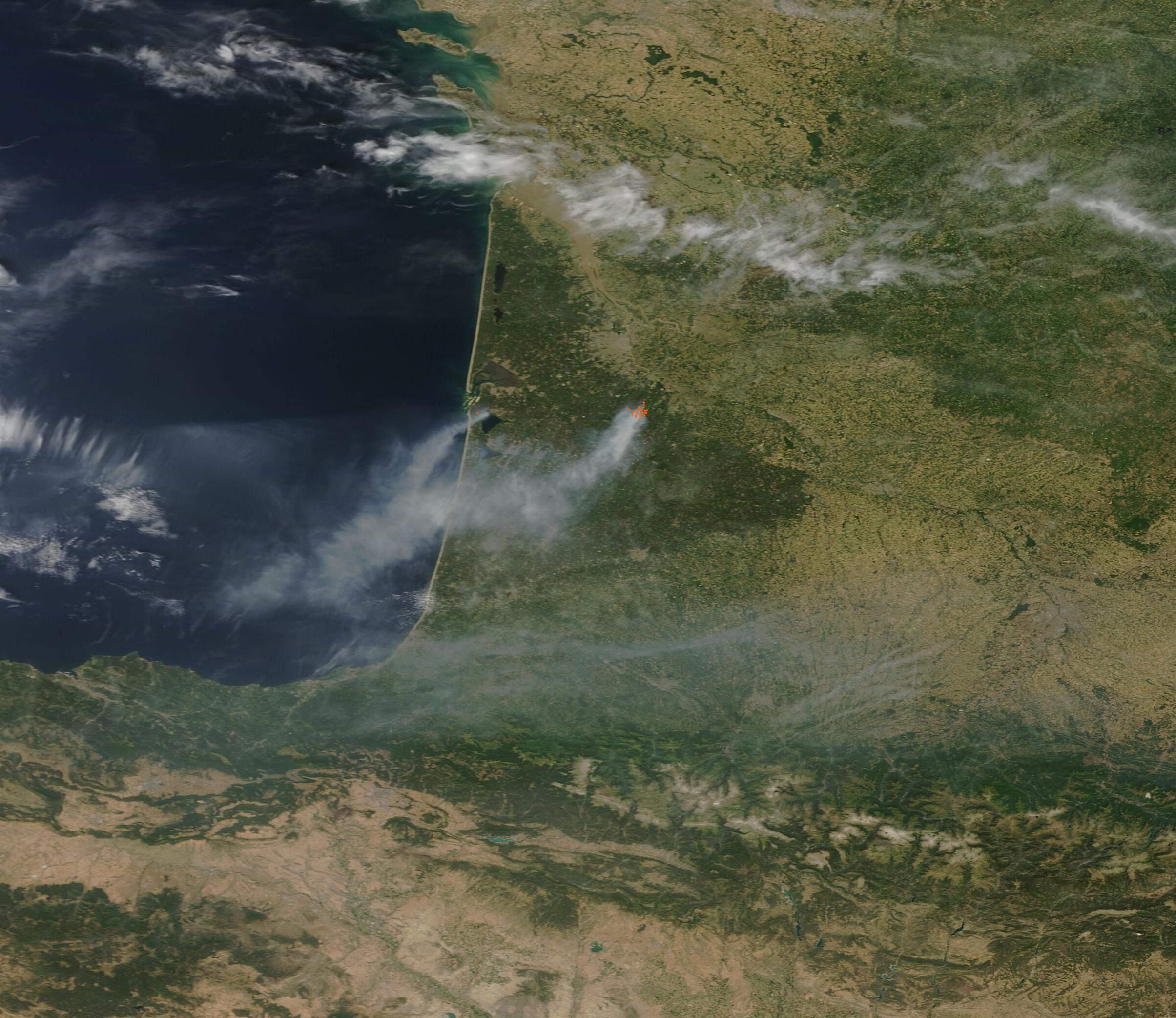
These measures follow a period of unprecedented temperatures that have strained public health systems and increased the frequency of wildfires across the continent. As climate change intensifies heat events, the region faces growing vulnerability to temperature spikes that occur earlier in the season [1].
In Spain and France, governments are focusing on workplace safety and emergency response. Some regions have introduced earlier work start times to ensure laborers complete their tasks before the peak afternoon heat [1, 2]. Additionally, authorities are deploying heat-sensing technology to monitor environmental conditions and identify high-risk zones in real time [2].
These adaptations come after a severe heatwave in late June that resulted in thousands of excess deaths [1]. The surge in temperatures created a critical need for systemic changes in how urban and rural areas manage extreme weather. Firefighting responses have also been scaled up to combat the increased risk of wildfires triggered by the arid conditions [1].
Officials said the combination of technological monitoring and policy shifts is necessary to reduce mortality rates during future events. The focus remains on protecting the most vulnerable populations, including outdoor workers, and the elderly, who are most susceptible to heat-related illnesses [1].
“European authorities are implementing heat-sensing systems and altered work schedules to protect citizens.”
The shift toward systemic adaptation—rather than temporary emergency responses—indicates that European governments now view extreme heat as a permanent structural threat. By altering labor laws and integrating sensor technology, these nations are attempting to decouple economic productivity from climate vulnerability, acknowledging that traditional summer schedules are no longer viable in a warming climate.