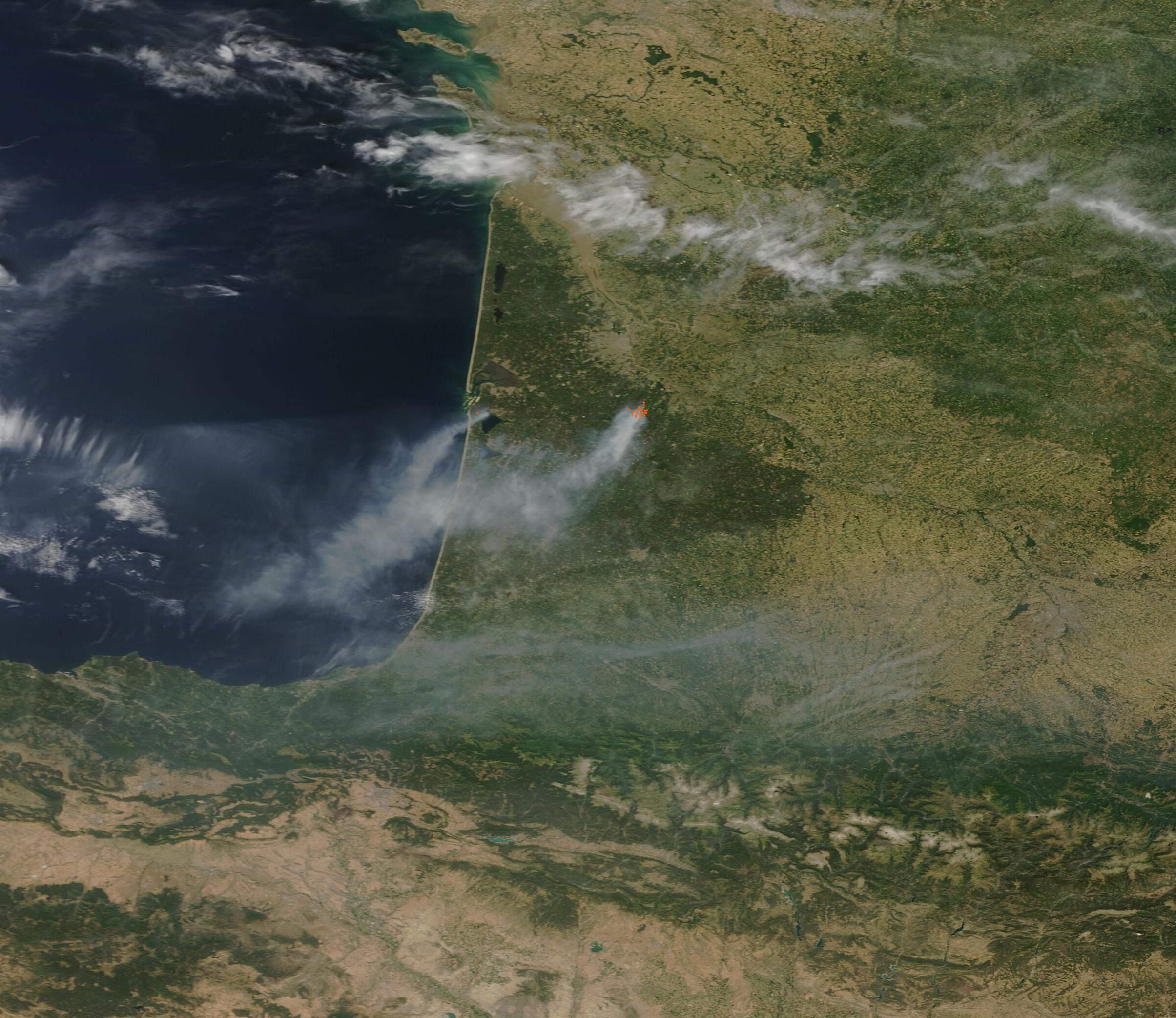
Unprecedented wildfires are sweeping across western and southern Europe, forcing thousands of residents to evacuate their homes [2].
The scale of the disaster highlights the increasing volatility of European summers. As record heat intensifies, the region faces a growing struggle to contain blazes that threaten both urban centers and rural ecosystems.
France and Spain have deployed thousands of firefighters to combat the flames [1]. These teams are receiving assistance from neighboring countries to manage the crisis, which has primarily impacted France, Spain, Portugal, and Greece [1, 2].
The current crisis follows a pattern of extreme weather that began in May 2024 [1, 2]. A record-breaking heat wave in June intensified the conditions, creating a tinderbox effect across the Mediterranean basin. That specific heat wave caused thousands of deaths [2].
Climate change is the primary driver behind the frequency and intensity of these heat waves, which in turn fuel the wildfires [1, 2]. The environmental shift has made the region more susceptible to rapid fire spread and longer burning seasons.
This trend is part of a larger, lethal pattern in the region. Wildfires have killed hundreds of people over the last decade [4]. The current deployment of resources represents one of the largest coordinated firefighting efforts in the region's recent history.
“Unprecedented wildfires are sweeping across western and southern Europe”
The convergence of record-breaking heat waves and unprecedented wildfire activity suggests that Southern Europe has entered a new era of climate risk. The reliance on cross-border assistance for firefighting indicates that national resources are no longer sufficient to handle the scale of climate-driven disasters, necessitating a more integrated European emergency response framework.

