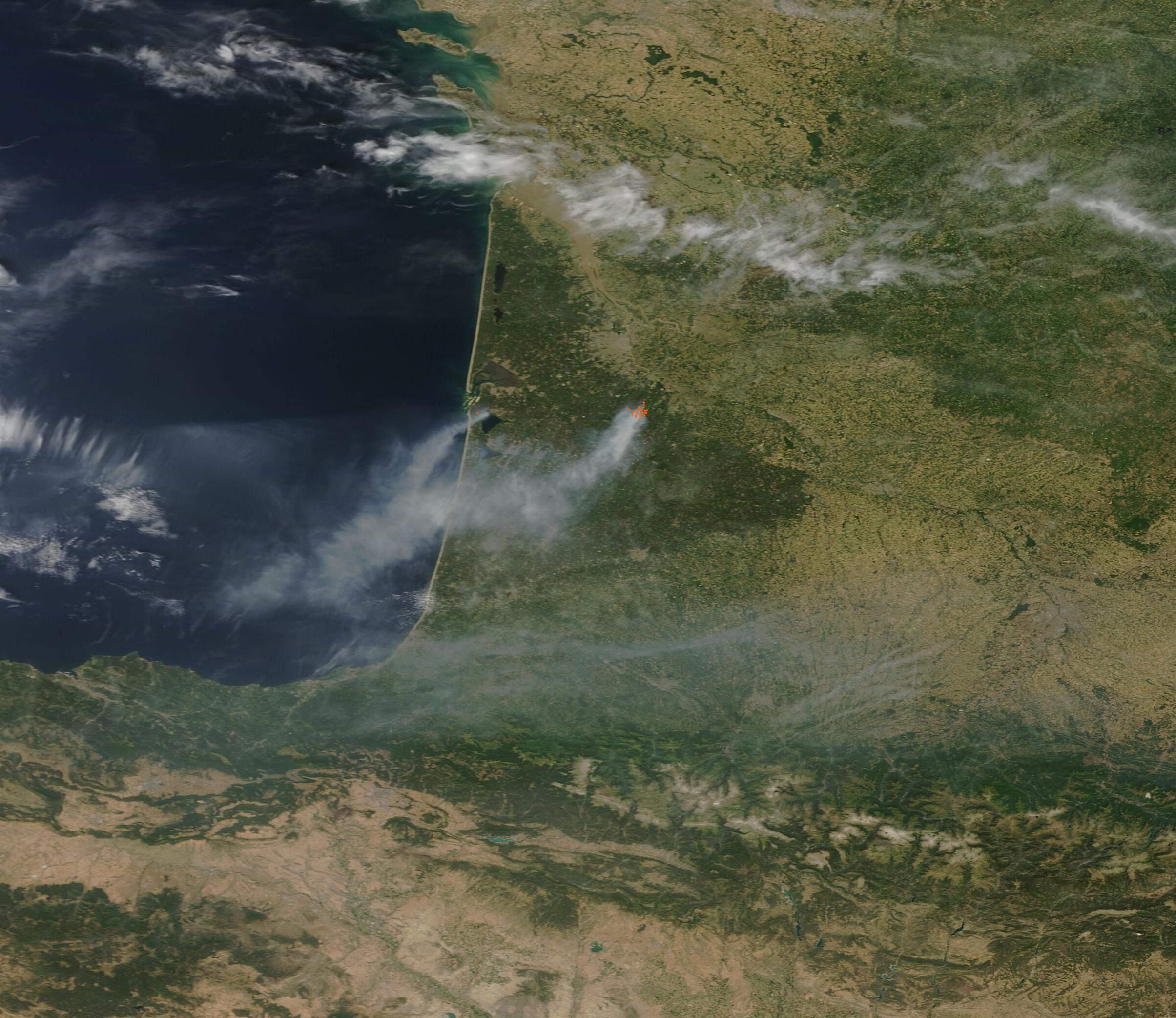
A record-breaking heat wave is fueling extreme drought and igniting widespread wildfires across southern Europe this summer [1, 2, 3, 4].
The crisis underscores the intensifying impact of human-caused climate change, which creates the volatile conditions necessary for rapid-fire spread and prolonged water shortages [3, 4, 6].
The weather emergency began with a record-breaking heat wave in June 2026 [1]. Temperatures surged to over 40 °C in the Western Balkans and southern France [2]. These conditions have persisted into July, leaving drought-prone regions of Portugal, Spain, and Greece particularly vulnerable [1, 2].
The human toll has been severe. Extreme heat led to 10,000 excess deaths over the last month [4]. In Spain, at least 12 people died due to the wildfires [4]. Meanwhile, Germany recorded nearly 100 deaths by drowning [4].
Emergency services have struggled to contain the blazes as the drought intensifies [3]. In several regions, thousands of people were forced to evacuate their homes to escape the advancing flames [1].
Climate scientists said the extreme drought has been intensified by human-caused climate change [3]. This shift in climate patterns transforms forests into tinderboxes, making it easier for small sparks to evolve into uncontrollable infernos [4, 6].
Authorities in the Western Balkans and southern France continue to monitor temperature spikes as the region remains under high alert [2].
“A record-breaking heat wave is fueling extreme drought and igniting widespread wildfires across Europe.”
The convergence of record temperatures and extreme drought in 2026 highlights a growing systemic vulnerability in Southern Europe's infrastructure and ecosystem. The high number of excess deaths and the scale of evacuations suggest that previous disaster preparedness models may no longer be sufficient to handle the increased frequency and intensity of climate-driven heat events.


