A viral video claiming that traffic lights in Europe melted during an extreme heatwave is false, according to a fact-check by FNN [1].
This misinformation highlights how authentic footage of environmental crises can be repurposed to spread falsehoods during periods of high public anxiety. By linking real weather extremes to unrelated damage, the video exploited global concerns regarding climate instability.
The misleading footage first appeared on X on June 28, 2026 [1]. The post included a Spanish caption stating that Europe was literally melting and that traffic lights in Italy and Germany had melted due to heatwaves reaching 40 to 45 degrees [1]. However, the FNN program "It!" said that the deformation of the traffic signal canopy was caused by a fire, not by ambient atmospheric heat [1].
While the specific video was fraudulent, Europe has faced severe weather conditions this summer. On June 28, 2026, Germany recorded a record high temperature of 41.7 °C [2]. Earlier in the month, Southwest France saw a record high of 44.3 °C on June 23 [2]. These temperatures contributed to a deadly season in France, where 5,700 additional deaths occurred during June and July compared to forecasts [1].
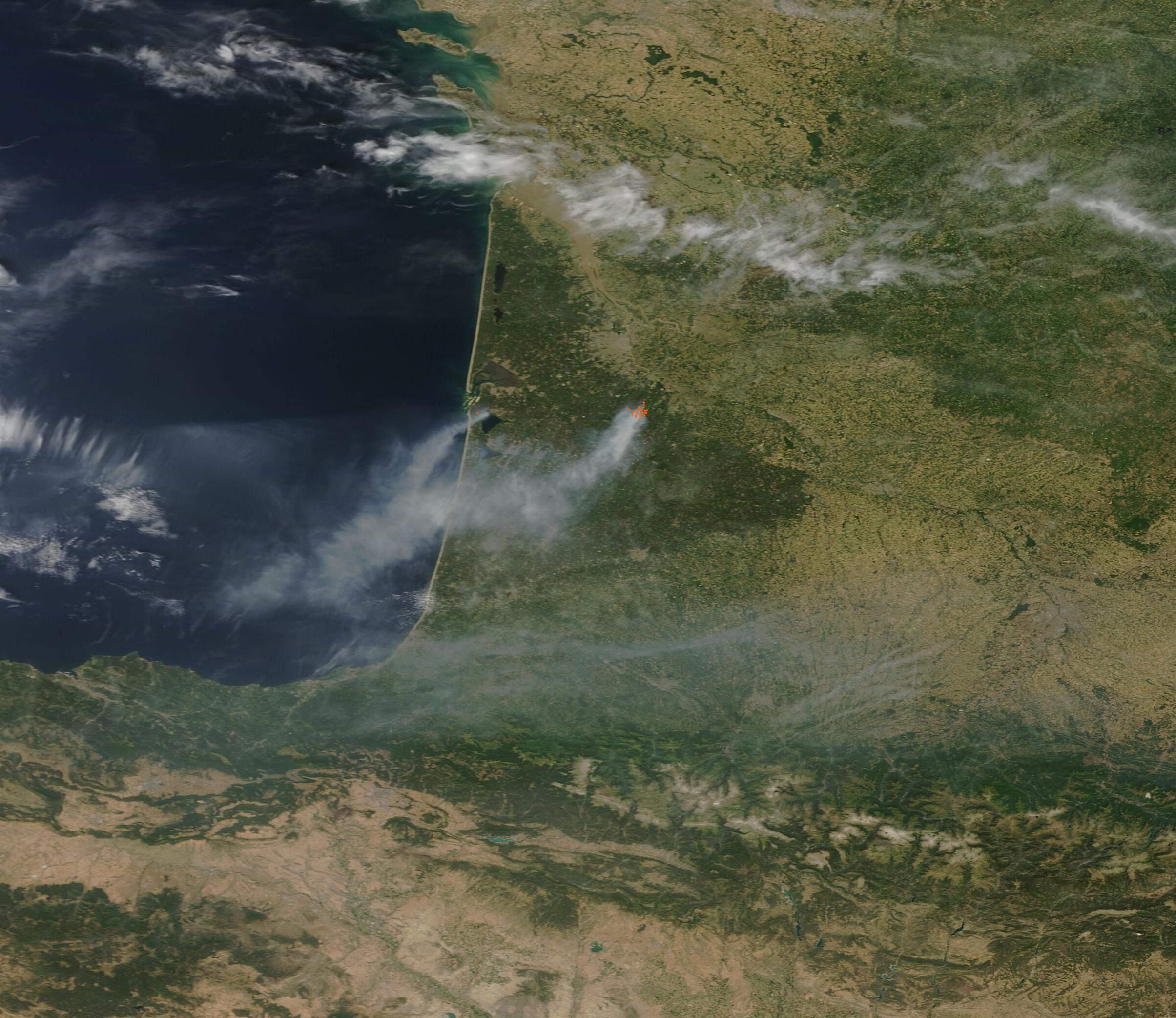
The heat has also fueled devastating wildfires across the continent. Reuters said that approximately 19,000 hectares had been burned by wildfires in Europe as of a recent reporting period [3].
The FNN report said that the misinformation spread across multiple languages, including Japanese. This pattern suggests that misleading captions attached to real imagery are particularly effective at deceiving viewers who are already aware of the ongoing heat crisis.
“The deformation of the traffic signal canopy was caused by a fire, not by ambient atmospheric heat.”
The spread of this video demonstrates the 'kernel of truth' tactic in misinformation, where a real event—the 2026 European heatwave—is used to lend credibility to a fake claim. Because the region was actually experiencing record-breaking temperatures and lethal heat-related deaths, viewers were more likely to accept the visual evidence of a melted traffic light without questioning the cause. This underscores the difficulty of combating misinformation when the broader narrative of a crisis is factually accurate.