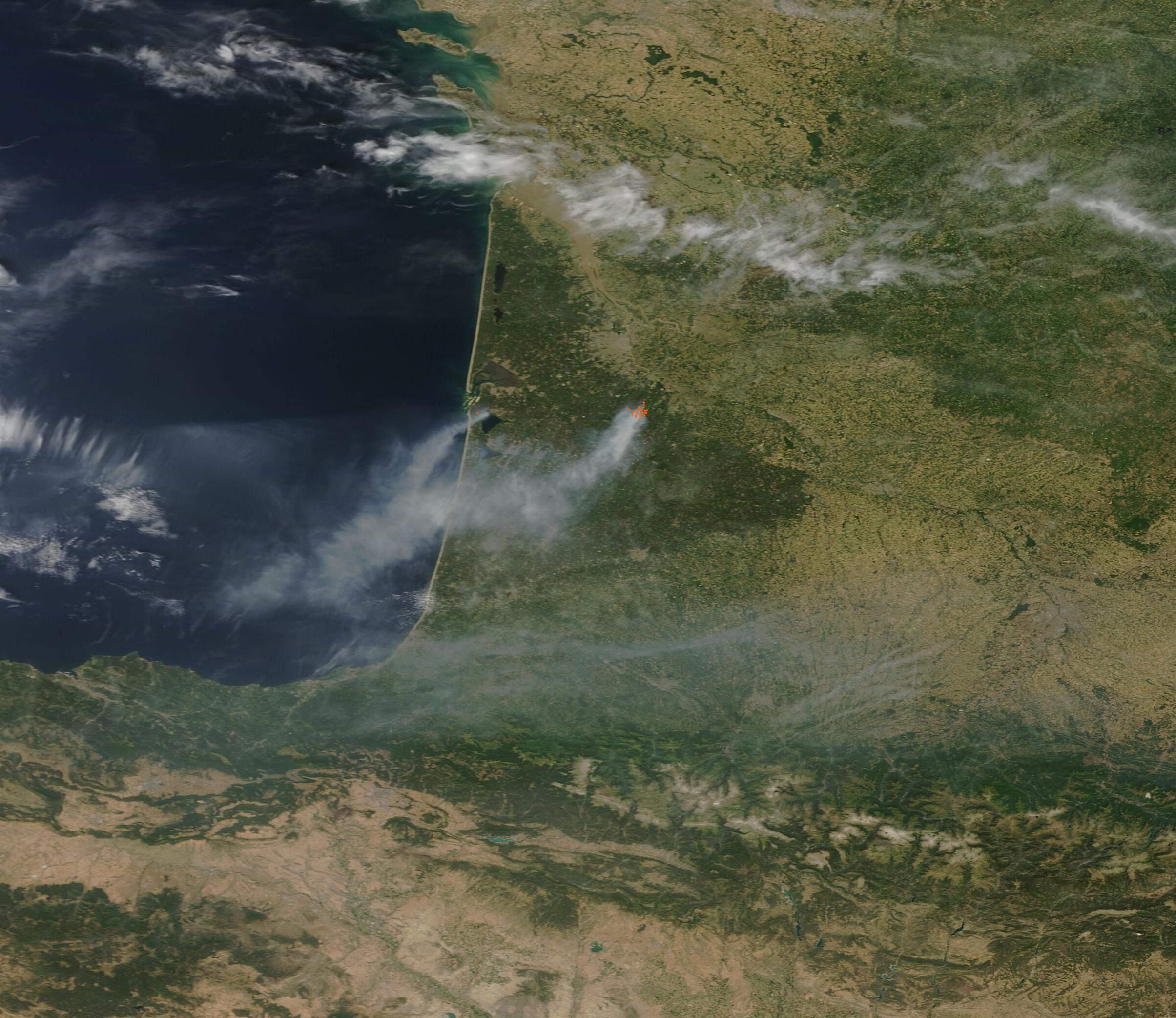
Wildfires are sweeping through Portugal, Spain, France, and Greece, destroying thousands of hectares of forest across the European continent [1].
This surge in fire activity highlights the increasing vulnerability of Southern Europe to extreme weather patterns. The scale of the destruction threatens biodiversity, local infrastructure, and public health during a period of intense heat.
In Portugal, the impact has been severe, with fires burning more than 13,000 hectares [1]. The scale of the devastation is part of a broader trend across the region where environmental conditions have become increasingly volatile.
Experts said a combination of extreme temperatures, drought, and strong winds are the primary drivers of the current crisis [2]. These natural factors are further amplified by climate change, creating a landscape prone to rapid ignition and spread [3].
Human negligence has also played a role in sparking some of the blazes [2]. The interaction between human error and a desiccated environment has created a volatile situation for emergency responders.
Data indicates that current fire activity is 19% above the decade-average for this time of year [2]. This deviation suggests that the current season is significantly more aggressive than typical historical patterns.
Authorities continue to battle the flames as the region remains under the influence of a persistent heatwave. The combination of dry fuel and high winds continues to challenge containment efforts in the affected countries [1].
“Fire activity is 19% above the decade-average for this time of year.”
The intersection of human negligence and climate-driven drought is shortening the recovery time for European forests. With fire activity significantly exceeding the ten-year average, the region is facing a 'new normal' where traditional firefighting windows are shrinking and the intensity of blazes is increasing.