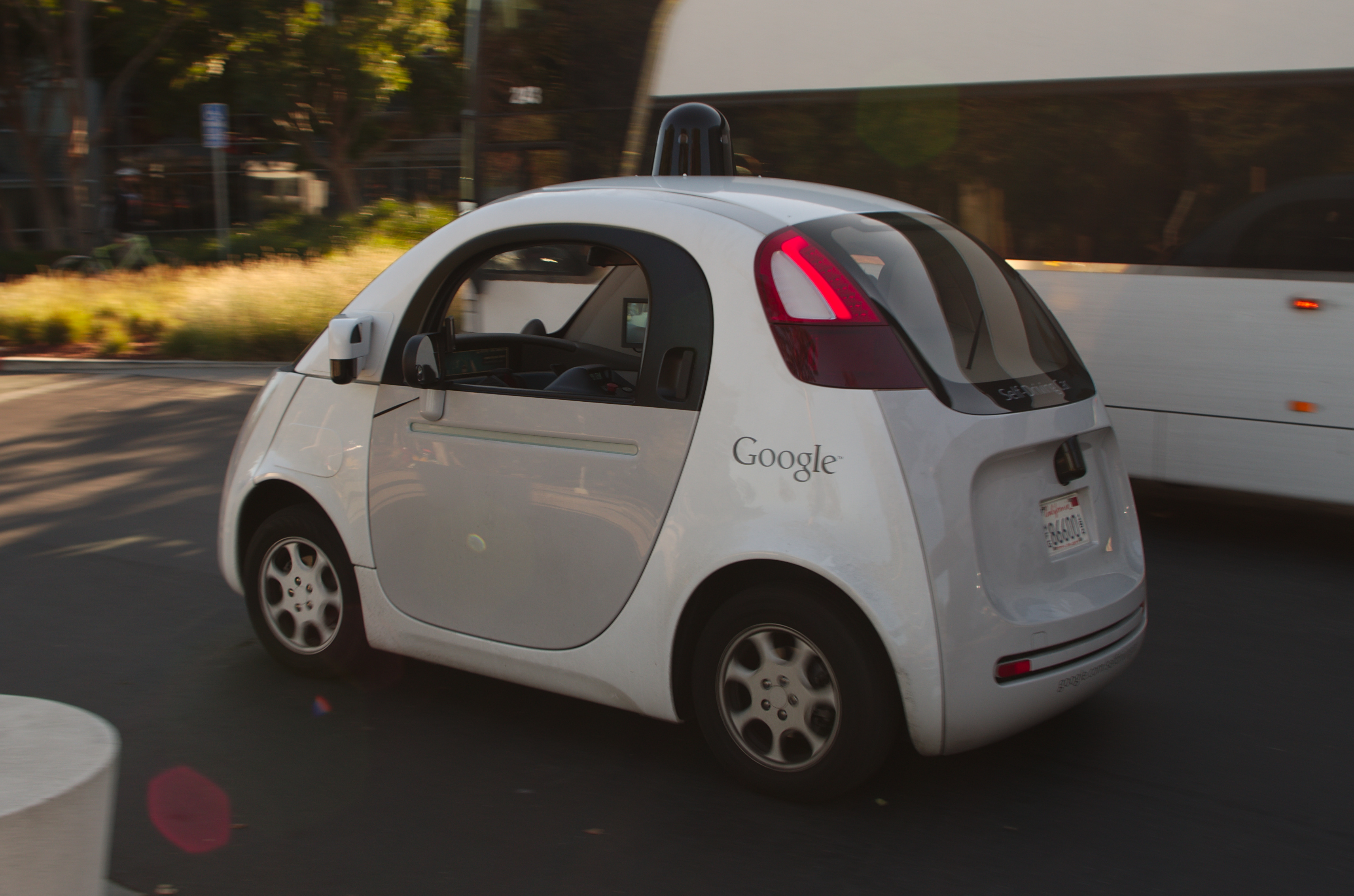
Electric vehicles are far less likely to be stolen than traditional gas or diesel vehicles [1, 2].
This trend suggests a fundamental shift in automotive crime patterns as the U.S. fleet transitions toward electrification. While traditional vehicle theft remains a persistent issue for owners and insurers, the relative security of EVs may influence future insurance premiums and consumer purchasing decisions.
Reports indicate that theft of electric vehicles is virtually non-existent when compared to the rates seen in internal combustion engine vehicles [1, 2]. "Data shows that EVs are far less likely to be stolen than traditional gas or diesel vehicles," MSN Autos said [2].
Despite the clear disparity in theft rates, the specific cause for this trend remains unverified. There is no single piece of hard data that explains why thieves prefer gas-powered cars over electric ones [1].
Experts have proposed several theories to explain the gap. Some suggest that the advanced digital security and integrated tracking systems common in newer EVs make them harder to steal or resell. Others point to the lack of a secondary market for stolen EV parts compared to the high demand for specific components from traditional engines [1].
"While there is no hard data as to why, there are several theories," Jalopnik said [1]. The lack of a definitive cause means that law enforcement and security experts are still analyzing how the shift in technology affects criminal behavior.
As EV adoption grows, the industry continues to monitor whether these low theft rates are a result of superior onboard technology or a lack of expertise among thieves in handling high-voltage systems [1, 2].
“EVs are far less likely to be stolen than traditional gas or diesel vehicles.”
The disparity in theft rates highlights a potential security advantage in EV architecture, likely driven by more sophisticated electronic immobilizers and a less developed black market for electric drivetrains. If this trend persists, it could lead to lower insurance costs for EV owners and force a shift in how automotive security is designed for the remaining combustion engine market.

'%2F%3E%0A%20%20%20%20%3Crect%20width%3D'1600'%20height%3D'900'%20fill%3D'url(%23v)'%2F%3E%0A%20%20%20%20%3Cg%20opacity%3D'0.08'%20fill%3D'%23ffffff'%3E%0A%20%20%20%20%20%20%3Ccircle%20cx%3D'1420'%20cy%3D'180'%20r%3D'220'%2F%3E%0A%20%20%20%20%20%20%3Ccircle%20cx%3D'1500'%20cy%3D'760'%20r%3D'120'%2F%3E%0A%20%20%20%20%3C%2Fg%3E%0A%20%20%20%20%3Cline%20x1%3D'80'%20y1%3D'172'%20x2%3D'220'%20y2%3D'172'%20stroke%3D'%23ffffff'%20stroke-width%3D'3'%20stroke-opacity%3D'0.6'%2F%3E%0A%20%20%20%20%3Ctext%20x%3D'80'%20y%3D'140'%20font-family%3D'Inter%2C%20-apple-system%2C%20Helvetica%2C%20sans-serif'%20font-weight%3D'700'%20font-size%3D'28'%20fill%3D'%23ffffff'%20letter-spacing%3D'6'%3EHANNA%20%C2%B7%20NEWS%3C%2Ftext%3E%0A%20%20%20%20%3Ctext%20x%3D'80'%20y%3D'230'%20font-family%3D'Inter%2C%20-apple-system%2C%20Helvetica%2C%20sans-serif'%20font-weight%3D'600'%20font-size%3D'40'%20fill%3D'%23ffffffb3'%20letter-spacing%3D'4'%3ETECH%3C%2Ftext%3E%0A%20%20%20%20%3Ctext%20x%3D'80'%20y%3D'694'%20font-family%3D'Playfair%20Display%2C%20Georgia%2C%20serif'%20font-weight%3D'800'%20font-size%3D'110'%20fill%3D'%23ffffff'%20letter-spacing%3D'-1'%3EMini%20Aceman%20JCW%20e%20Reviews%3C%2Ftext%3E%3Ctext%20x%3D'80'%20y%3D'820'%20font-family%3D'Playfair%20Display%2C%20Georgia%2C%20serif'%20font-weight%3D'800'%20font-size%3D'110'%20fill%3D'%23ffffff'%20letter-spacing%3D'-1'%3EHighlight%20Sharp%20Handling%3C%2Ftext%3E%0A%20%20%20%20%3Ctext%20x%3D'80'%20y%3D'870'%20font-family%3D'Inter%2C%20-apple-system%2C%20Helvetica%2C%20sans-serif'%20font-weight%3D'500'%20font-size%3D'22'%20fill%3D'%23ffffff66'%20letter-spacing%3D'2'%3Enews.hanna-ai.com%3C%2Ftext%3E%0A%20%20%3C%2Fsvg%3E)