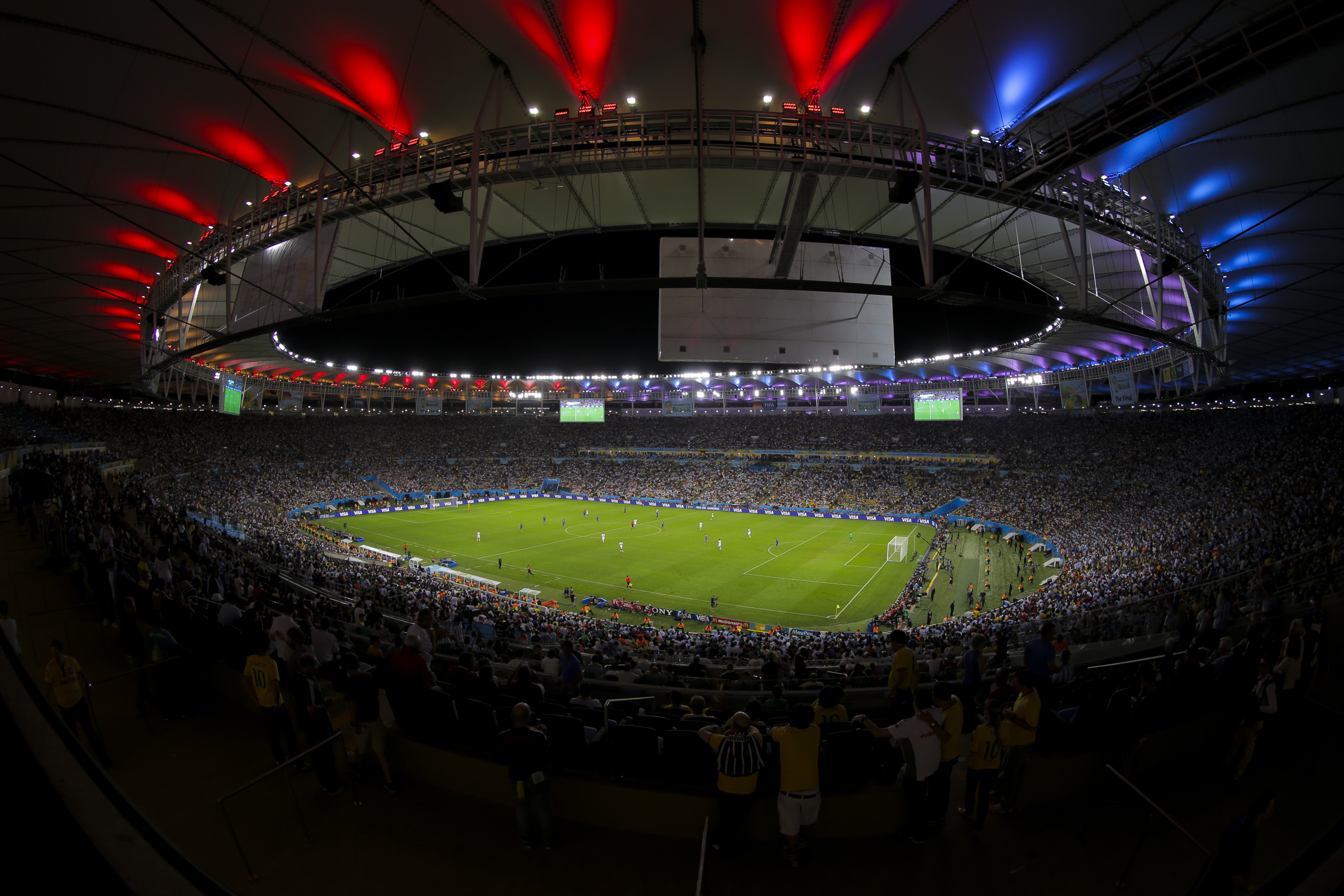
Formula 1 drivers and teams completed the first practice session for the 2026 Belgian Grand Prix on Friday, July 18 [1, 2].
This initial session serves as the critical baseline for the race weekend. Teams use the time to test aerodynamic setups and gather performance data on the challenging Circuit de Spa-Francorchamps, which directly influences their strategies for qualifying and the final race [1, 4].
The FP1 session lasted 60 minutes [3], providing the field with their first flying laps of the weekend. The Ardennes forest circuit is known for its unpredictable weather and high-speed sections, making the data collected during this window vital for car stability, and tire degradation management [1, 2].
Engineers focused on optimizing the cars for the unique demands of the Belgian track. Because the circuit features a mix of long straights and technical corners, the balance between top speed and downforce is a primary concern for every team on the grid [4].
The weekend continues with further practice and qualifying sessions to determine the starting grid. The event will culminate in the main race, which is scheduled to start at 2:00 p.m. BST on Sunday, July 20 [1].
“Teams use the time to test aerodynamic setups and gather performance data”
The first practice session at Spa-Francorchamps is more than a warm-up; it is a technical audit of the 2026 car specifications against one of the most demanding tracks on the calendar. Because the circuit's layout punishes poor aerodynamic efficiency, the data gathered here often reveals which teams have the most competitive chassis before the high-pressure qualifying rounds begin.