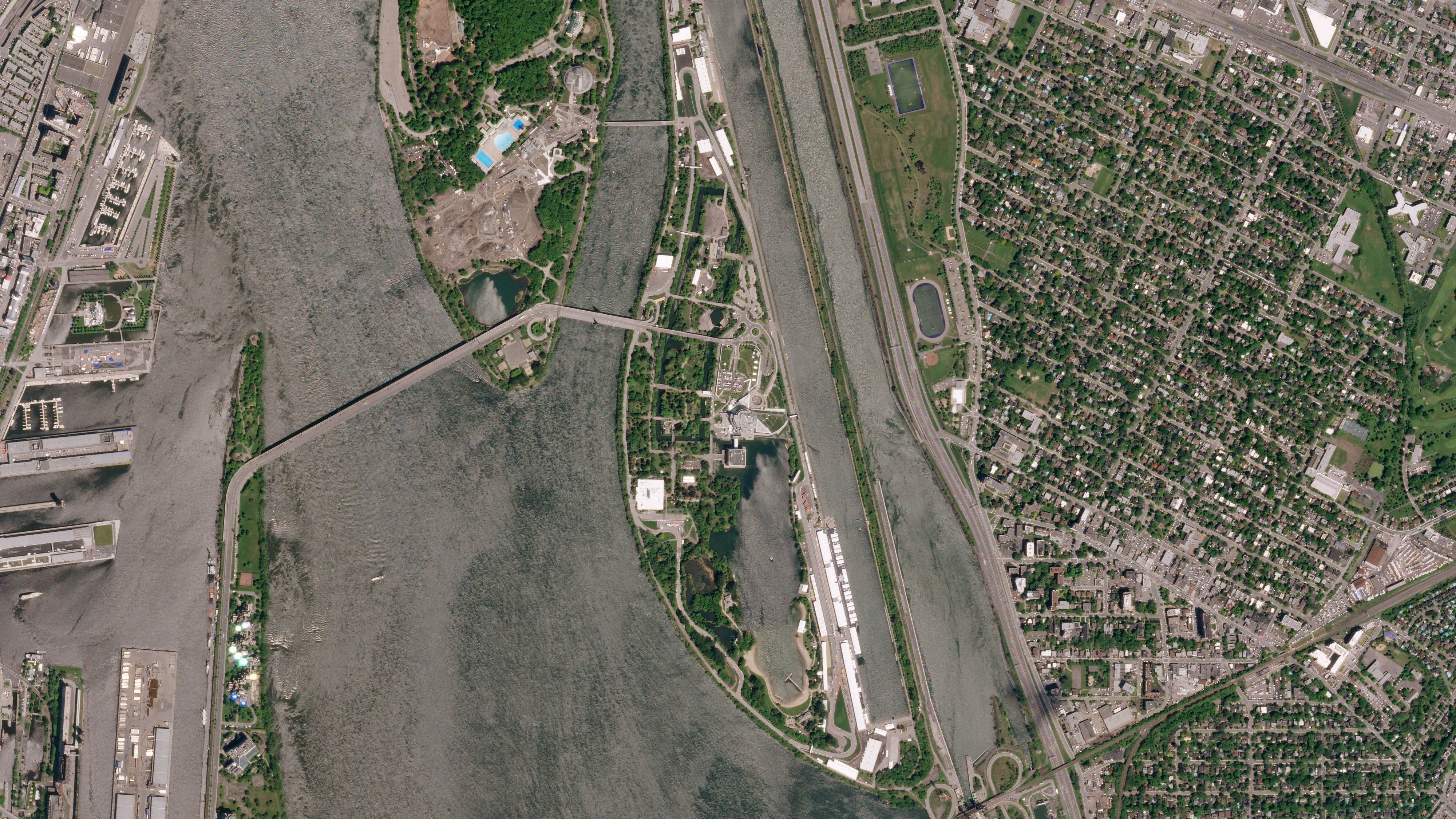
Formula 1 drivers competed in the Canadian Grand Prix at the Circuit Gilles Villeneuve in Montreal on Sunday, May 24, 2026 [1].
The event serves as a critical juncture for the season's championship standings. Because the race is known for its narrow margins and volatile weather, it often forces teams to adapt their strategies in real time to avoid costly errors.
The Circuit Gilles Villeneuve is characterized by its tight walls, which leave little room for driver error during high-speed maneuvers. These physical constraints, combined with the potential for sudden rain or temperature shifts, make the Montreal track one of the more challenging stops on the global calendar.
Participating teams and drivers must balance aggressive pursuit of the lead with the necessity of vehicle preservation. The race day, occurring on May 24, 2026 [1], represents a high-stakes environment where a single collision can shift the trajectory of the entire championship race.
FIA officials and team principals monitor the conditions closely as the cars navigate the technical sections of the track. The intersection of mechanical reliability and driver precision remains the primary focus for those seeking a podium finish in Canada.
While the race is a spectacle for fans, the underlying tension involves the strategic battle between the top constructors. Every lap at this venue tests the aerodynamic efficiency of the cars, and the mental fortitude of the drivers under pressure.
“The race carries championship implications and is known for tight walls and unpredictable weather conditions.”
The Canadian Grand Prix acts as a volatility catalyst in the Formula 1 season. Due to the specific layout of the Montreal circuit and the likelihood of weather disruptions, the race often results in unexpected leaderboard shifts that can neutralize the advantages held by dominant teams.


