
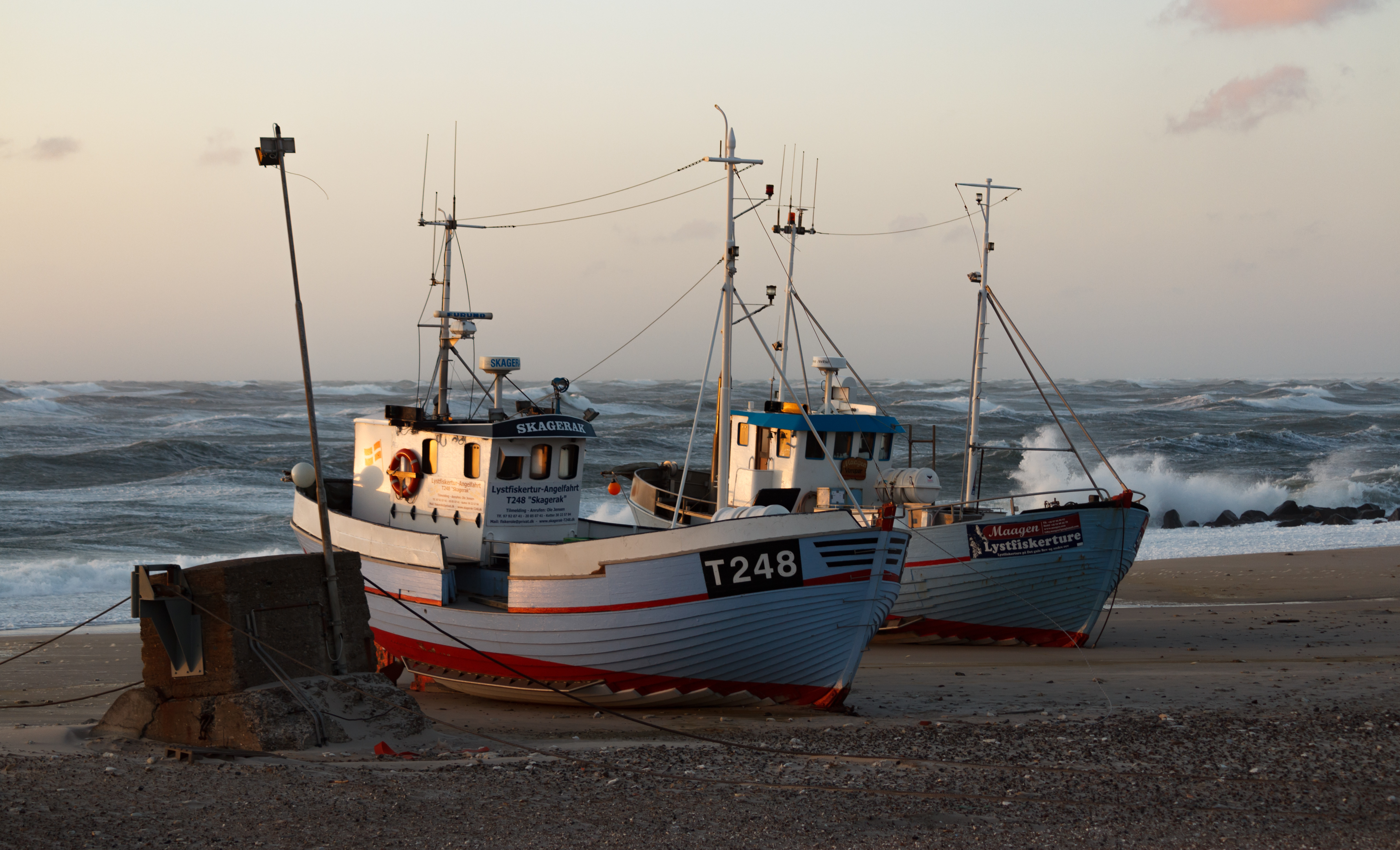
Scientists deployed artificial predator eye models on fishing gear in Danish coastal waters to deter fish-eating seabirds from accessing nets [1, 2].
The study addresses a critical conflict between commercial fishing and wildlife preservation. Seabirds often damage fish caught in nets, which reduces profits for fishermen and increases the risk of accidental bird deaths [1, 2].
Researchers focused on whether visual deterrents could create a lasting barrier between the birds and the catch. By mimicking the gaze of a predator, the team aimed to trigger an instinctive fear response in the seabirds [1, 2].
Initial results showed the strategy was effective. The birds avoided the nets when the fake eyes were first introduced, suggesting that the visual cue of a predator was sufficient to override their hunger [1, 2].
However, the effectiveness of the deterrent diminished over time. The birds eventually learned that the eyes were not attached to a living predator and that no actual threat existed, a process of habituation that rendered the models useless [1, 2].
This outcome suggests that static visual deterrents may only provide short-term solutions. Because seabirds are capable of learning and adapting to their environment, they can distinguish between a realistic threat and a stationary object [1, 2].
“The birds eventually learned that the eyes were not attached to a living predator.”
The failure of the artificial eyes highlights the difficulty of using 'scarecrow' tactics with intelligent wildlife. Because seabirds can adapt to non-threatening stimuli, long-term deterrents likely require dynamic or unpredictable elements to prevent habituation and ensure the safety of both the catch and the birds.


