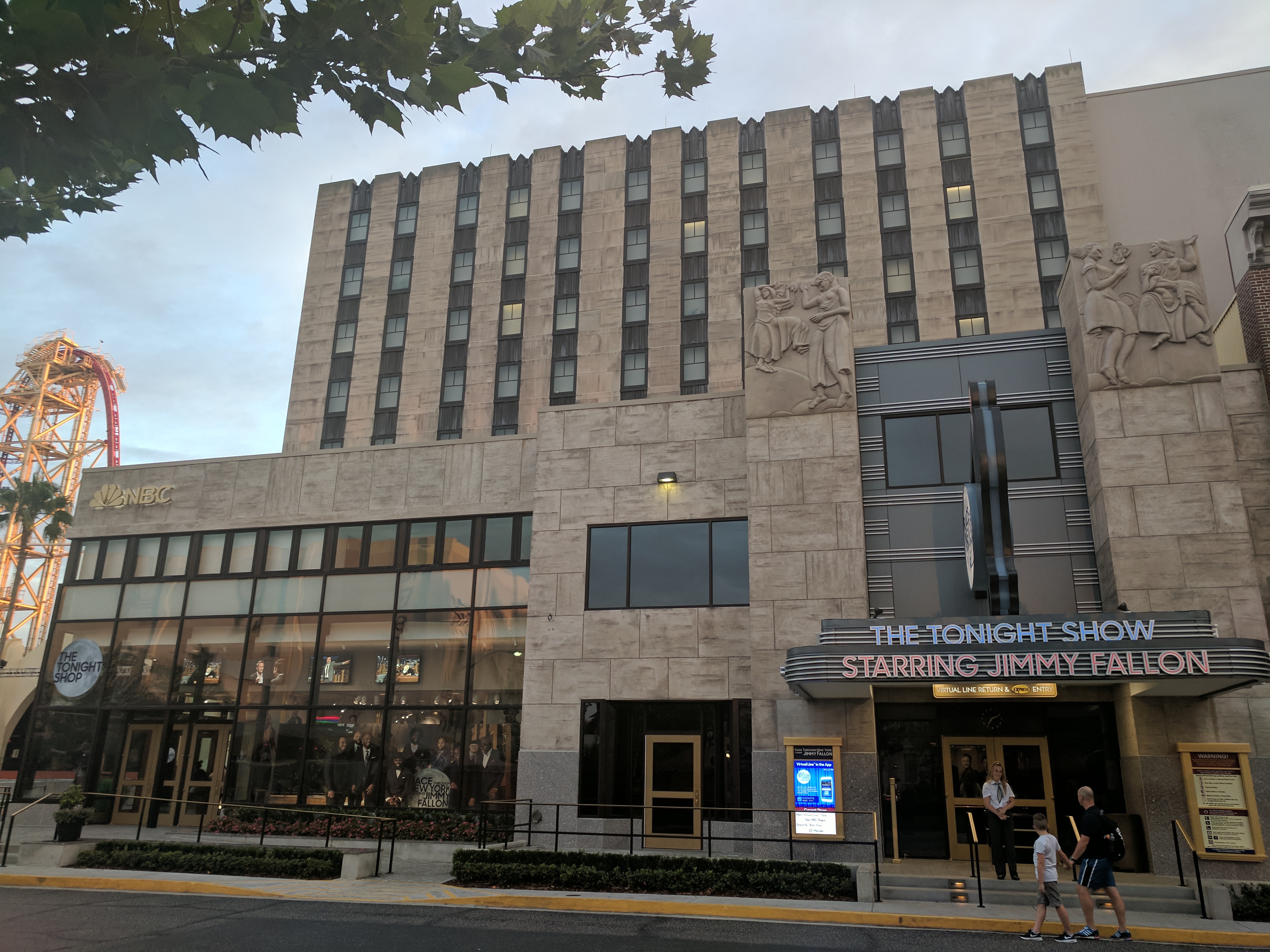
Jimmy Fallon teased President Donald Trump (R-FL) on his show for attempting to revive a personal relationship with North Korean leader Kim Jong Un.
The monologue highlights the intersection of late-night comedy and diplomatic tensions, reflecting public skepticism toward the president's unconventional approach to foreign policy.
During the broadcast on Aug. 20 [1], Fallon mocked the president's public attempts to improve relations with North Korea. He specifically targeted the nature of the rapport between the two leaders, framing the diplomatic outreach as a personal "bromance."
Fallon compared the president's actions to a desperate social interaction. "Man, you know you're depressed when you're texting an old hookup from seven years ago," Fallon said [1].
The joke references the long history of erratic communication between the U.S. and North Korea. By framing the diplomatic effort as a personal longing for a past connection, Fallon suggested the administration's strategy is based more on personal ego than strategic geopolitical gains.
This commentary follows reports regarding the administration's ongoing efforts to establish a new dialogue with Pyongyang [2]. While the White House has sought to rekindle these ties, critics argue that such personal diplomacy lacks the structural rigor of traditional statecraft.
Fallon's monologue is part of a broader trend of late-night hosts using satire to scrutinize the personal dynamics of the president's international relations. The use of the term "bromance" underscores a perception that the president views foreign leaders through the lens of personal loyalty, rather than national interest.
“"Man, you know you're depressed when you're texting an old hookup from seven years ago."”
The satire reflects a domestic perception that US-North Korea relations are driven by the personal whims of the president rather than institutional diplomacy. By reducing high-stakes geopolitics to a social faux pas, the commentary emphasizes a lack of public trust in 'personal chemistry' as a viable substitute for formal diplomatic treaties.

