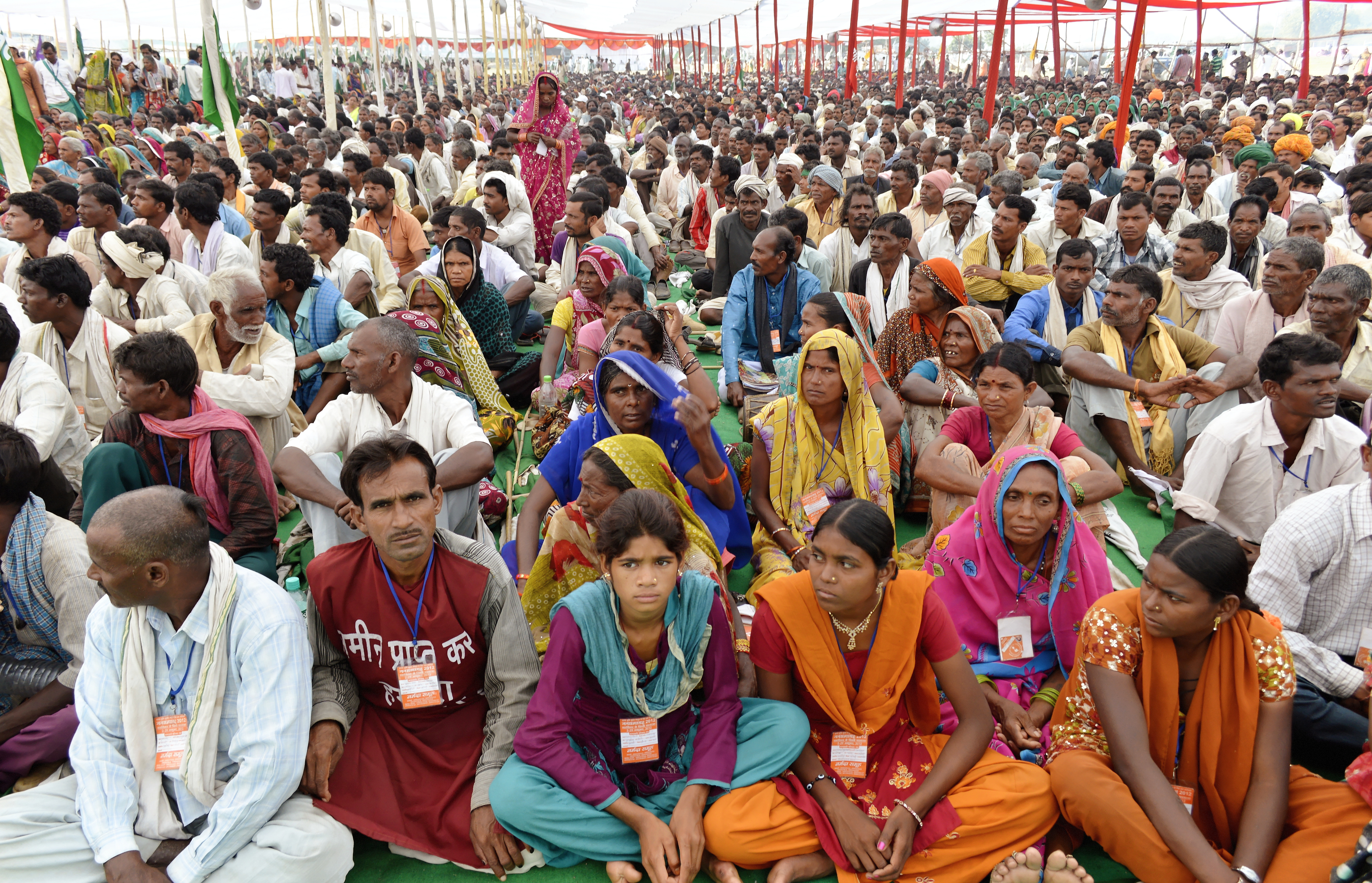
Security forces sealed the Shambhu border on Tuesday, July 21, 2026 [1], halting hundreds of farmers [3] marching toward Delhi to protest a trade deal.
The standoff represents a significant escalation in rural opposition to the proposed India-U.S. Free Trade Agreement. Farmers said the deal would jeopardize their livelihoods by opening domestic markets to foreign competition and altering agricultural protections.
Organized by groups including the Desh Bachao Morcha and Kisan Mazdoor Morcha, the protesters aimed to hold a Mahapanchayat in the capital [1]. The march involved farmers from Punjab, Haryana, and several other states [1]. However, the Haryana-Punjab interstate boundary near Ambala was sealed, and security forces were deployed to block the route to Delhi [1, 2].
This movement follows earlier demonstrations in Punjab on June 24, 2026 [2], where farmer groups first began voicing opposition to the trade terms. The current blockade at Shambhu has created a tense standoff between the protesters and police [2].
Authorities said farmers should not attempt to cross the sealed border as security remains high [2]. The protesters continue to demand that the government abandon the proposed agreement with the U.S. to protect local farming interests [1, 4].
“Security forces sealed the Shambhu border on Tuesday, July 21, 2026”
The blockade at the Shambhu border highlights the recurring tension between India's strategic goal of strengthening economic ties with the U.S. and the political necessity of protecting its massive agricultural workforce. By halting the march, the government is attempting to prevent a large-scale disruption in the capital, but the persistence of groups like the Desh Bachao Morcha suggests that any trade deal involving agricultural concessions will face intense domestic resistance.


