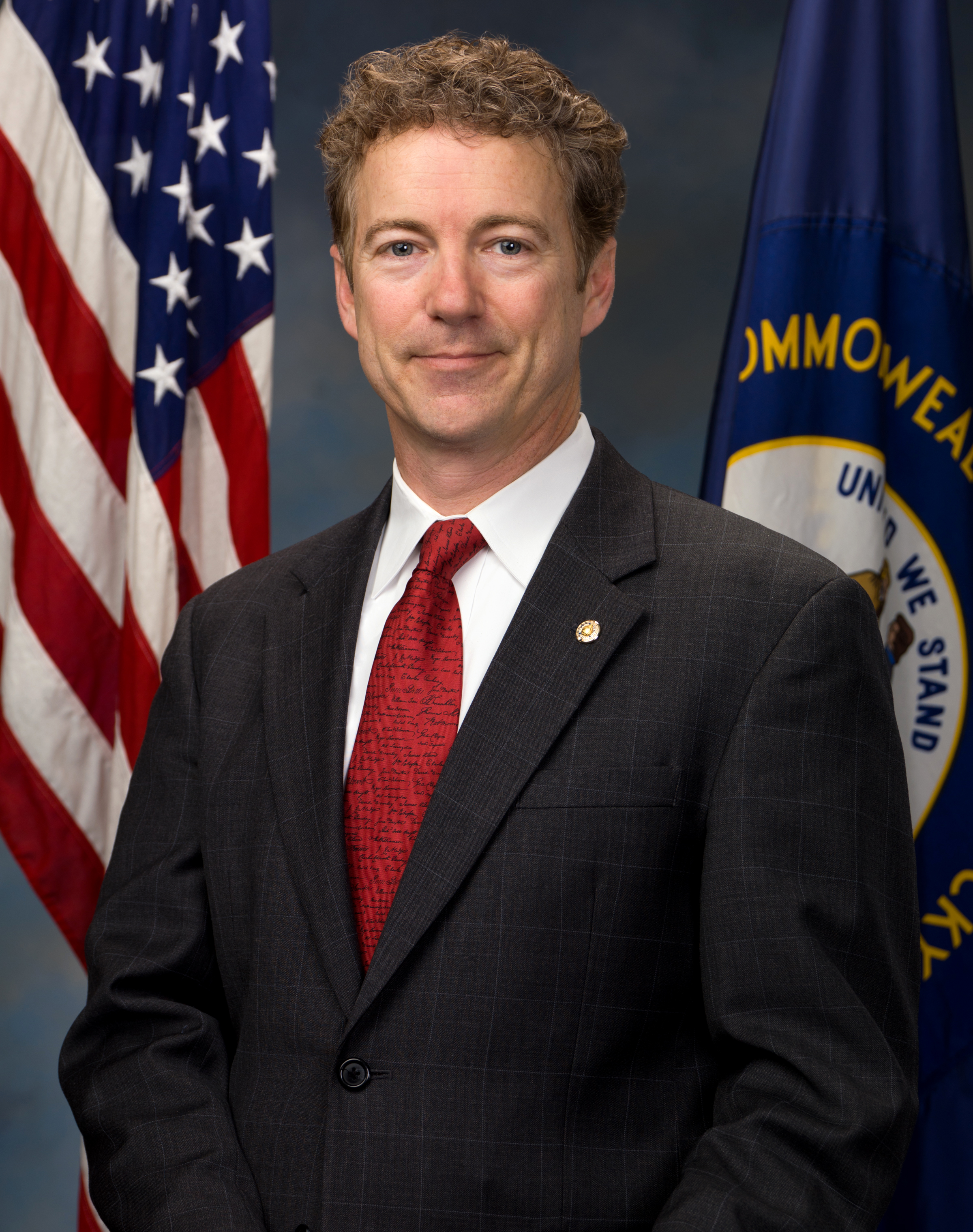
Diary entries from Dr. Anthony Fauci suggest the former public health official was enthralled by the fame he received during the COVID-19 pandemic.
The documents provide a glimpse into the private reflections of a central figure in the U.S. pandemic response. Critics argue these entries show a fixation on personal celebrity that may have influenced public health messaging.
Sen. Rand Paul released the documents on the "America Reports" platform. The release consists of more than 1,000 pages [1] of diary entries written between 2020 and 2022 [2].
Former Rep. Brad Wenstrup said the entries reveal that Fauci was preoccupied with his own fame. The documents detail Fauci's reactions to his public image and his interactions with the administration during the height of the global health crisis.
Reports on the diaries contain conflicting accounts regarding Fauci's views on the origins of the virus. One report said that Fauci purportedly tried to squash the lab-leak theory [3]. Another report said that he did not dismiss the lab-leak theory [4].
Other critics, including RFK Jr., have used the release to suggest that Fauci prioritized television appearances over public health concerns [5]. The diaries were originally made public in July 2026 [2], but they continue to serve as a point of contention for lawmakers seeking to audit the government's pandemic-era decision-making process.
Fauci served as the director of the National Institute of Allergy and Infectious Diseases during the period covered by the diaries. His role made him the most visible face of the U.S. response to the virus, leading to both widespread public reliance and intense political scrutiny.
“Dr. Anthony Fauci was "enthralled" by the fame he received during the COVID-19 pandemic”
The release of these diaries fuels an ongoing political debate over the intersection of scientific expertise and political celebrity. By highlighting a perceived preoccupation with fame, critics aim to undermine the objectivity of the pandemic-era guidance provided by the National Institute of Allergy and Infectious Diseases.


