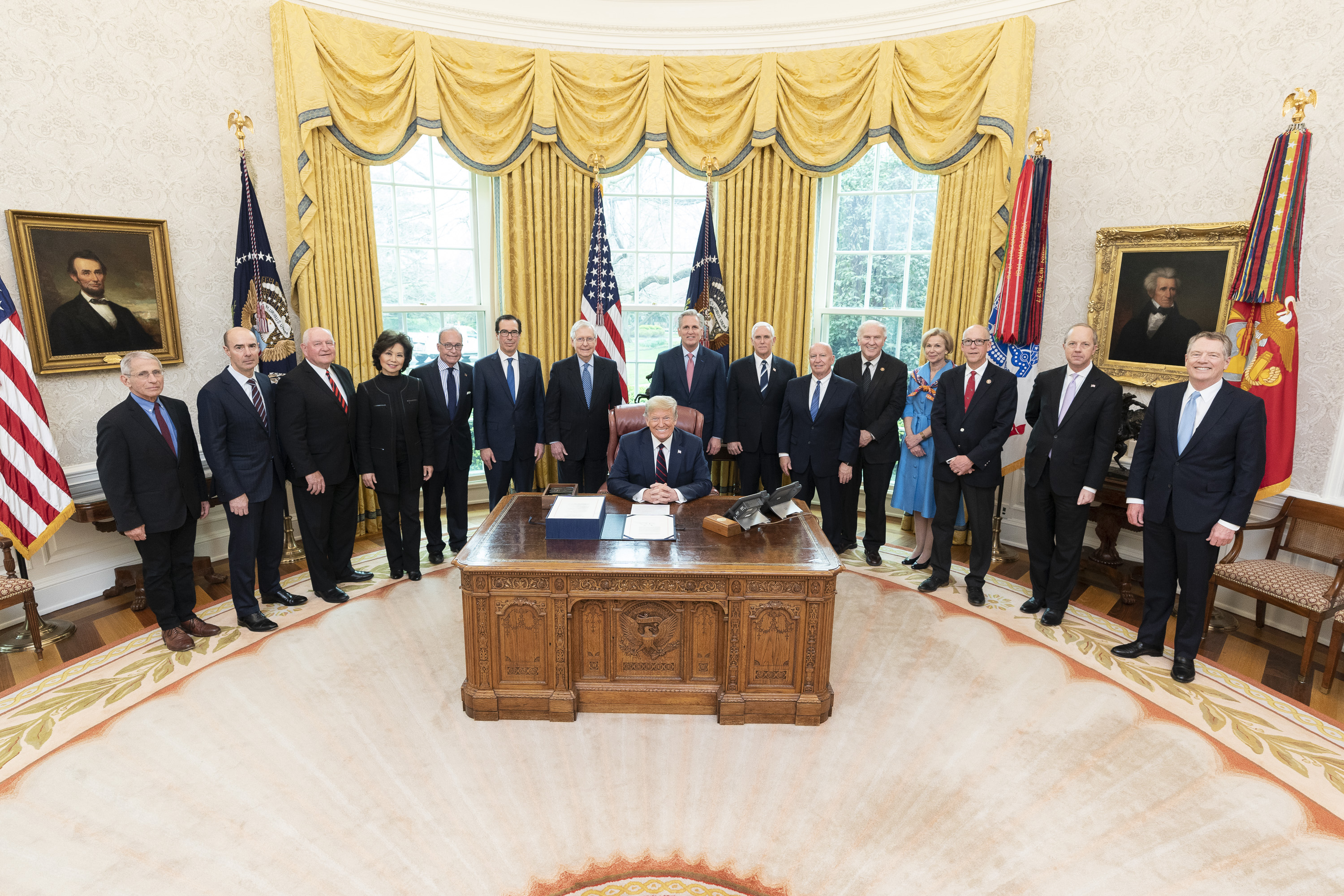
Dr. Anthony Fauci invoked his Fifth Amendment right to refuse to answer more than 100 questions during a U.S. Senate hearing [1].
The event highlights the ongoing political and legal tensions surrounding the origins of the COVID-19 pandemic and the federal funding of related research. The refusal to testify on specific points raises questions about potential legal liabilities for former public health officials.
During the hearing held on June 5, 2024 [2], Republican Senator Josh Hawley questioned Fauci on matters involving the pandemic's start and associated funding decisions. Fauci used the Fifth Amendment to avoid providing answers that could potentially incriminate him [3].
Reports indicate that Fauci invoked the right 111 times throughout the proceedings [1]. Other reports described the frequency as over 100 times [2]. The hearing took place in Washington, D.C., as part of a broader investigation into the pandemic's origins [4].
Senator Hawley continued to press the doctor as the pleas mounted. The focus of the questioning remained on whether specific funding decisions contributed to the emergence of the virus, or if information regarding those decisions was withheld from the public [3].
Fauci's decision to remain silent on these specific queries follows years of debate over the "lab leak" theory and the role of the National Institutes of Health in funding research abroad. The use of the Fifth Amendment in a congressional setting is a rare occurrence for a high-profile witness of his standing [3].
“Fauci invoked his Fifth Amendment right to refuse to answer more than 100 questions”
The decision by a former top health official to invoke the Fifth Amendment more than 100 times suggests a significant legal risk regarding the testimony. This move shifts the discourse from a scientific or administrative inquiry to a legal one, signaling that the witness views the line of questioning as a threat to their legal protections against self-incrimination.


