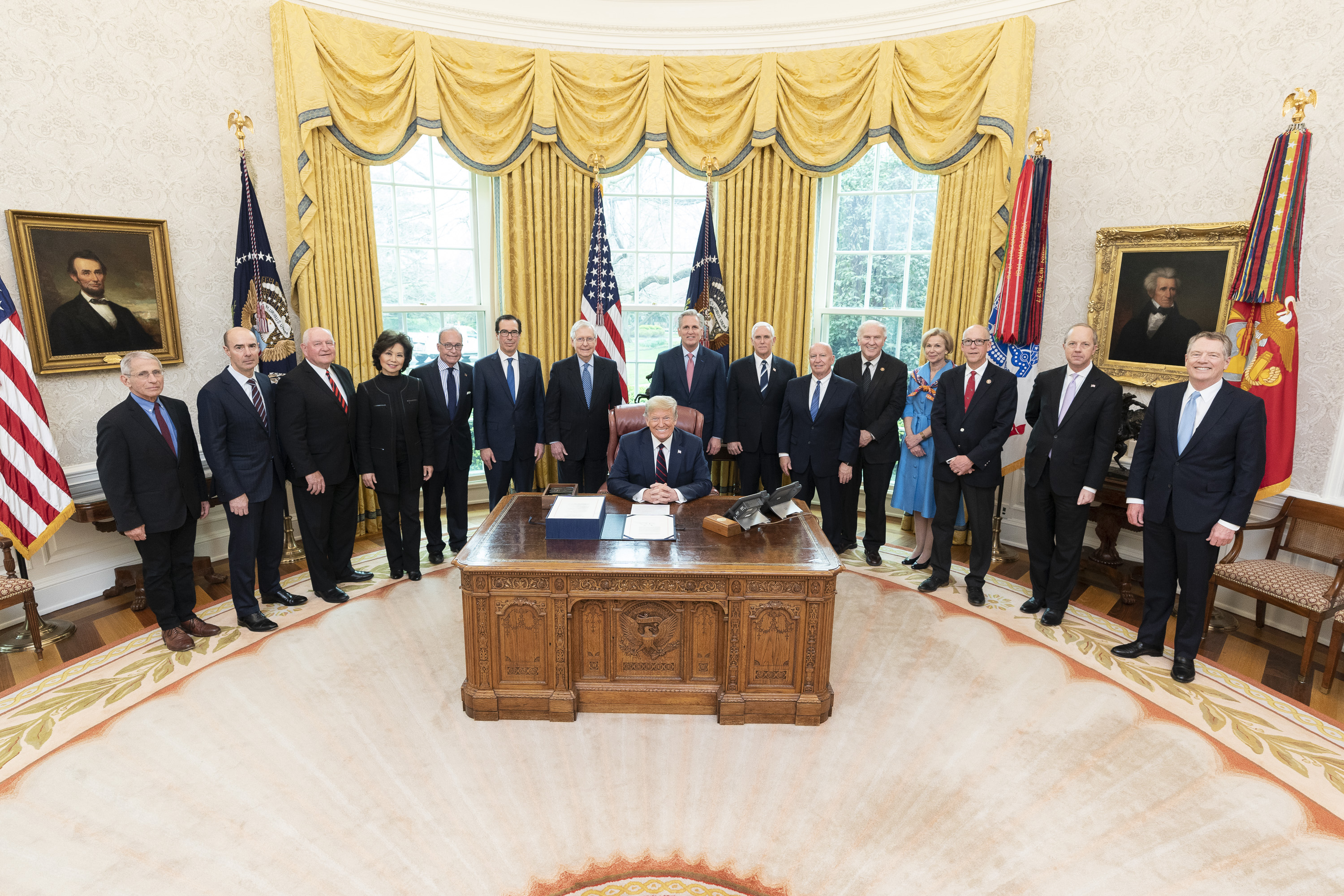
Dr. Anthony Fauci repeatedly invoked his Fifth Amendment right against self-incrimination during a Senate hearing on the origins of the COVID-19 pandemic [1].
The hearing represents a significant escalation in the political conflict over the U.S. response to the pandemic. It highlights the deep divide between legislative investigators and former public health officials regarding the transparency of virus origin research.
Sen. Rand Paul (R-KY) administered the oath to Fauci at the start of the proceedings [1]. The hearing was held before the U.S. Senate Committee on Homeland Security and Governmental Affairs in Washington, D.C. [1]. The committee convened the session to investigate the origins of the virus and to question the role Fauci played in the federal response [1].
During the testimony, Fauci invoked his Fifth Amendment right more than 12 times [2]. The interaction between the senator and the doctor became tense as the questioning continued. At one point, Paul told Fauci's lawyer, "You are not recognized" [3].
Fauci responded to the line of questioning by addressing the nature of the senator's inquiries. "Your unhinged obsession with me is evident in every question you ask," Fauci said [3].
The hearing took place on June 12, 2026 [2]. While the session aimed to uncover specific details regarding the pandemic's start, the repeated use of the Fifth Amendment prevented the committee from securing direct answers to several key questions. Fauci said, "I invoke my Fifth Amendment right against self-incrimination" [1].
This legal maneuver effectively halted the flow of information during the exchange. The clash underscored the difficulty the committee faces in extracting testimony from former officials who may fear legal repercussions, or political fallout, from their statements.
“"I invoke my Fifth Amendment right against self-incrimination."”
The invocation of the Fifth Amendment by a high-profile former public health official in a congressional setting is rare and suggests a high level of legal caution. This development likely ensures that the debate over COVID-19 origins will remain a political and legal battleground rather than being resolved through legislative testimony.


'%2F%3E%0A%20%20%20%20%3Crect%20width%3D'1600'%20height%3D'900'%20fill%3D'url(%23v)'%2F%3E%0A%20%20%20%20%3Cg%20opacity%3D'0.08'%20fill%3D'%23ffffff'%3E%0A%20%20%20%20%20%20%3Ccircle%20cx%3D'1420'%20cy%3D'180'%20r%3D'220'%2F%3E%0A%20%20%20%20%20%20%3Ccircle%20cx%3D'1500'%20cy%3D'760'%20r%3D'120'%2F%3E%0A%20%20%20%20%3C%2Fg%3E%0A%20%20%20%20%3Cline%20x1%3D'80'%20y1%3D'172'%20x2%3D'220'%20y2%3D'172'%20stroke%3D'%23ffffff'%20stroke-width%3D'3'%20stroke-opacity%3D'0.6'%2F%3E%0A%20%20%20%20%3Ctext%20x%3D'80'%20y%3D'140'%20font-family%3D'Inter%2C%20-apple-system%2C%20Helvetica%2C%20sans-serif'%20font-weight%3D'700'%20font-size%3D'28'%20fill%3D'%23ffffff'%20letter-spacing%3D'6'%3EHANNA%20%C2%B7%20NEWS%3C%2Ftext%3E%0A%20%20%20%20%3Ctext%20x%3D'80'%20y%3D'230'%20font-family%3D'Inter%2C%20-apple-system%2C%20Helvetica%2C%20sans-serif'%20font-weight%3D'600'%20font-size%3D'40'%20fill%3D'%23ffffffb3'%20letter-spacing%3D'4'%3EPOLITICS%3C%2Ftext%3E%0A%20%20%20%20%3Ctext%20x%3D'80'%20y%3D'622'%20font-family%3D'Playfair%20Display%2C%20Georgia%2C%20serif'%20font-weight%3D'800'%20font-size%3D'86'%20fill%3D'%23ffffff'%20letter-spacing%3D'-1'%3ESen.%20Rand%20Paul%20Orders%3C%2Ftext%3E%3Ctext%20x%3D'80'%20y%3D'721'%20font-family%3D'Playfair%20Display%2C%20Georgia%2C%20serif'%20font-weight%3D'800'%20font-size%3D'86'%20fill%3D'%23ffffff'%20letter-spacing%3D'-1'%3ERemoval%20of%20Fauci%20Attorney%3C%2Ftext%3E%3Ctext%20x%3D'80'%20y%3D'820'%20font-family%3D'Playfair%20Display%2C%20Georgia%2C%20serif'%20font-weight%3D'800'%20font-size%3D'86'%20fill%3D'%23ffffff'%20letter-spacing%3D'-1'%3EFrom%20US%20Hearing%3C%2Ftext%3E%0A%20%20%20%20%3Ctext%20x%3D'80'%20y%3D'870'%20font-family%3D'Inter%2C%20-apple-system%2C%20Helvetica%2C%20sans-serif'%20font-weight%3D'500'%20font-size%3D'22'%20fill%3D'%23ffffff66'%20letter-spacing%3D'2'%3Enews.hanna-ai.com%3C%2Ftext%3E%0A%20%20%3C%2Fsvg%3E)