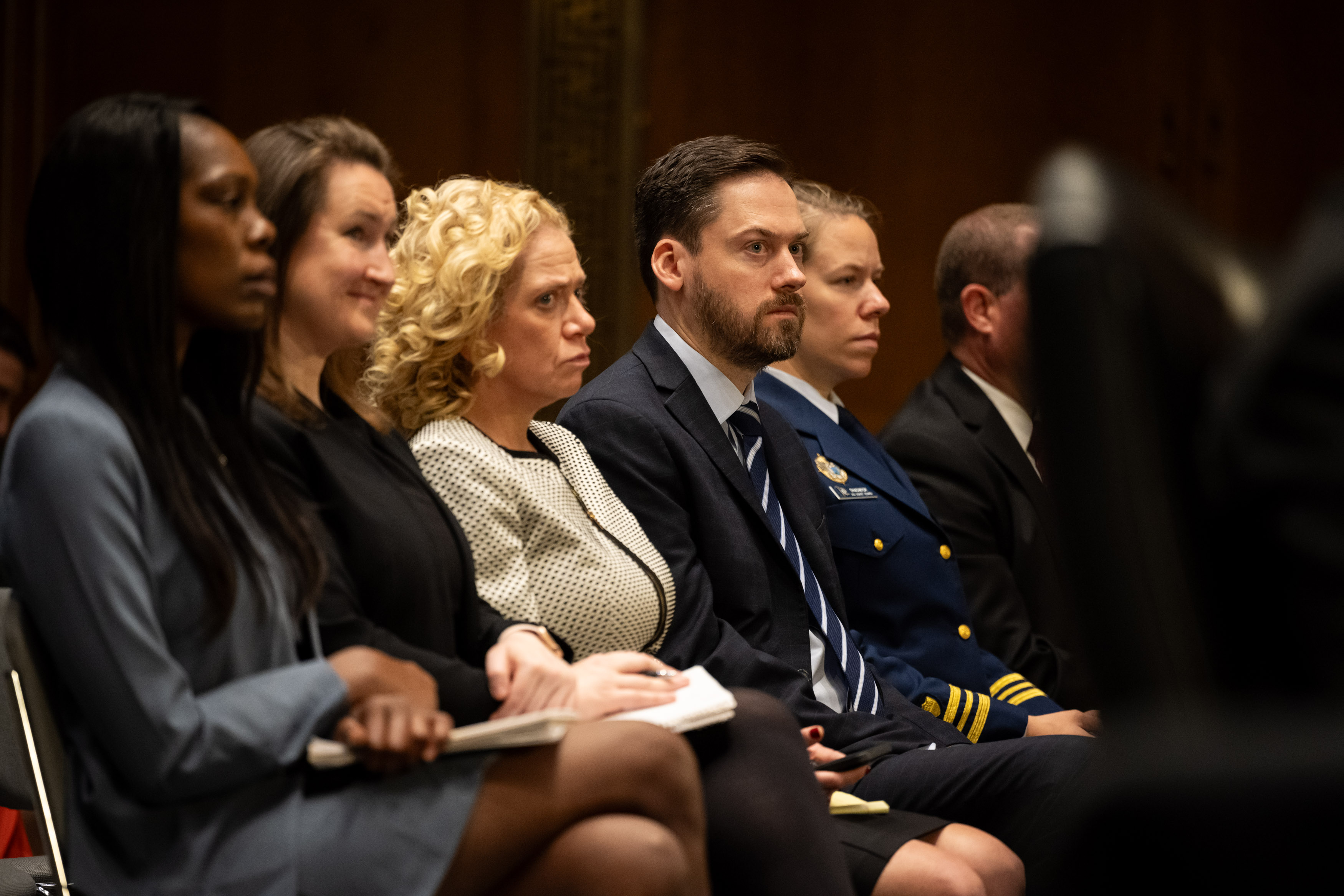
Dr. Anthony Fauci invoked his Fifth Amendment right and declined to answer senators’ questions regarding his handling of the COVID-19 pandemic [1].
The refusal to testify on specific pandemic measures marks a significant escalation in the long-standing conflict between the former public health official and congressional investigators.
Fauci, the former director of the National Institute of Allergy and Infectious Diseases, appeared before the U.S. Senate Homeland Security and Governmental Affairs Committee in Washington, D.C. [1, 2]. During the hearing held July 10, 2023 [2], the physician repeatedly declined to provide testimony on the requested topics.
According to reports, Fauci invoked the Fifth Amendment more than 100 times during the proceedings [3]. Some reports noted the number was nearly 100 [4], though the high frequency of the privilege remained a central point of the hearing.
Fauci said he was acting on the advice of his counsel. "It pains me to do this, but I am acting on the advice of my counsel," Fauci said [1].
The former director also addressed the nature of the questioning and the conduct of the committee. He specifically referenced Sen. Rand Paul (R-Ky.), stating that the senator has an "obvious obsession" [1, 5].
The hearing focused on the federal government's response to the pandemic and the specific decisions made by the NIAID. By invoking the Fifth Amendment, Fauci avoided providing direct answers that could potentially be used in legal proceedings, or further congressional inquiries [1, 2].
“"It pains me to do this, but I am acting on the advice of my counsel."”
The decision by a high-profile former government official to invoke the Fifth Amendment in a congressional setting suggests a high level of legal risk regarding the testimony. It reflects the deep political polarization surrounding the COVID-19 response and indicates that the legal strategies of the witnesses now outweigh the political desire for public transparency in these hearings.

