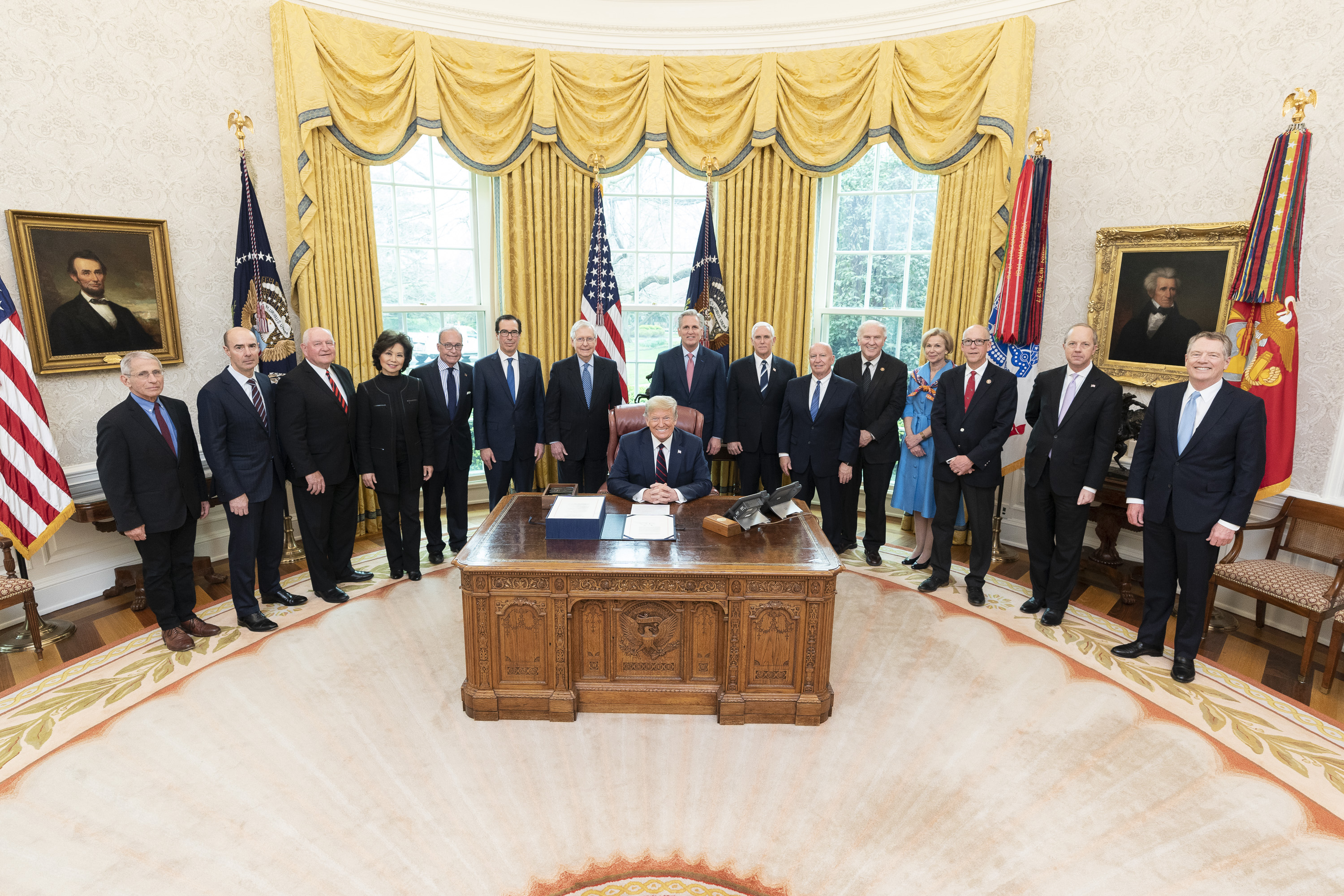
Dr. Anthony Fauci invoked his Fifth Amendment right to avoid answering questions from Senator Rand Paul (R-KY) during a Senate hearing.
The refusal marks a significant escalation in the long-standing tension between the former public health official and congressional investigators. By declining to testify on specific points, Fauci signaled that he views the legislative inquiry as a potential precursor to legal action.
The incident occurred on July 10, 2026 [1], during a session of the Senate Homeland Security and Governmental Affairs Committee at the U.S. Capitol in Washington, D.C. [1]. Fauci declined to answer any of the questions posed by Senator Paul concerning the origins of COVID-19, and the federal government's response to the pandemic [1].
Fauci said the decision was based on the belief that the line of questioning was designed to create a legal basis for prosecution. "I am invoking my Fifth Amendment right and will not answer any questions that could be used to build a criminal case against me," Fauci said [1].
The exchange became a point of contention as Fauci addressed the nature of the Senator's inquiries. He said that Senator Paul has an obsession with trying to build a criminal case against him [2].
According to reports, the atmosphere in the room shifted as the legal invocation was made. The chamber erupted in laughter as Dr. Fauci invoked the Fifth [2]. This reaction followed the abrupt shutdown of the questioning process, a move that left several of the Senator's queries unanswered.
Fauci's decision to remain silent on these specific topics follows years of scrutiny regarding the National Institute of Allergy and Infectious Diseases and its role in pandemic research. The hearing was intended to provide oversight into the federal response, but the use of constitutional protections limited the committee's ability to extract direct testimony from the former director [1].
“"I am invoking my Fifth Amendment right and will not answer any questions that could be used to build a criminal case against me."”
The invocation of the Fifth Amendment by a high-ranking former government official during a congressional hearing is a rare occurrence that suggests a deep lack of trust between the executive and legislative branches. While the Fifth Amendment protects individuals from self-incrimination, its use in a public oversight hearing often fuels political narratives regarding transparency and accountability. This move effectively halts the committee's ability to use this specific testimony to establish a factual record for potential criminal referrals.
'%2F%3E%0A%20%20%20%20%3Crect%20width%3D'1600'%20height%3D'900'%20fill%3D'url(%23v)'%2F%3E%0A%20%20%20%20%3Cg%20opacity%3D'0.08'%20fill%3D'%23ffffff'%3E%0A%20%20%20%20%20%20%3Ccircle%20cx%3D'1420'%20cy%3D'180'%20r%3D'220'%2F%3E%0A%20%20%20%20%20%20%3Ccircle%20cx%3D'1500'%20cy%3D'760'%20r%3D'120'%2F%3E%0A%20%20%20%20%3C%2Fg%3E%0A%20%20%20%20%3Cline%20x1%3D'80'%20y1%3D'172'%20x2%3D'220'%20y2%3D'172'%20stroke%3D'%23ffffff'%20stroke-width%3D'3'%20stroke-opacity%3D'0.6'%2F%3E%0A%20%20%20%20%3Ctext%20x%3D'80'%20y%3D'140'%20font-family%3D'Inter%2C%20-apple-system%2C%20Helvetica%2C%20sans-serif'%20font-weight%3D'700'%20font-size%3D'28'%20fill%3D'%23ffffff'%20letter-spacing%3D'6'%3EHANNA%20%C2%B7%20NEWS%3C%2Ftext%3E%0A%20%20%20%20%3Ctext%20x%3D'80'%20y%3D'230'%20font-family%3D'Inter%2C%20-apple-system%2C%20Helvetica%2C%20sans-serif'%20font-weight%3D'600'%20font-size%3D'40'%20fill%3D'%23ffffffb3'%20letter-spacing%3D'4'%3EWORLD%3C%2Ftext%3E%0A%20%20%20%20%3Ctext%20x%3D'80'%20y%3D'571'%20font-family%3D'Playfair%20Display%2C%20Georgia%2C%20serif'%20font-weight%3D'800'%20font-size%3D'72'%20fill%3D'%23ffffff'%20letter-spacing%3D'-1'%3ERepublicanos%20Does%20Not%3C%2Ftext%3E%3Ctext%20x%3D'80'%20y%3D'654'%20font-family%3D'Playfair%20Display%2C%20Georgia%2C%20serif'%20font-weight%3D'800'%20font-size%3D'72'%20fill%3D'%23ffffff'%20letter-spacing%3D'-1'%3EConfirm%20Cleitinho%20Azevedo%3C%2Ftext%3E%3Ctext%20x%3D'80'%20y%3D'737'%20font-family%3D'Playfair%20Display%2C%20Georgia%2C%20serif'%20font-weight%3D'800'%20font-size%3D'72'%20fill%3D'%23ffffff'%20letter-spacing%3D'-1'%3Efor%20Minas%20Gerais%3C%2Ftext%3E%3Ctext%20x%3D'80'%20y%3D'820'%20font-family%3D'Playfair%20Display%2C%20Georgia%2C%20serif'%20font-weight%3D'800'%20font-size%3D'72'%20fill%3D'%23ffffff'%20letter-spacing%3D'-1'%3EGovernorship%3C%2Ftext%3E%0A%20%20%20%20%3Ctext%20x%3D'80'%20y%3D'870'%20font-family%3D'Inter%2C%20-apple-system%2C%20Helvetica%2C%20sans-serif'%20font-weight%3D'500'%20font-size%3D'22'%20fill%3D'%23ffffff66'%20letter-spacing%3D'2'%3Enews.hanna-ai.com%3C%2Ftext%3E%0A%20%20%3C%2Fsvg%3E)

