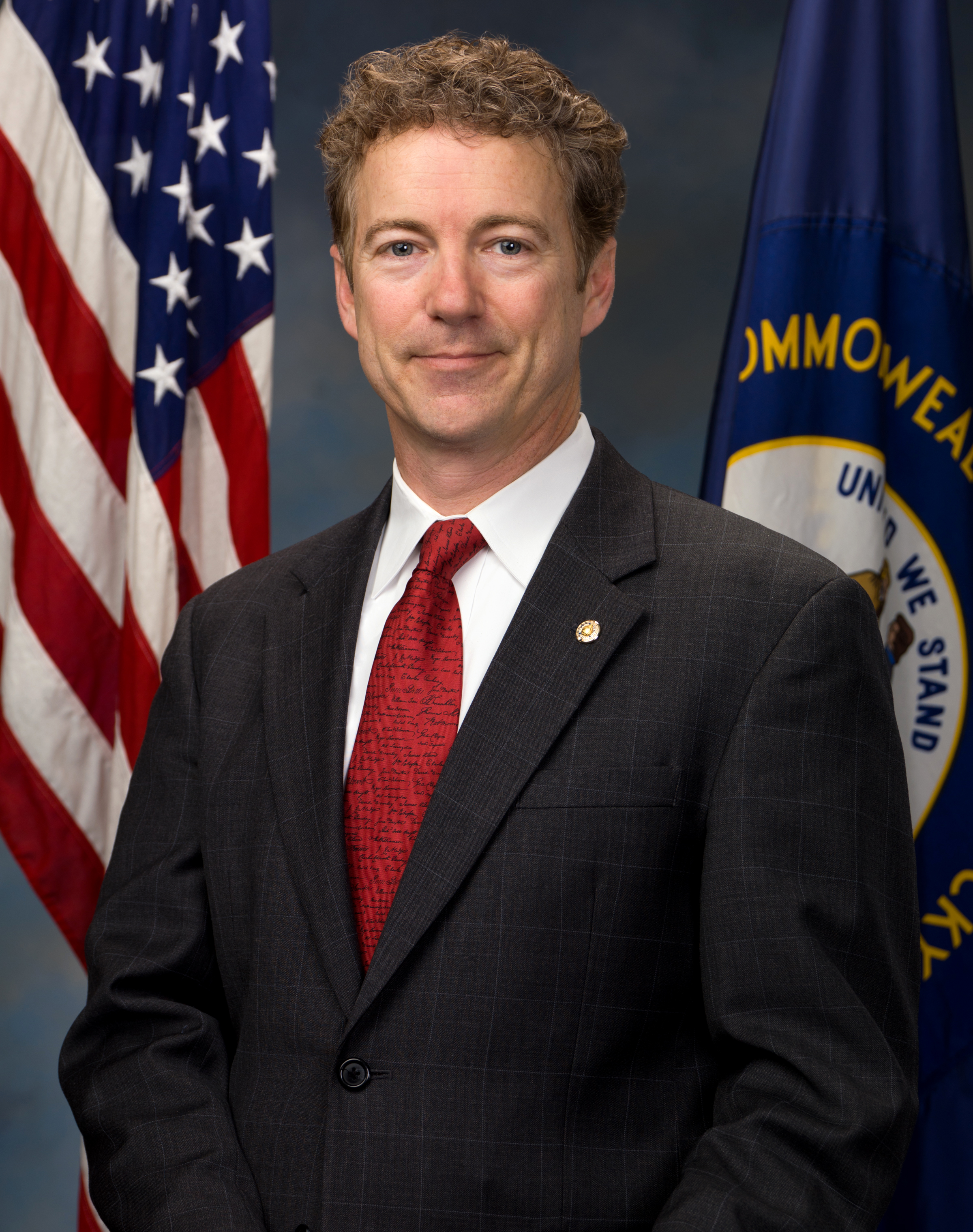
Dr. Anthony Fauci invoked his Fifth Amendment right and declined to answer questions during a Senate hearing on Wednesday, July 29, 2026 [1].
The refusal to testify marks a significant escalation in the political conflict over the origins of the COVID-19 virus and the federal government's pandemic-era decision-making. The hearing, held by the U.S. Senate Committee on Homeland Security and Governmental Affairs in Washington, D.C., sought to establish accountability for alleged misinformation [1, 2].
Sen. Rand Paul (R-Ky.) led the questioning, focusing on the origins of the coronavirus and the specifics of the public health response [1, 2]. During the proceedings, Paul released more than 1,000 pages of Dr. Fauci's pandemic-era diary [3].
Fauci, the former director of the National Institute of Allergy and Infectious Diseases, did not provide answers to the senators' inquiries. He was accompanied by approximately six lawyers who sat in the audience [4].
Fauci criticized the nature of the questioning, describing what he called an "obvious obsession with calling for my prosecution" [5].
Paul responded to the silence by calling in security. "This is the way Anthony Fauci wants to be remembered," Paul said [6].
The confrontation centered on whether the former health official provided accurate information to the public, and Congress, during the height of the global health crisis [1, 2].
“"This is the way Anthony Fauci wants to be remembered,"”
The invocation of the Fifth Amendment by a high-profile former public health official during a congressional hearing creates a legal and political impasse. By refusing to testify, Fauci avoids potential self-incrimination but fuels legislative arguments that the executive branch obstructed transparency regarding the pandemic's origins. This move likely ensures that the debate over COVID-19 origins will remain a polarized political issue rather than a resolved scientific one.


