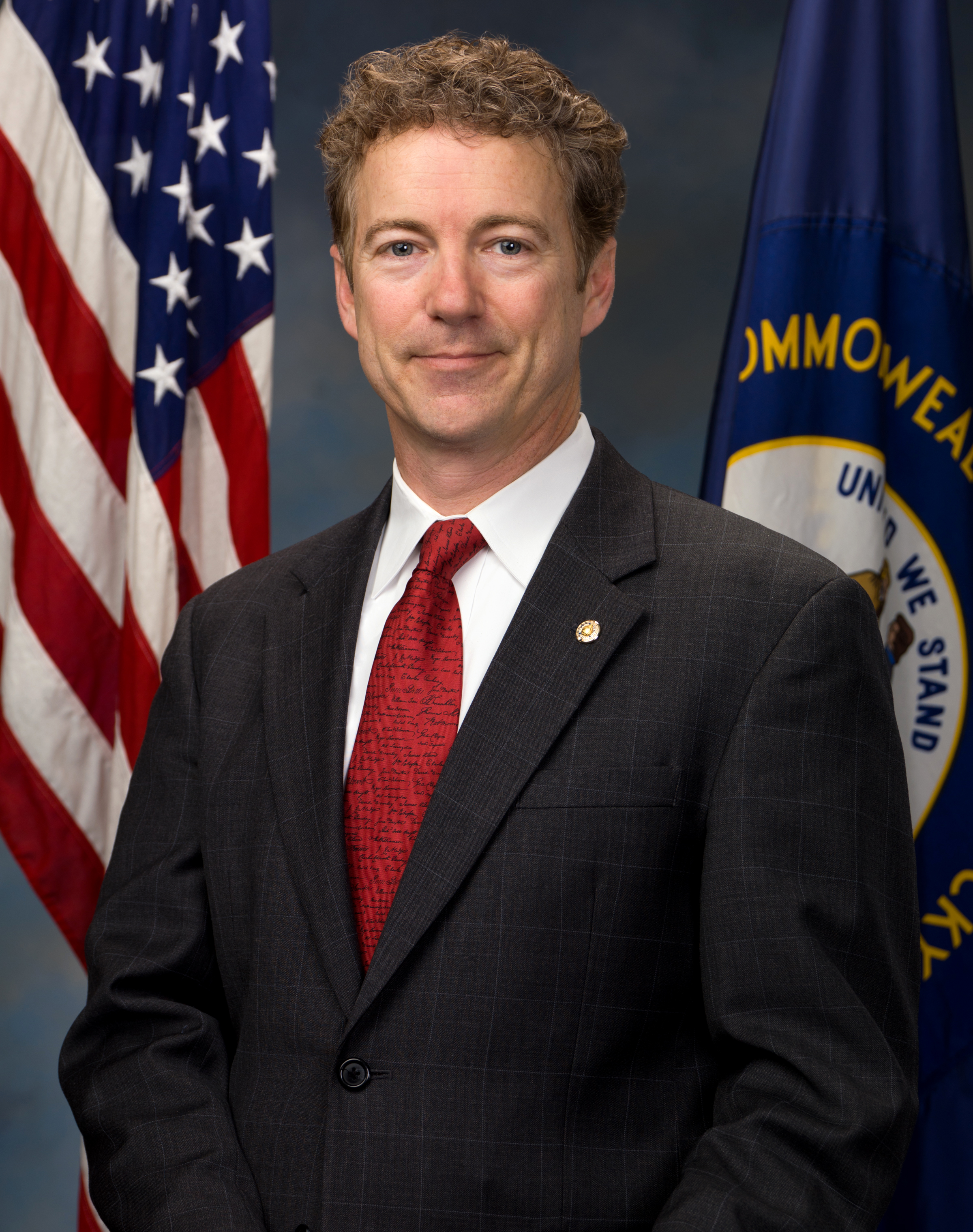
Dr. Anthony Fauci invoked his Fifth Amendment right and refused to answer questions about COVID-19 origins during a Senate hearing.
The refusal marks a significant escalation in the long-standing conflict between the former public health official and lawmakers over the transparency of pandemic origins. This clash highlights the ongoing political and scientific tension surrounding the investigation into how the virus first emerged.
The confrontation occurred during a hearing before the U.S. Senate Homeland Security and Governmental Affairs Committee in Washington, D.C. [1, 2]. Sen. Rand Paul (R-Ky.) pressed Fauci on the origins of the pandemic and alleged gain-of-function research [1, 2].
Fauci declined to provide answers to the specific inquiries. "I am not going to answer that question," Fauci said [1].
Senator Paul reacted with anger to the refusal. He described the former official as "unhinged" during the proceedings [1]. This reaction followed earlier predictions from the senator that Fauci would not be truthful regarding the origins of the virus.
"He will lie in his testimony about COVID-19 origins," Paul said [3].
Fauci invoked the Fifth Amendment to avoid providing testimony that could potentially be self-incriminating [1, 2]. The hearing focused on whether U.S.-funded research contributed to the start of the pandemic, a point of contention that has fueled multiple congressional inquiries.
“"I am not going to answer that question."”
The decision by a high-ranking former health official to plead the Fifth during a congressional hearing is rare and typically signals a high level of legal risk. By refusing to testify on gain-of-function research, Fauci has provided political ammunition to critics who argue that the U.S. government has been insufficiently transparent about the origins of COVID-19, likely ensuring that this issue remains a central point of legislative friction.


'%2F%3E%0A%20%20%20%20%3Crect%20width%3D'1600'%20height%3D'900'%20fill%3D'url(%23v)'%2F%3E%0A%20%20%20%20%3Cg%20opacity%3D'0.08'%20fill%3D'%23ffffff'%3E%0A%20%20%20%20%20%20%3Ccircle%20cx%3D'1420'%20cy%3D'180'%20r%3D'220'%2F%3E%0A%20%20%20%20%20%20%3Ccircle%20cx%3D'1500'%20cy%3D'760'%20r%3D'120'%2F%3E%0A%20%20%20%20%3C%2Fg%3E%0A%20%20%20%20%3Cline%20x1%3D'80'%20y1%3D'172'%20x2%3D'220'%20y2%3D'172'%20stroke%3D'%23ffffff'%20stroke-width%3D'3'%20stroke-opacity%3D'0.6'%2F%3E%0A%20%20%20%20%3Ctext%20x%3D'80'%20y%3D'140'%20font-family%3D'Inter%2C%20-apple-system%2C%20Helvetica%2C%20sans-serif'%20font-weight%3D'700'%20font-size%3D'28'%20fill%3D'%23ffffff'%20letter-spacing%3D'6'%3EHANNA%20%C2%B7%20NEWS%3C%2Ftext%3E%0A%20%20%20%20%3Ctext%20x%3D'80'%20y%3D'230'%20font-family%3D'Inter%2C%20-apple-system%2C%20Helvetica%2C%20sans-serif'%20font-weight%3D'600'%20font-size%3D'40'%20fill%3D'%23ffffffb3'%20letter-spacing%3D'4'%3EPOLITICS%3C%2Ftext%3E%0A%20%20%20%20%3Ctext%20x%3D'80'%20y%3D'622'%20font-family%3D'Playfair%20Display%2C%20Georgia%2C%20serif'%20font-weight%3D'800'%20font-size%3D'86'%20fill%3D'%23ffffff'%20letter-spacing%3D'-1'%3ESen.%20Rand%20Paul%20Orders%3C%2Ftext%3E%3Ctext%20x%3D'80'%20y%3D'721'%20font-family%3D'Playfair%20Display%2C%20Georgia%2C%20serif'%20font-weight%3D'800'%20font-size%3D'86'%20fill%3D'%23ffffff'%20letter-spacing%3D'-1'%3ERemoval%20of%20Fauci%20Attorney%3C%2Ftext%3E%3Ctext%20x%3D'80'%20y%3D'820'%20font-family%3D'Playfair%20Display%2C%20Georgia%2C%20serif'%20font-weight%3D'800'%20font-size%3D'86'%20fill%3D'%23ffffff'%20letter-spacing%3D'-1'%3EFrom%20US%20Hearing%3C%2Ftext%3E%0A%20%20%20%20%3Ctext%20x%3D'80'%20y%3D'870'%20font-family%3D'Inter%2C%20-apple-system%2C%20Helvetica%2C%20sans-serif'%20font-weight%3D'500'%20font-size%3D'22'%20fill%3D'%23ffffff66'%20letter-spacing%3D'2'%3Enews.hanna-ai.com%3C%2Ftext%3E%0A%20%20%3C%2Fsvg%3E)