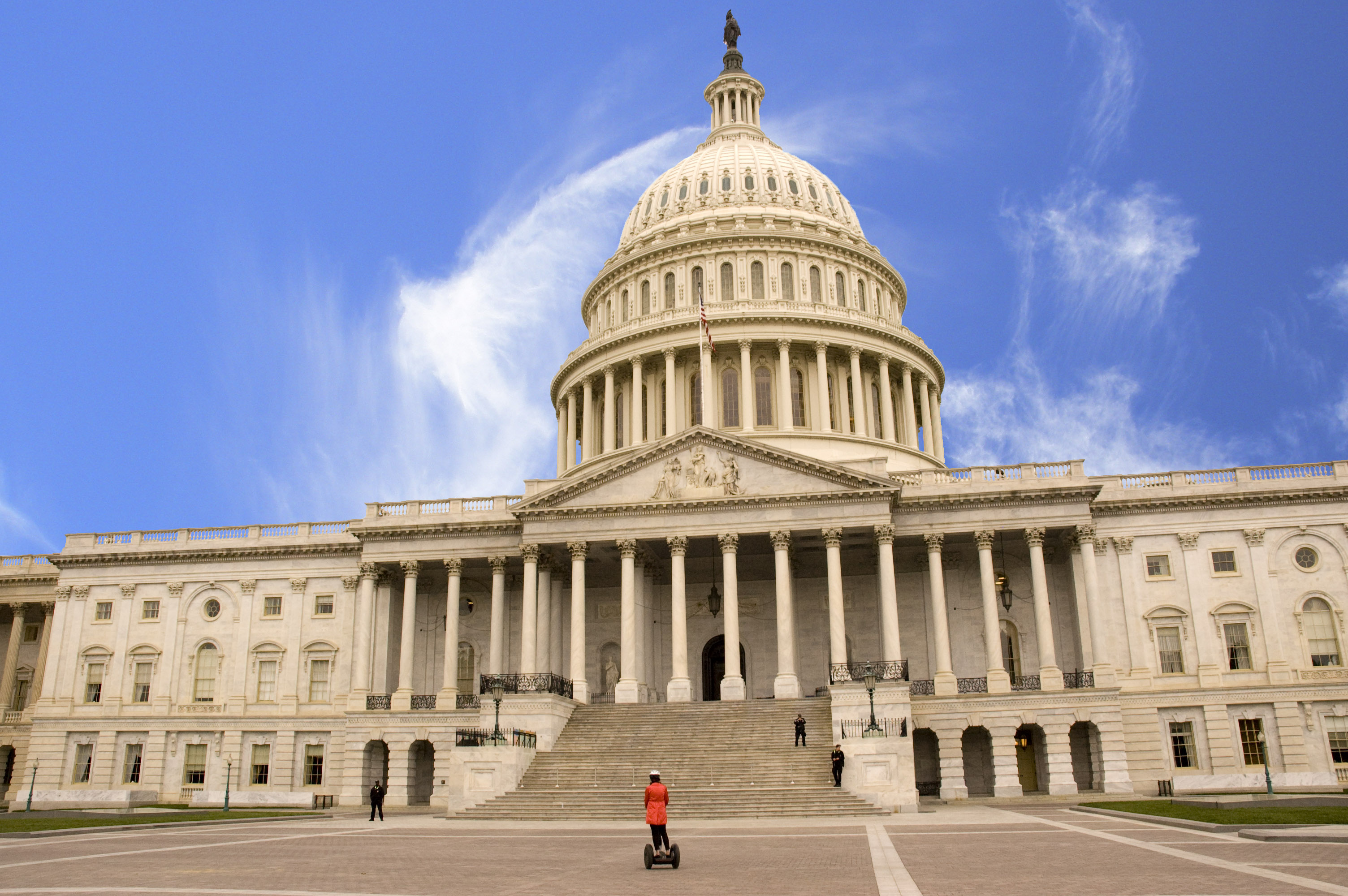
Dr. Anthony Fauci appeared before the Senate Homeland Security and Governmental Affairs Committee on Wednesday to testify about his private COVID-era diaries [1].
The hearing marks a significant escalation in the effort to determine if public health officials were transparent about the origins of the pandemic. Lawmakers are scrutinizing whether private records contradict public statements made during the height of the global health crisis.
Sen. Rand Paul (R-Ky.), who chairs the committee, led the questioning during the proceedings on Capitol Hill [1, 2]. Paul said that Fauci deceived the American public regarding how COVID-19 began. The senator intends to use the doctor's personal journals to identify discrepancies between internal thoughts and official testimonies [1, 3].
The documents under review consist of diary entries spanning from December 2019 to December 2022 [1]. This timeframe covers the initial emergence of the virus and the subsequent years of vaccine rollout and public health mandates. The committee is focusing on entries from the earliest stages of the outbreak to see if the lab-leak theory was dismissed prematurely in public while being considered privately [3, 4].
Fauci, who served as the top infectious-disease adviser to the U.S. President, has faced years of scrutiny regarding the National Institutes of Health and research in Wuhan, China. This hearing specifically targets the authenticity of his communications during the period between December 2019 and December 2022 [1].
The session is part of a broader investigation into government transparency and the handling of the pandemic. Lawmakers are examining if the diary entries provide a roadmap of what the administration knew and when they knew it [3].
“Lawmakers are scrutinizing whether private records contradict public statements.”
This hearing represents a shift from questioning scientific conclusions to examining the personal records of a public official. By focusing on a private diary, the committee is attempting to establish a timeline of intent and honesty, which could have legal or political ramifications regarding the official record of the pandemic's origin.


