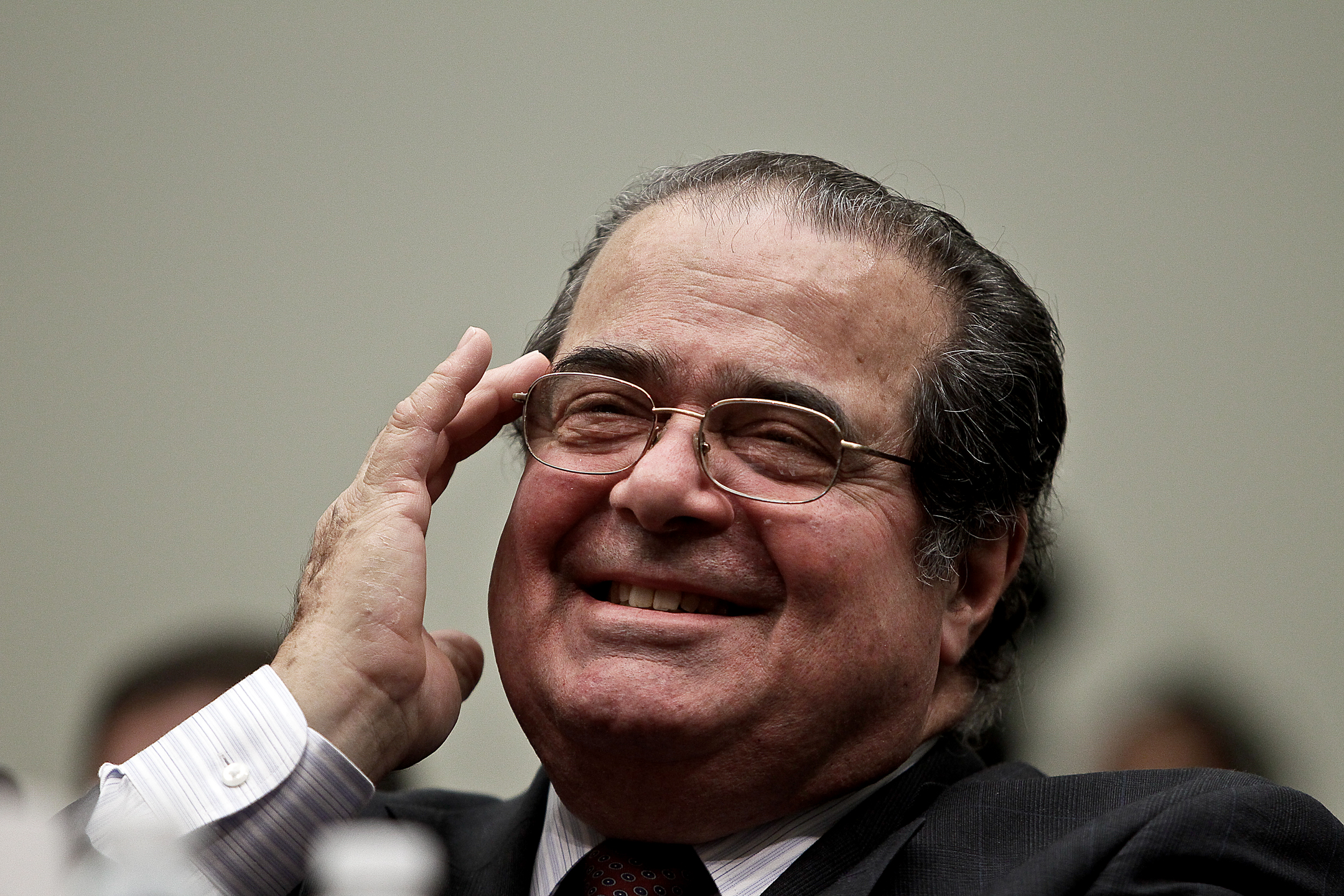
Dr. Marty Makary has resigned from his position as Commissioner of the U.S. Food and Drug Administration.
The departure of the agency's head raises questions about the independence of federal health regulators when faced with direct pressure from the White House.
Makary served in the role for approximately 13 months [1]. His resignation follows reports that President Donald Trump pressured him to approve flavored vaping products [2, 3]. These reports suggest a conflict between the administration's goals and the agency's regulatory standards regarding nicotine products.
Other accounts of the departure indicate that the resignation followed a period of mounting complaints, including those from allies of the president [3]. The tension within the agency reflects a broader struggle over the FDA's approach to public health and product authorization.
President Donald Trump addressed the vacancy in a statement. "He’s a great doctor, and he was having some difficulty," Trump said [4].
The FDA is responsible for protecting public health by ensuring the safety and efficacy of drugs, biological products, and medical devices. The sudden exit of a commissioner after just over a year in office marks a period of instability for the agency's leadership. The specific pressure regarding flavored vapes is particularly sensitive, as these products have been central to public health debates concerning youth nicotine addiction.
“Dr. Marty Makary has resigned from his position as Commissioner of the U.S. Food and Drug Administration.”
The resignation of Dr. Makary highlights the tension between political objectives and scientific regulation. If a commissioner is removed or pressured to bypass standard safety protocols for flavored vapes, it may signal a shift in the FDA's regulatory posture toward the tobacco and vaping industry, potentially prioritizing market access over restrictive public health guidelines.