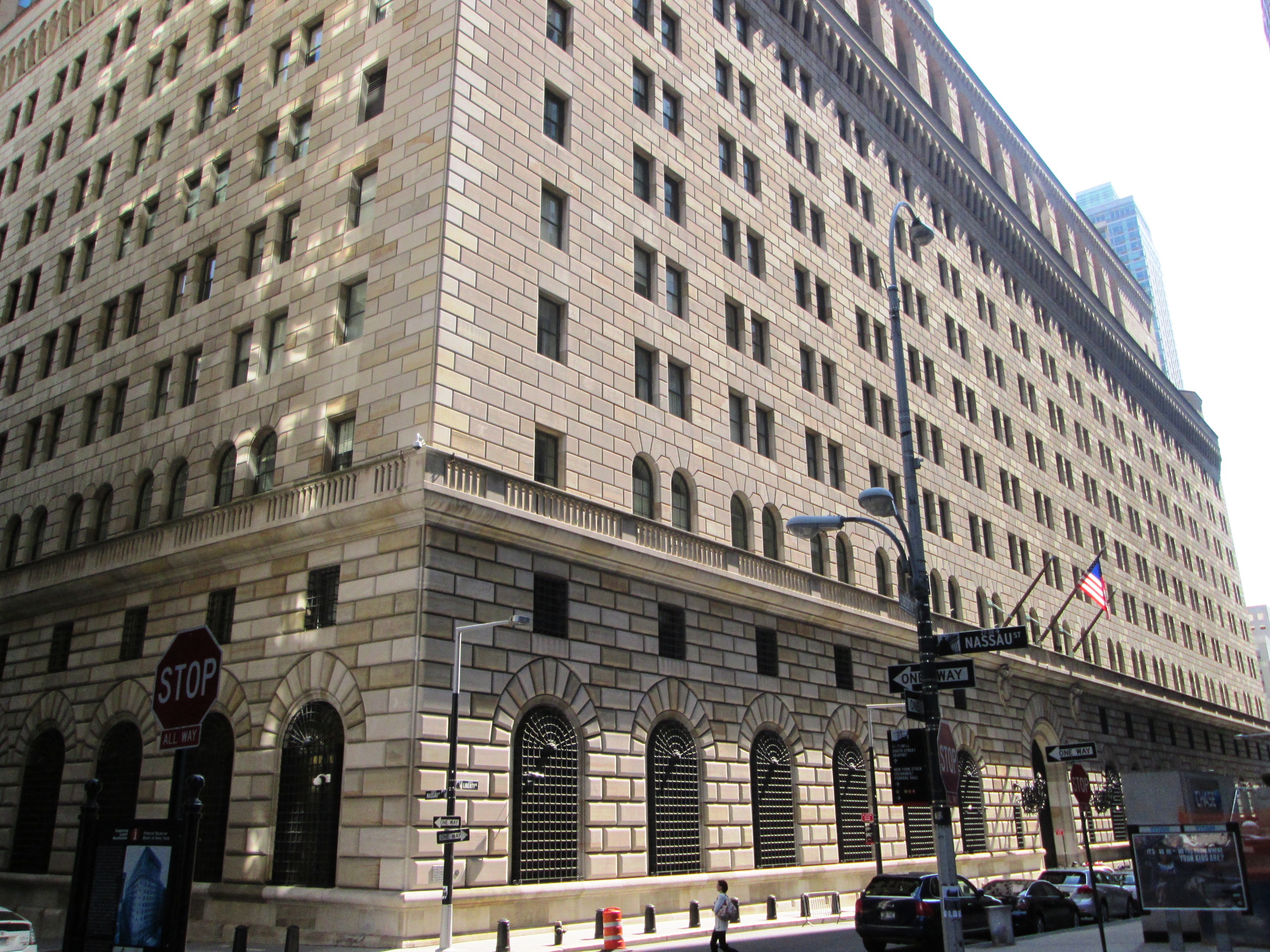
Federal Reserve Chairman Kevin Warsh said Wednesday that the central bank will keep its benchmark interest rate unchanged [1].
The decision reflects the Fed's ongoing struggle to balance economic growth with persistent inflation concerns, and market uncertainty [4, 5]. Because the benchmark rate influences borrowing costs for everything from mortgages to business loans, the hold suggests the central bank remains cautious about declaring victory over rising prices.
Warsh spoke at a press conference shortly after the official interest-rate announcement occurred at 2 p.m. ET [2]. The meeting took place on July 29, 2026 [1]. This session marked the second policy meeting presided over by Warsh since taking the helm of the institution [3].
During the briefing, the chairman addressed the current economic climate, focusing on the necessity of stability. The Fed is monitoring various indicators to determine when a rate cut might be appropriate without triggering a new surge in inflation [5].
Market participants had been anticipating the outcome of the meeting to gauge the Fed's appetite for easing monetary policy. By maintaining the current rate, the Fed signals that it is not yet convinced that inflation has stabilized sufficiently to justify a reduction in borrowing costs [4].
Warsh's approach in this second meeting emphasizes a data-dependent strategy — a method that prioritizes actual economic reports over forecasted trends. The central bank continues to evaluate labor market strength, and consumer spending as primary drivers for future adjustments [5].
“The central bank will keep its benchmark interest rate unchanged.”
The Federal Reserve's decision to hold rates steady indicates a 'wait-and-see' approach to inflation. By refusing to cut rates despite market pressure, the Fed is prioritizing price stability over immediate economic stimulation, suggesting that the path to lower borrowing costs will depend on definitive evidence that inflation has returned to target levels.

'%2F%3E%0A%20%20%20%20%3Crect%20width%3D'1600'%20height%3D'900'%20fill%3D'url(%23v)'%2F%3E%0A%20%20%20%20%3Cg%20opacity%3D'0.08'%20fill%3D'%23ffffff'%3E%0A%20%20%20%20%20%20%3Ccircle%20cx%3D'1420'%20cy%3D'180'%20r%3D'220'%2F%3E%0A%20%20%20%20%20%20%3Ccircle%20cx%3D'1500'%20cy%3D'760'%20r%3D'120'%2F%3E%0A%20%20%20%20%3C%2Fg%3E%0A%20%20%20%20%3Cline%20x1%3D'80'%20y1%3D'172'%20x2%3D'220'%20y2%3D'172'%20stroke%3D'%23ffffff'%20stroke-width%3D'3'%20stroke-opacity%3D'0.6'%2F%3E%0A%20%20%20%20%3Ctext%20x%3D'80'%20y%3D'140'%20font-family%3D'Inter%2C%20-apple-system%2C%20Helvetica%2C%20sans-serif'%20font-weight%3D'700'%20font-size%3D'28'%20fill%3D'%23ffffff'%20letter-spacing%3D'6'%3EHANNA%20%C2%B7%20NEWS%3C%2Ftext%3E%0A%20%20%20%20%3Ctext%20x%3D'80'%20y%3D'230'%20font-family%3D'Inter%2C%20-apple-system%2C%20Helvetica%2C%20sans-serif'%20font-weight%3D'600'%20font-size%3D'40'%20fill%3D'%23ffffffb3'%20letter-spacing%3D'4'%3EWORLD%3C%2Ftext%3E%0A%20%20%20%20%3Ctext%20x%3D'80'%20y%3D'622'%20font-family%3D'Playfair%20Display%2C%20Georgia%2C%20serif'%20font-weight%3D'800'%20font-size%3D'86'%20fill%3D'%23ffffff'%20letter-spacing%3D'-1'%3EFormer%20Uruguayan%20Tennis%20Pro%3C%2Ftext%3E%3Ctext%20x%3D'80'%20y%3D'721'%20font-family%3D'Playfair%20Display%2C%20Georgia%2C%20serif'%20font-weight%3D'800'%20font-size%3D'86'%20fill%3D'%23ffffff'%20letter-spacing%3D'-1'%3EArrested%20in%20US%20After%20Store%3C%2Ftext%3E%3Ctext%20x%3D'80'%20y%3D'820'%20font-family%3D'Playfair%20Display%2C%20Georgia%2C%20serif'%20font-weight%3D'800'%20font-size%3D'86'%20fill%3D'%23ffffff'%20letter-spacing%3D'-1'%3EAltercation%3C%2Ftext%3E%0A%20%20%20%20%3Ctext%20x%3D'80'%20y%3D'870'%20font-family%3D'Inter%2C%20-apple-system%2C%20Helvetica%2C%20sans-serif'%20font-weight%3D'500'%20font-size%3D'22'%20fill%3D'%23ffffff66'%20letter-spacing%3D'2'%3Enews.hanna-ai.com%3C%2Ftext%3E%0A%20%20%3C%2Fsvg%3E)
