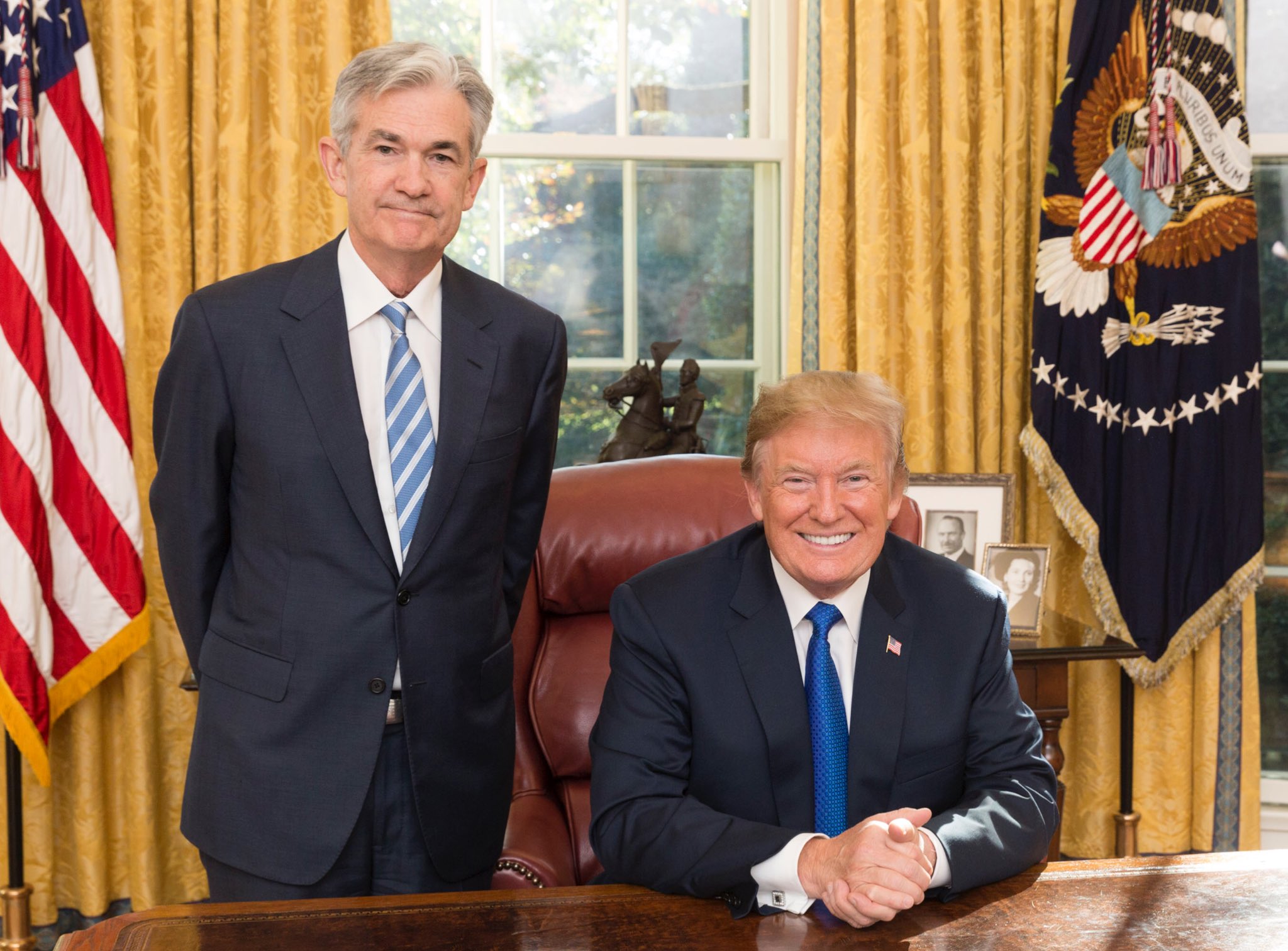
Federal Reserve Chairman Kevin Warsh said to a congressional committee on Tuesday that he will maintain his independence if challenged by President Donald Trump [1].
The statement addresses the critical tension between the executive branch and the central bank. Maintaining the Federal Reserve's autonomy is widely viewed as essential for stabilizing the U.S. economy and preventing political interference in monetary policy.
Warsh testified before the committee on July 14, 2026 [2]. During the hearing, he said that he would not allow political pressure to dictate the bank's decisions. He specifically referenced the challenges faced by his predecessor, Jerome Powell, as a backdrop for his current stance [1].
"I will do my job," Warsh said [1].
The chairman said that his primary obligation is to the economic mandate of the Federal Reserve rather than the preferences of the White House. He suggested that any attempt by the president to influence interest rates or other policy levers would be met with professional resistance [3].
"I don't work for Trump," Warsh said [2].
Warsh's testimony comes as a preemptive signal to markets and policymakers regarding the stability of the U.S. financial system. He noted that the independence of the central bank is a cornerstone of global economic trust, a trust that could be eroded if the Fed appeared to be an arm of the presidency [1].
"If the President tries to pressure me, I will simply do my job," Warsh said [3].
“I will do my job.”
This confrontation highlights a recurring conflict between the U.S. presidency and the Federal Reserve. By publicly pledging independence, Warsh is attempting to decouple monetary policy from election-cycle politics, which is intended to prevent inflation or instability that can occur when central banks prioritize short-term political gains over long-term economic health.


