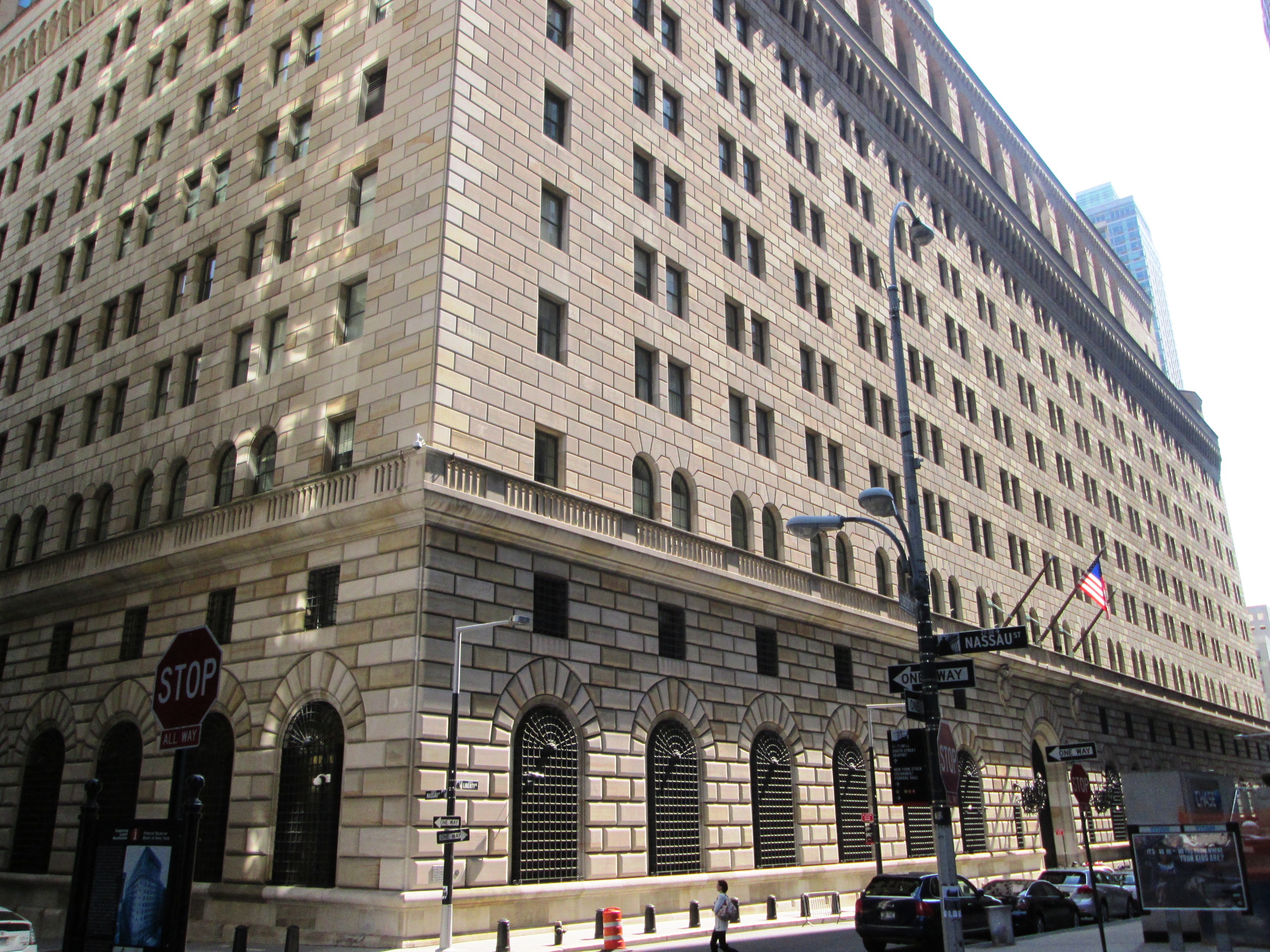
The Federal Reserve voted on July 29, 2026, to keep the benchmark interest rate unchanged [1].
This decision maintains the cost of borrowing for consumers and businesses while the central bank attempts to balance economic growth against stubborn inflation. The move comes as the U.S. economy faces significant headwinds from high energy prices and geopolitical instability.
Federal Open Market Committee members reached the decision with a nine-three vote [2]. This marks the fifth consecutive meeting where the benchmark rate has remained steady [3]. However, the vote revealed a divide within the committee, as three officials voted in favor of a rate hike to more aggressively curb inflation [4].
Policymakers are currently grappling with persistent inflation pressures [5]. These pressures are exacerbated by high energy costs, which have been driven in part by the war in Iran [5]. The internal tension over how to respond to these price spikes was evident during the deliberations.
Kevin Warsh said the internal disagreement was a "good family fight" [6]. The disagreement centers on whether the current rates are sufficient to stabilize prices or if further tightening is required to prevent long-term economic instability.
While the majority opted for stability, the dissenting votes suggest that a portion of the committee believes the risk of runaway inflation outweighs the risk of slowing economic growth. The Federal Reserve will continue to monitor energy markets, and global conflict developments, to determine if future adjustments are necessary [5].
“The Federal Reserve voted on July 29, 2026, to keep the benchmark interest rate unchanged.”
The split vote indicates a growing lack of consensus within the Federal Reserve regarding the efficacy of current monetary policy. By holding rates steady despite the inflationary pressure from the Iran war, the Fed is betting that inflation is transitory or manageable without further risking a recession. However, the three dissenting votes signal that a pivot toward higher rates remains a distinct possibility if energy prices do not stabilize.


