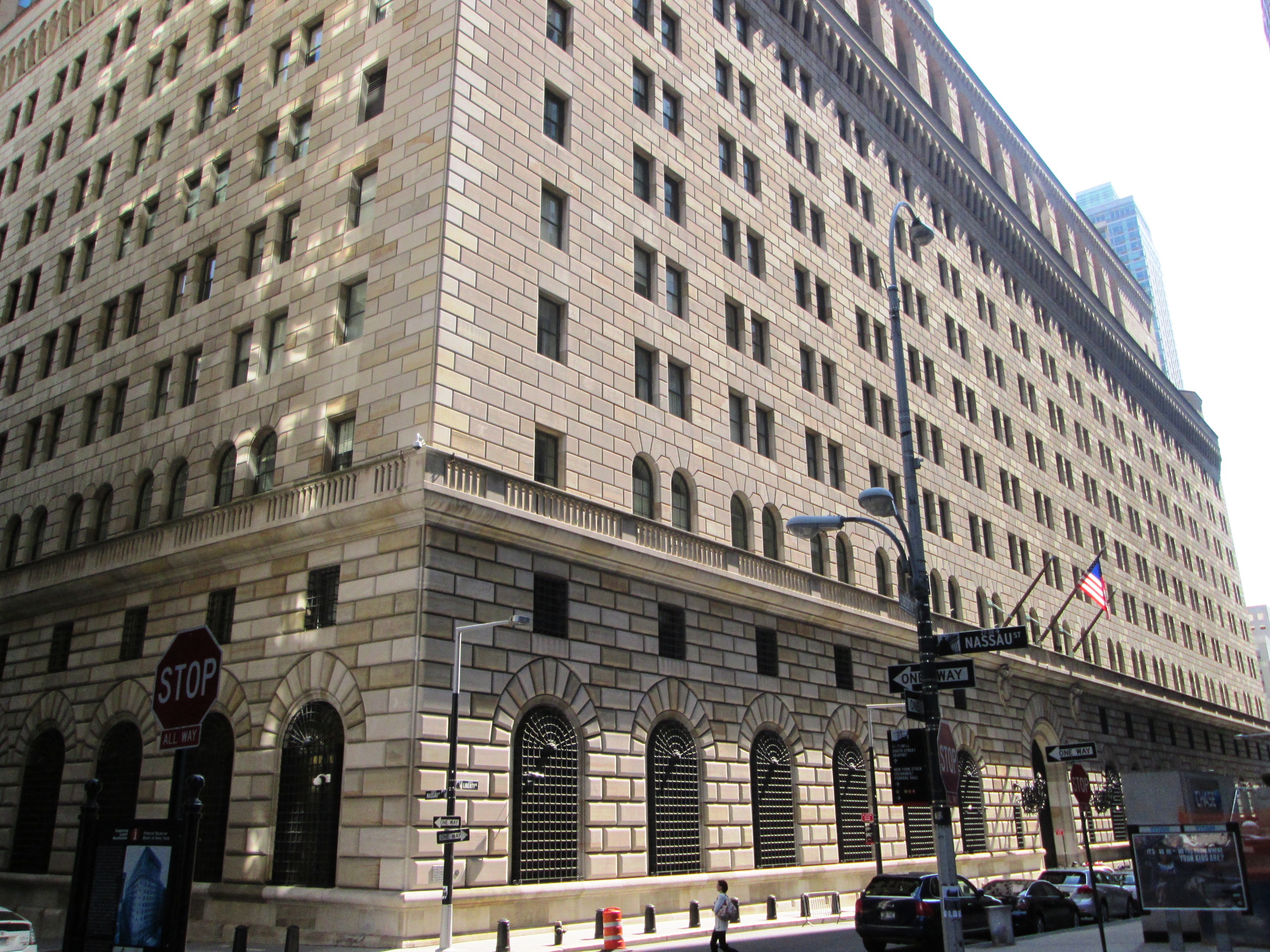
The Federal Reserve kept interest rates unchanged in July 2026 as policymakers continued to weigh persistent inflation pressures against the outlook for rate cuts [1].
This decision maintains borrowing costs at a restrictive level to curb price growth, impacting everything from consumer loans to global commodity markets. The Fed's hesitation to pivot suggests that inflation remains a stubborn hurdle for the U.S. economy.
According to minutes released July 3, the central bank maintained the policy rate within a target range of 5.25% to 5.50% [1]. The decision comes as officials monitor economic data to determine if the current restrictive stance is sufficient to reach long-term inflation targets.
In the commodities market, gold prices retreated from recent peaks. Spot gold fell about one percent to $4,159.99 per ounce [2], as a stronger dollar and shifting expectations regarding future Fed moves pressured the metal [3]. The pull-back occurred as traders adjusted their bets on the timing of future policy shifts.
Market analysts said they are currently pricing in a 57% chance of a Federal Reserve rate hike in September [3]. This expectation of further tightening contributed to the decline in gold, which typically serves as a hedge against economic instability but loses appeal when yields on interest-bearing assets rise.
While the U.S. manages its monetary policy, the United Kingdom faces its own set of challenges. UK policymakers said they have growing concern over inflation, which continues to strain public finances and pressure household budgets. The persistent rise in price growth in the UK complicates the government's ability to manage national debt, and provide public services, without further fueling inflation.
These synchronized pressures across the U.S. and UK highlight a global struggle to stabilize prices without triggering deep economic contractions. The Federal Reserve's decision to hold steady reflects a cautious approach to a volatile global financial environment.
“The Federal Reserve maintained the policy rate within a target range of 5.25% to 5.50%.”
The Fed's decision to hold rates steady, combined with the market's pricing of a potential September hike, indicates that the battle against inflation is far from over. For gold investors, the retreat suggests that the 'safe haven' appeal is currently outweighed by the strength of the U.S. dollar and the prospect of higher yields. Meanwhile, the UK's inflation struggle suggests a broader systemic vulnerability where governments are trapped between the need to support public spending and the necessity of tightening monetary policy to stop price spirals.


