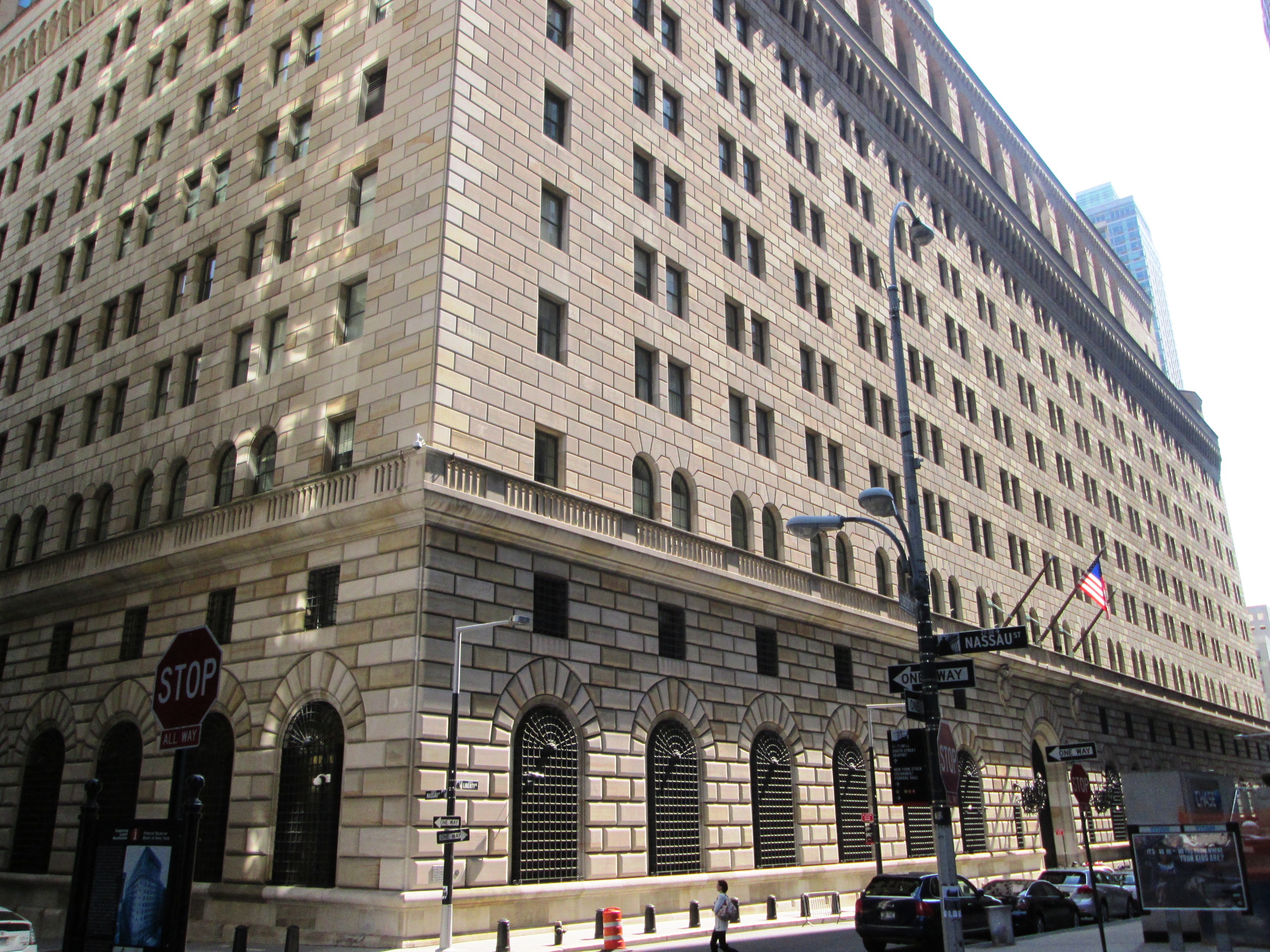
The Federal Reserve's decisions on benchmark interest rates are influencing the costs of federal student loans for the 2026-27 academic year.
These shifts matter because the Fed's monetary policy directly affects the formula used to set interest rates for millions of borrowers. Changes in these rates determine the monthly payment amounts, and the total cost of education for students across the U.S.
Reports on the Fed's recent actions show conflicting data. One report said the Federal Reserve kept its benchmark interest rate range at 3.5% to 3.75% [1]. Another report said the Federal Reserve raised its benchmark interest rate by 0.75 percentage point [2]. These decisions are made to curb inflation and respond to a slowing labor market and geopolitical tensions, such as the war in Iran [1], [2].
While student loan interest rates remained stable in May 2026 [4], analysts expect a shift soon. Expert analysis said that federal student loan interest rates will rise in the 2026-27 academic year [3]. Other reports said that while rates were stable in May, they are likely to change during the second half of the year [4].
The relationship between the Fed and student loans is systemic. When the Fed adjusts the federal funds rate to manage the economy, that movement eventually filters through to the government's loan pricing. This means students entering the 2026-27 term may face higher borrowing costs than those in previous cycles.
Borrowers typically see these changes reflected in new loans or variable-rate products. Because the Fed monitors inflation and global stability, the cost of borrowing for education remains tied to the broader economic climate in Washington, D.C. [1], [2].
“Federal student loan interest rates will rise in the 2026-27 academic year.”
The divergence in reporting regarding the Fed's rate movement suggests a volatile economic environment. Regardless of whether the benchmark was held steady or raised, the projected increase for the 2026-27 academic year indicates that the cost of federal borrowing is trending upward, likely increasing the long-term debt burden for new students.