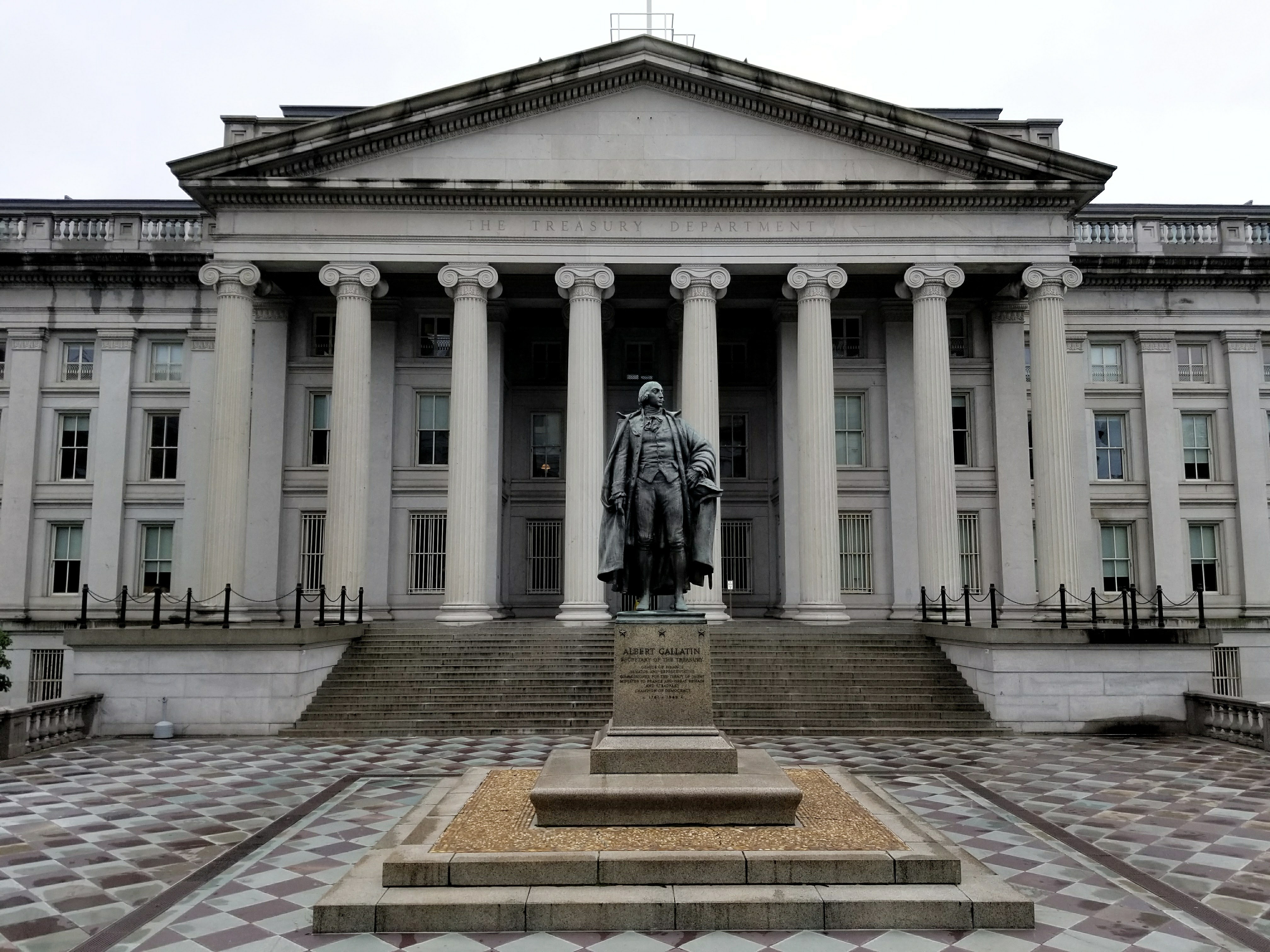
The Federal Reserve may struggle to rely on bond market signals because U.S. Treasury debt-management actions are intervening in that market [1].
This tension is critical because the Fed uses bond yields to gauge economic conditions and determine interest rate paths. If the Treasury Department artificially alters supply dynamics, the resulting yields may reflect government strategy rather than organic market sentiment.
Kristina Hooper, chief market strategist at Man Group, said the Treasury's approach to managing debt is intervening in the market [1]. These changes in strategy alter the supply of securities, which could limit the ability of the Fed to accurately read market conditions [1].
Federal Reserve officials are responding to these shifts with caution. Two officials said they were concerned regarding the Treasury's intervention [2]. This caution comes as the central bank prepares for high-profile policy discussions, including Fed Chair Jerome Powell's Jackson Hole address [1].
A Reuters report from Aug. 20, 2024, said that officials are treading carefully due to these interventions [2]. The primary concern is that the Treasury's influence on bond supply creates a noise that obscures the actual economic signals the Fed needs to make informed decisions on monetary policy [2].
Because the bond market serves as a primary barometer for inflation expectations and growth, any distortion can lead to policy errors. The Treasury's role in managing the national debt is separate from the Fed's mandate to manage the money supply, but their actions overlap in the Treasury market [1].
“The Federal Reserve may struggle to rely on bond market signals because U.S. Treasury debt-management actions are intervening in that market.”
The disconnect between the Treasury Department and the Federal Reserve creates a risk of 'policy blindness.' If the Treasury manipulates the supply of bonds to keep borrowing costs low, it may accidentally mask rising inflation or economic instability that would otherwise be visible in bond yields. This forces the Fed to rely more on lagging indicators, such as employment data, rather than the forward-looking signals typically provided by the bond market.


