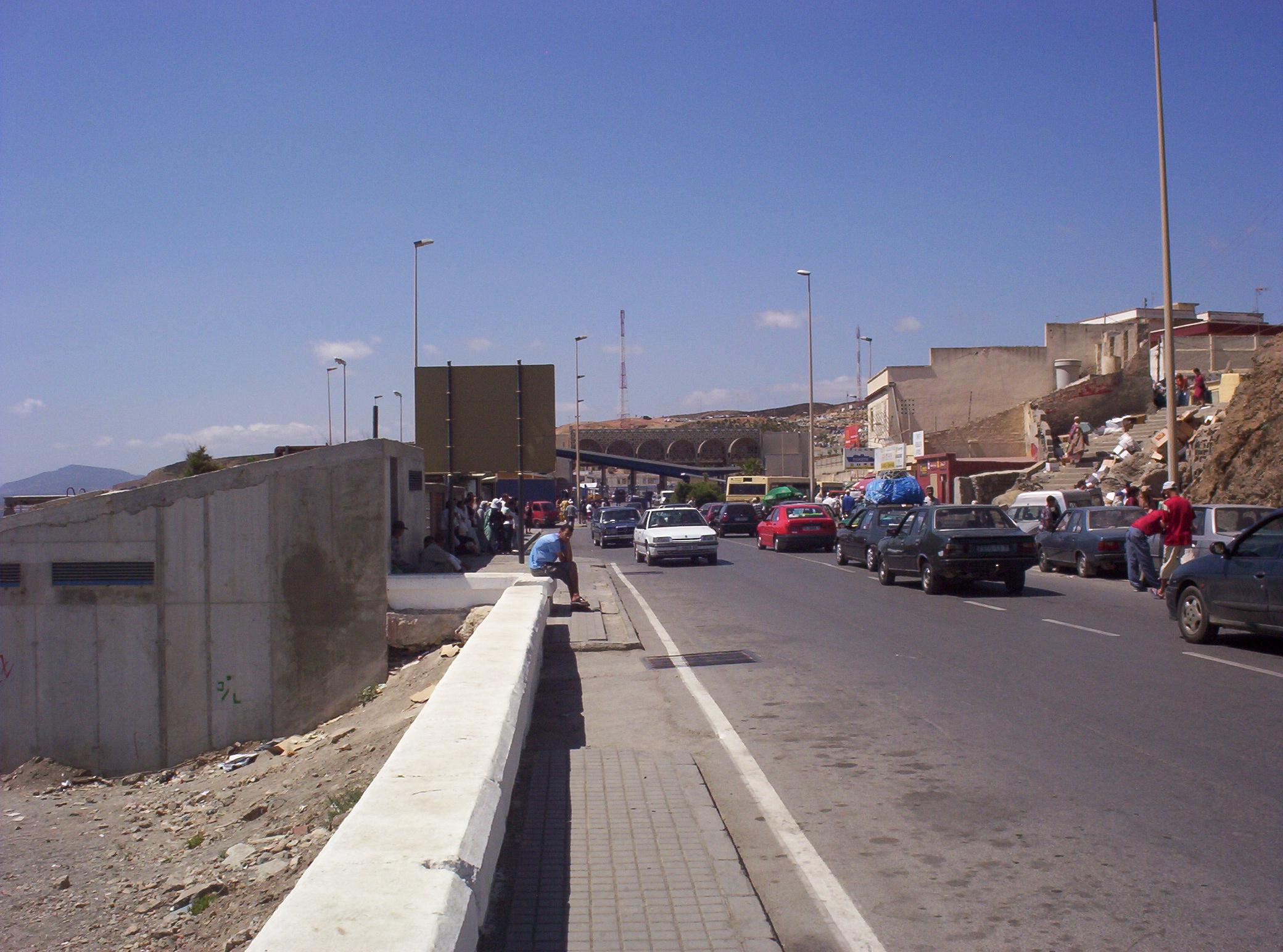
Alberto Núñez Feijóo, leader of the Partido Popular, visited Ceuta on Friday, July 31, to address a massive influx of migrants from Morocco [1].
The visit underscores a deepening political divide over how Spain manages its borders and its diplomatic relationship with Morocco during a humanitarian emergency.
Feijóo was accompanied by Ceuta Mayor Juan Jesús Vivas as they toured the autonomous city. The visit follows reports that approximately 1,500 people entered the enclave in the last week [2], representing about two% of the local population [2]. However, other reports indicate the scale of the attempt was far larger, with an estimated 50,000 people attempting illegal entry [4].
The crisis has resulted in significant loss of life, with 57 migrants reported dead [3]. Prime Minister Pedro Sánchez said the situation was a "deplorable violation of territorial integrity" [3].
Feijóo used the visit to target the national government's strategy. He specifically criticized the installation of buoys in the water, suggesting the administration was improvising its response. "No está a la altura de esta crisis," Feijóo said, stating the government is not meeting the challenges of the crisis [5].
Local leadership has called for more drastic measures to handle the pressure. Mayor Vivas said that 1,500 people had entered the city [2]. The administration in Ceuta has requested the declaration of a national emergency, and the establishment of a single command to coordinate the response to the migratory pressure [6].
The sudden surge has overwhelmed local services and put the Spanish government in a difficult position regarding its security agreements with Rabat. While the government focuses on territorial integrity, the opposition argues that the lack of a cohesive plan has left the enclave vulnerable and the border unstable.
“"No está a la altura de esta crisis"”
The clash between Feijóo and Sánchez highlights a fundamental disagreement on border security: one side views the crisis as a diplomatic failure requiring a national emergency, while the other treats it as a violation of sovereignty. The discrepancy in arrival numbers—ranging from 1,500 to 50,000—suggests a chaotic environment where the scale of the humanitarian need is competing with national security narratives.


