
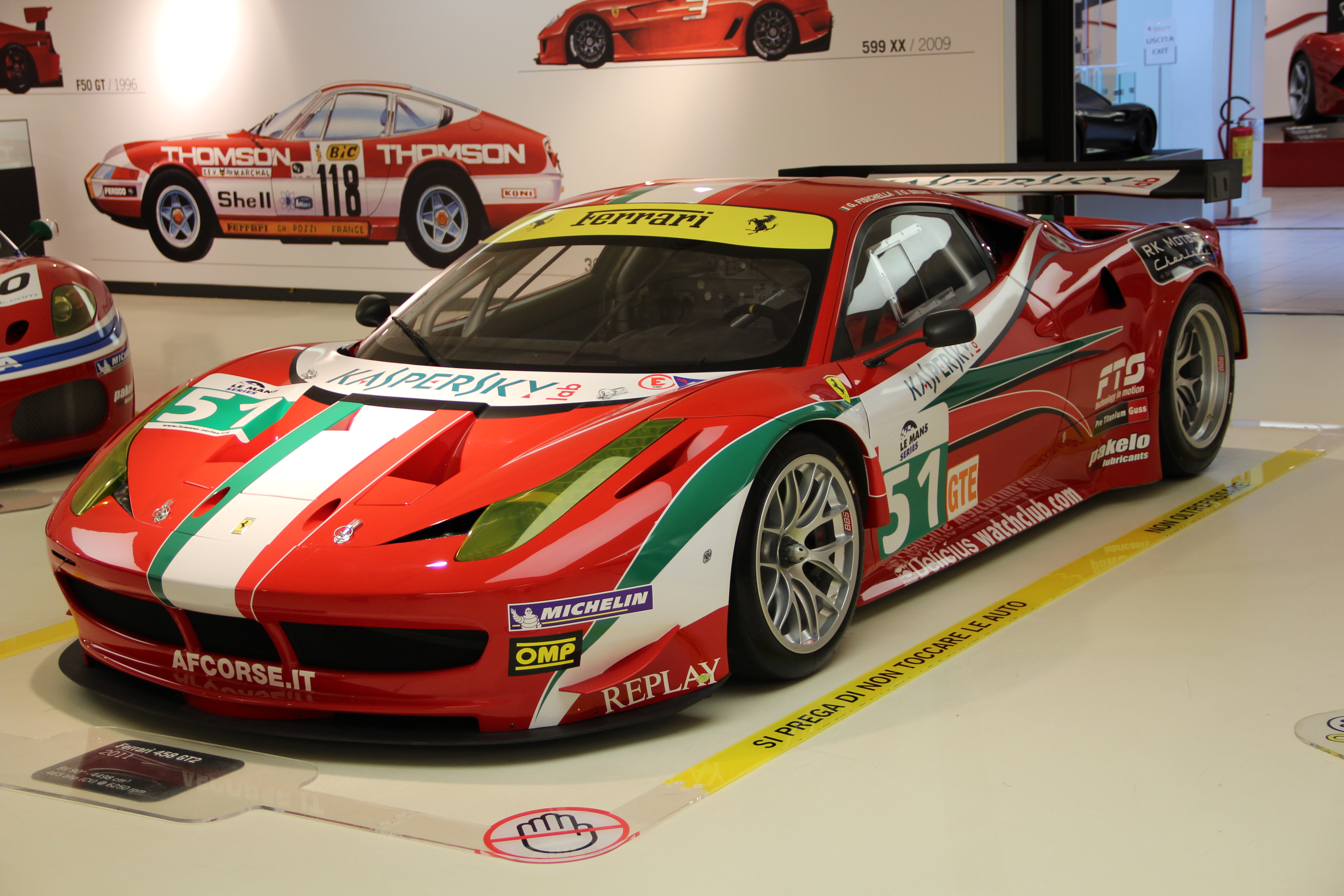
Ferrari unveiled its first fully electric vehicle, the Luce, in Rome on Monday, triggering a sharp decline in the company's share price [1, 2].
The move represents a pivotal shift for the Italian luxury brand as it attempts to balance its high-performance internal combustion heritage with a transition to sustainable energy. The market reaction suggests significant investor uncertainty regarding the company's electric-only strategy and the aesthetic direction of the new model [3, 6].
Shares of the manufacturer fell seven percent [3, 5] following the reveal. Some reports indicate the drop was more than eight percent [1]. This volatility resulted in a substantial loss of market capitalization, with some estimates placing the overnight loss at over $4 billion [1] or approximately GBP 3 billion [3].
The Luce is priced at $640,000 [2, 6]. Designed in collaboration with Jony Ive, the vehicle delivers 1,036 hp [3]. The company has also associated 60 new patents with the development of the Luce EV [3].
Public and investor reactions have been mixed. Critics and enthusiasts have questioned whether the design and the shift to an electric powertrain align with the brand's identity [3, 6]. While the company views the Luce as a glimpse into its future, the immediate financial impact reflects a tension between traditional brand loyalty and the requirements of a modern, electrified automotive market [5].
“Ferrari unveiled its first fully electric vehicle, the Luce, in Rome”
The immediate stock dip highlights the risk luxury automakers face when pivoting away from the visceral appeal of combustion engines. For Ferrari, the challenge is not merely technical but emotional; the market is questioning if a silent, electric powertrain can maintain the prestige and 'soul' associated with the brand's racing legacy.


