
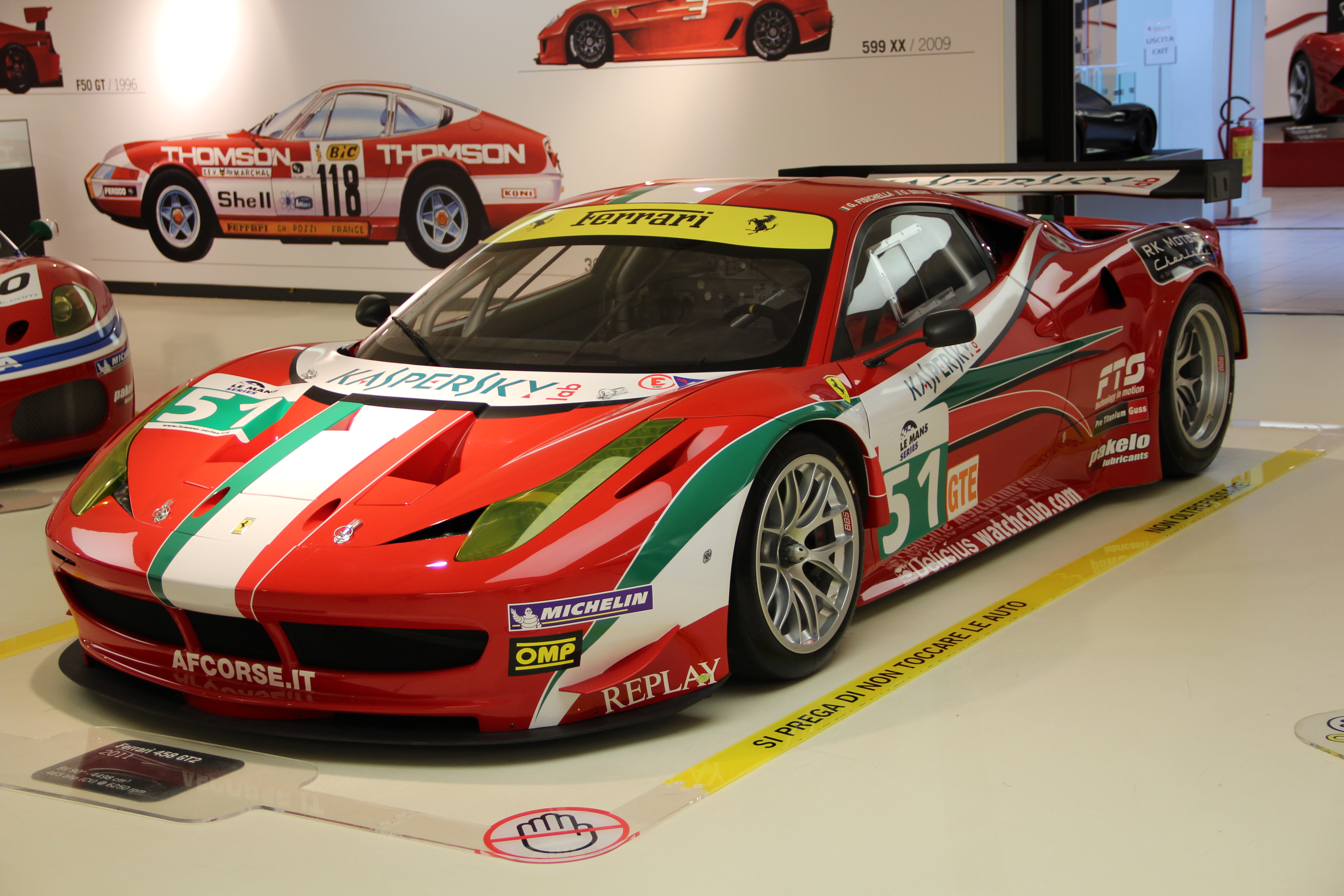
Ferrari shares plunged by more than eight percent [1] after the Italian luxury sports carmaker unveiled its first fully electric vehicle, the Luce.
The market reaction highlights the tension between the automotive industry's shift toward electrification and the preservation of a brand built on internal combustion engine heritage. For a company defined by the sound and feel of high-performance engines, a transition to electric power carries significant brand risk.
The sell-off occurred on Tuesday, May 26, 2024 [2], within European stock markets, specifically the Borsa Italiana in Milan [3]. The decline followed the official reveal of the Luce, which prompted immediate scrutiny from both investors and critics [4].
Market analysts said the drop was driven by concerns over whether the new model aligns with Ferrari's established identity [5]. While the company has moved toward hybrid technology in previous years, the jump to a fully electric platform represents a more fundamental shift in the product line.
Reports on the magnitude of the share drop varied slightly among sources. Some data indicated the shares fell by more than eight percent [1], while other reports suggested the decline was almost eight percent [6]. This volatility reflects the uncertainty surrounding the reception of the vehicle's design and performance specifications.
Critics and fans have expressed shock over the debut [7]. The primary concern remains whether the Luce can maintain the exclusivity and emotional appeal that justifies Ferrari's premium pricing, a factor that investors closely monitor to determine the company's long-term valuation [8].
“Ferrari shares plunged by more than eight percent after the Italian luxury sports carmaker unveiled its first fully electric vehicle.”
The immediate market correction suggests that Ferrari's valuation is heavily tied to its traditional identity as a combustion-engine manufacturer. While global regulatory pressures are forcing a transition to EVs, this event demonstrates that for ultra-luxury brands, technological advancement can be perceived as a liability if it threatens the 'soul' of the brand. The company now faces the challenge of proving that electric performance can evoke the same prestige as its gasoline predecessors to regain investor confidence.


