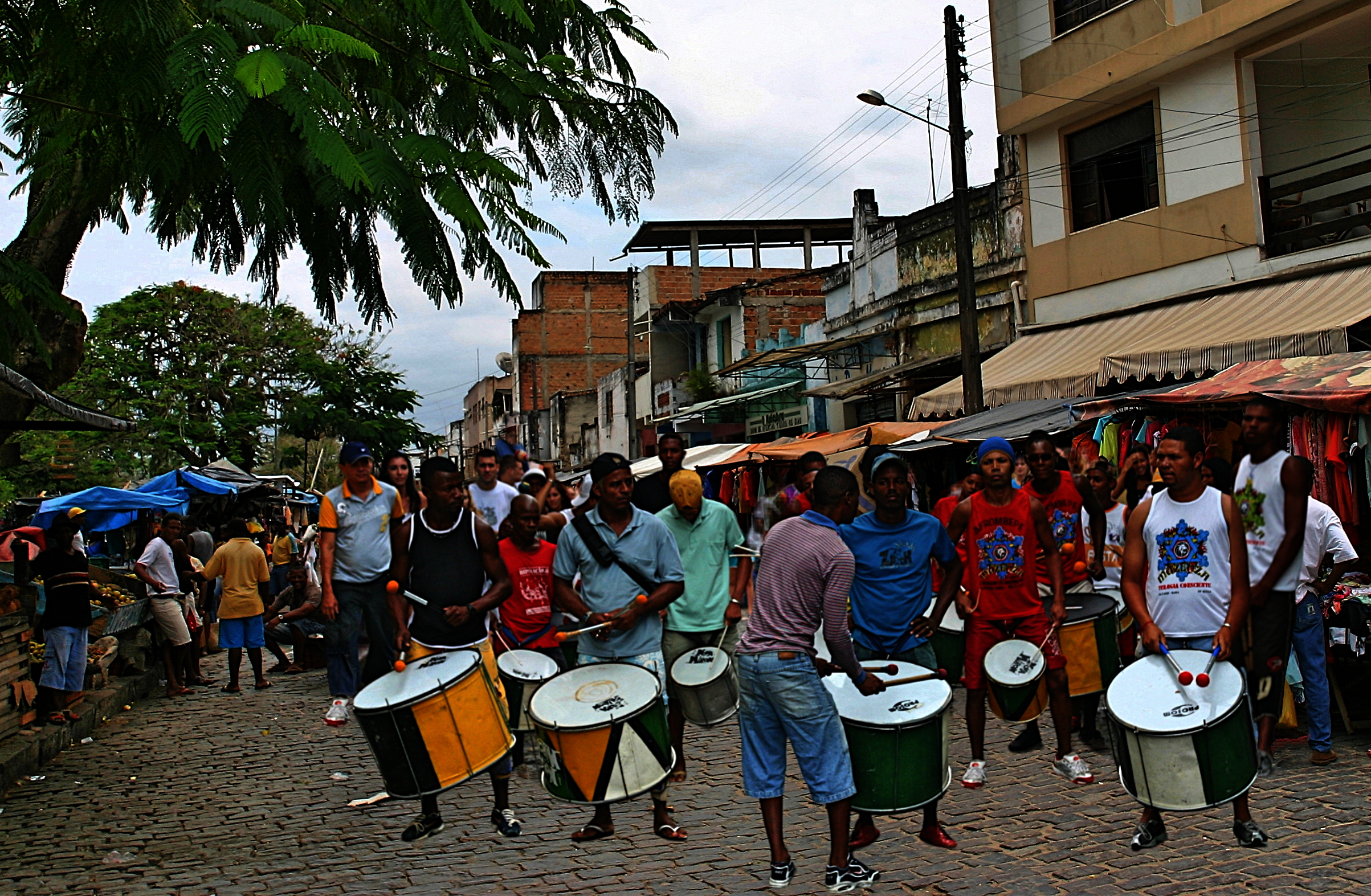
Festa Junina celebrations took place throughout June to preserve cultural identity and tradition across Brazil [1].
These annual events serve as a critical link between generations, ensuring that the regional heritage of Ceará and other Brazilian states remains intact. By blending European influences with local "caipira" traditions, the festivities reinforce a sense of community and shared history [1].
The celebrations are characterized by a focus on cultural identity. These events are not merely parties but are designed to keep the region's specific traditions alive through music, dance, and community gathering [1].
In Ceará, the tradition has successfully crossed generational lines. This continuity allows younger residents to engage with the customs of their ancestors, a process that stabilizes the region's cultural footprint in a modernizing world [1].
The origins of the festival trace back to European celebrations, which were later adapted to fit the Brazilian landscape [1]. This evolution created the distinct identity associated with the June festivals seen today.
Community members participate in these events every June to ensure the survival of these practices [1]. The persistence of the festival highlights the importance of folk traditions in maintaining a distinct social fabric within Brazil [1].
“Festa Junina celebrations take place each June across Brazil.”
The persistence of Festa Junina in Ceará demonstrates the resilience of regional folk culture against globalization. By maintaining these annual rituals, the community ensures that its historical identity is transmitted to younger generations, preventing the erasure of local customs.


