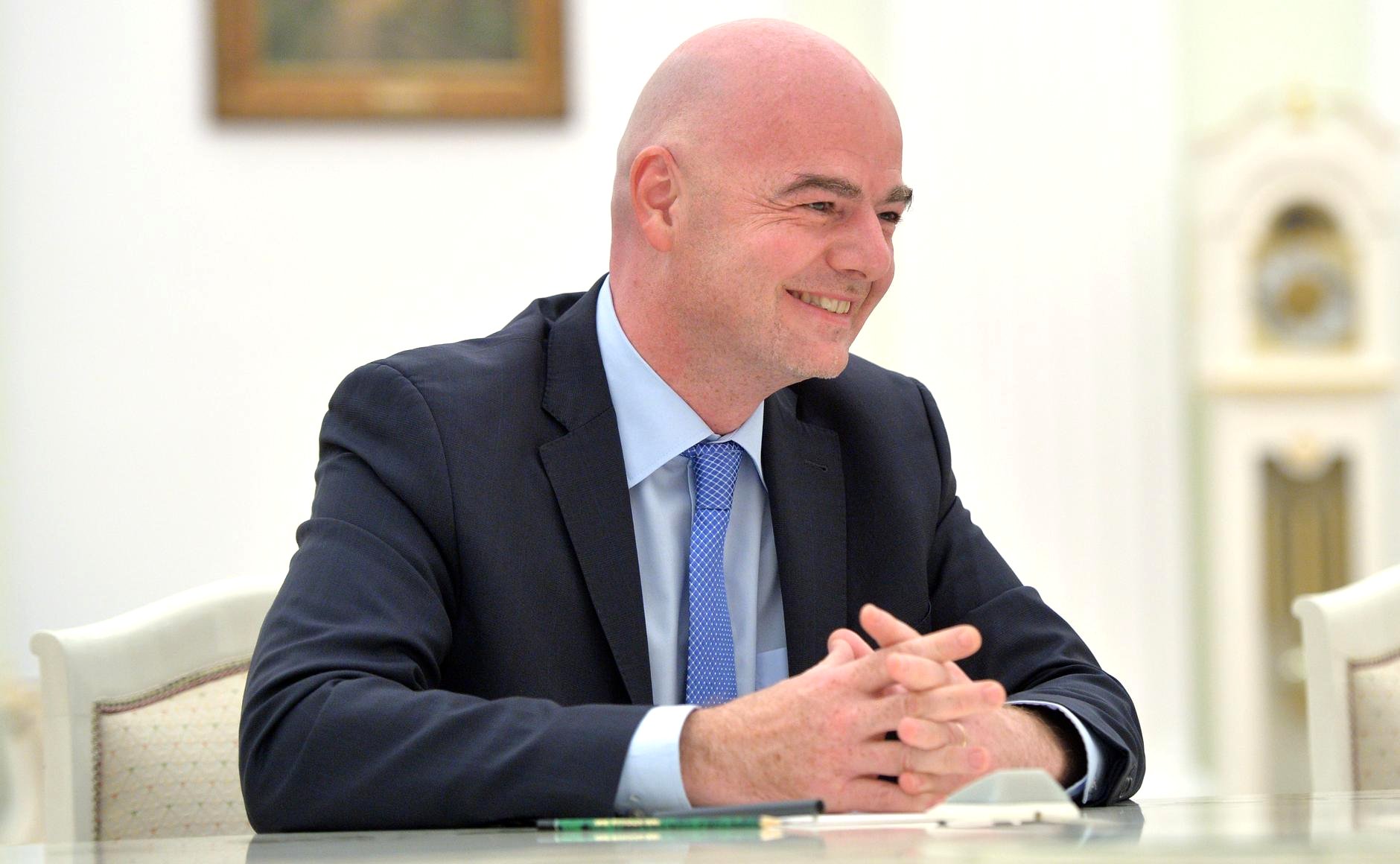
FIFA President Gianni Infantino is facing mounting pressure from global football confederations over a proposal to inject private capital into World Cup revenues.
The dispute represents a significant rift in football governance, as critics argue that selling a stake in tournament profits effectively privatizes the world's most prestigious sporting event. The pushback threatens the stability of Infantino's leadership and the consensus among the sport's governing bodies.
Opposition to the plan has spread across multiple continents. The Asian Football Confederation (AFC) and CONCACAF have both expressed opposition to the proposal [1, 2]. Furthermore, UEFA has initiated a boycott in response to the move [3].
The internal turmoil has already led to high-level departures, including the resignation of a senior advisor to the FIFA president [1, 4]. This exit signals a breakdown in the executive strategy surrounding the commercialization of the tournament.
Beyond the confederations, the conflict has reached the local level in the U.S. Host cities for the 2026 World Cup are reportedly demanding payments of $1 million each from FIFA [4]. These demands stem from accusations that Infantino has failed to fulfill promises made to the cities preparing for the event [1, 4].
Critics said the plan to bring in private investors would prioritize corporate returns over the growth of the game. By shifting the financial structure of the World Cup, FIFA risks alienating the very organizations that manage the sport's regional development. The combined resistance from UEFA, AFC, and CONCACAF creates a nearly universal front of opposition against the current administration's financial direction [1, 2, 3].
“The dispute represents a significant rift in football governance.”
This conflict highlights a fundamental tension between the desire for immediate capital infusion and the traditional non-profit structure of global football governance. If Infantino cannot reconcile the demands of the regional confederations and the host cities, the resulting instability could lead to a leadership crisis or a complete overhaul of how World Cup revenues are distributed and managed.


