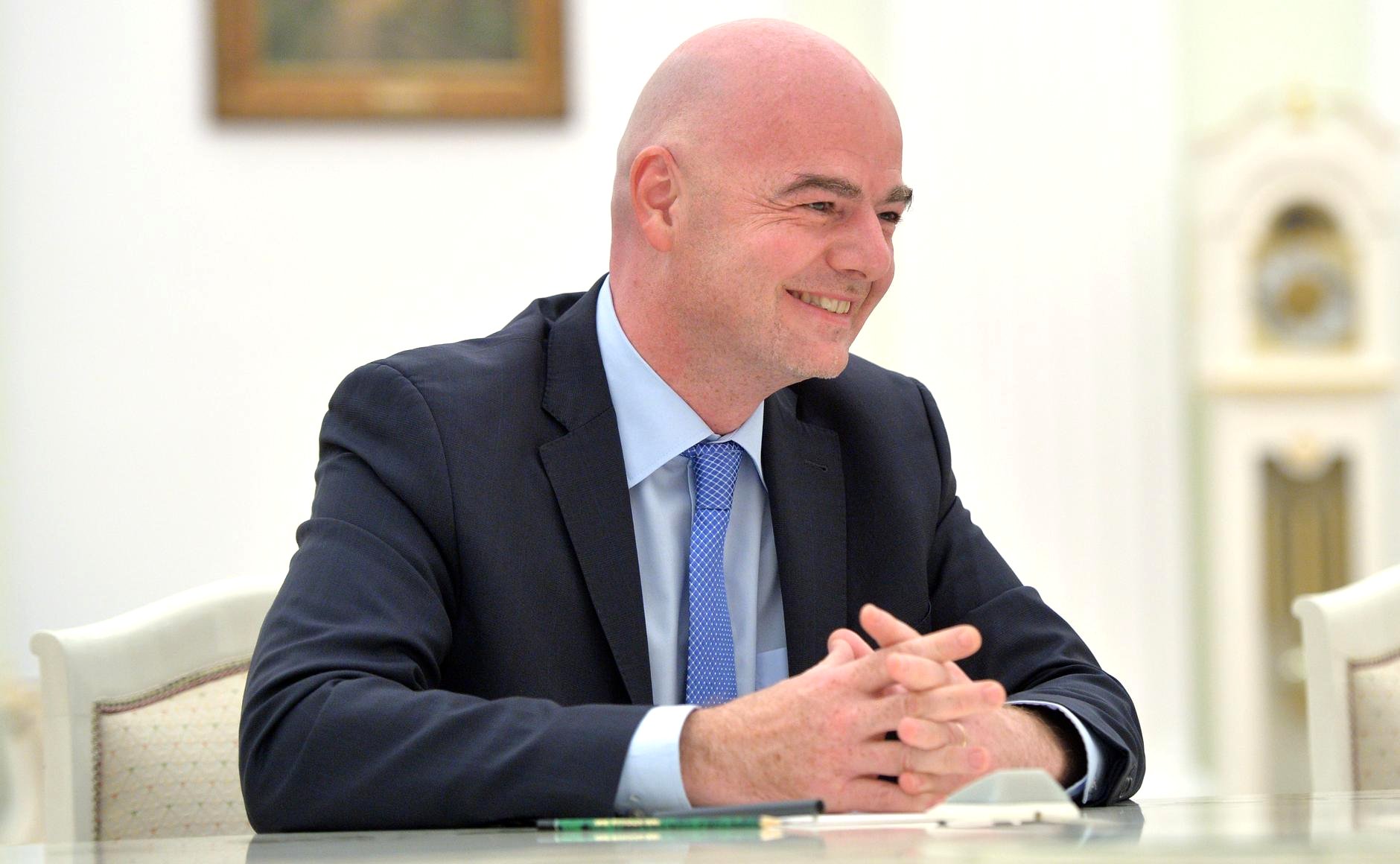
FIFA abandoned its proposal to sell stakes in the World Cup to private-equity investors late Friday [1, 4].
The decision ends a controversial effort to shift the financial structure of the world's most popular sporting event. The move signals a victory for critics who argued that introducing private equity would over-commercialize the sport and compromise its integrity.
In a statement released by the Zurich-based governing body, FIFA confirmed it will no longer seek to create a separate commercial-rights company [1]. The proposed entity was estimated to have a value of $20 billion [3].
Opposition to the plan was led by UEFA, the governing body for football in Europe. Reports indicate that UEFA's resistance was tied to a private-equity investment plan valued at $4.2 billion [5].
A FIFA spokesperson said, "Nobody is selling football" [2].
President Gianni Infantino had previously championed the initiative as a way to grow the game's revenue streams [1, 6]. However, the backlash from European football authorities and broader criticism regarding the commercialization of the game prompted the reversal [5, 6].
While most reports indicate the plan has been scrapped [1, 4], some internal discussions regarding the consultation process for such initiatives may continue [2]. The governing body has not detailed how it will replace the projected revenue gains from the abandoned deal.
“"Nobody is selling football"”
This reversal highlights the ongoing tension between FIFA's drive for aggressive commercial expansion and the traditional governance structures led by UEFA. By rejecting private equity, FIFA avoids a fundamental shift in ownership that could have granted external investors influence over the tournament's format and commercial direction.


