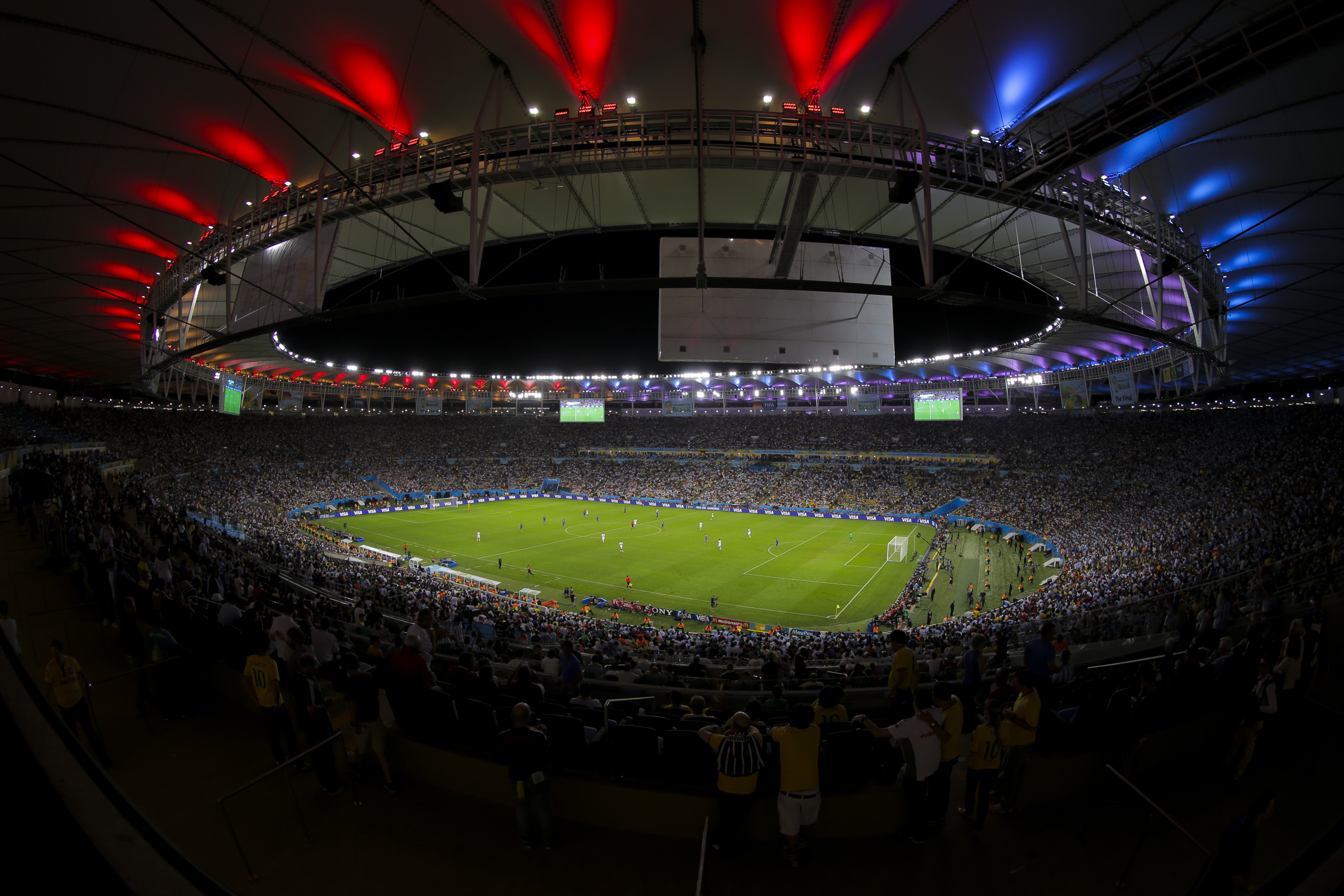
Justin Bieber performed alongside a roster of global superstars during the first-ever FIFA World Cup final halftime show on Sunday, July 19, 2026 [1].
The event marks a significant shift in FIFA's approach to the tournament final, attempting to merge the world's most popular sport with global pop culture. By introducing a structured entertainment segment, the organization is mirroring the high-production model of the NFL's Super Bowl to increase viewership and engagement across different demographics.
The performance took place at MetLife Stadium in East Rutherford, New Jersey [4]. The spectacle was curated by Chris Martin of the band Coldplay [5]. Bieber was joined on stage by an eclectic group of artists, including Shakira, Madonna, BTS, and Burna Boy [1].
FIFA broke from previous tournament traditions by extending the halftime break to 30 minutes [3]. Within that window, the landmark musical performance lasted 11 minutes [2]. The collaboration aimed to create a diverse, international appeal by featuring artists from various continents and musical genres.
Reaction to the unconventional lineup has been varied. Some viewers praised the ambitious scale of the production, while others said the combination of artists was chaotic [3]. Despite the mixed reviews, the event represents the first time the World Cup final has featured a dedicated halftime show of this magnitude.
The production utilized the massive scale of the New Jersey venue to coordinate the various acts. The integration of pop stars into the match schedule suggests a long-term strategy by FIFA to expand the commercial viability of the final beyond the pitch.
“Justin Bieber performed alongside a roster of global superstars during the first-ever FIFA World Cup final halftime show.”
The introduction of a curated halftime show signals FIFA's intent to transform the World Cup final into a broader entertainment property. By leveraging global icons like BTS and Justin Bieber, the organization is targeting a younger, digitally native audience that consumes music and sport as a combined lifestyle experience, potentially opening new revenue streams through entertainment sponsorships.