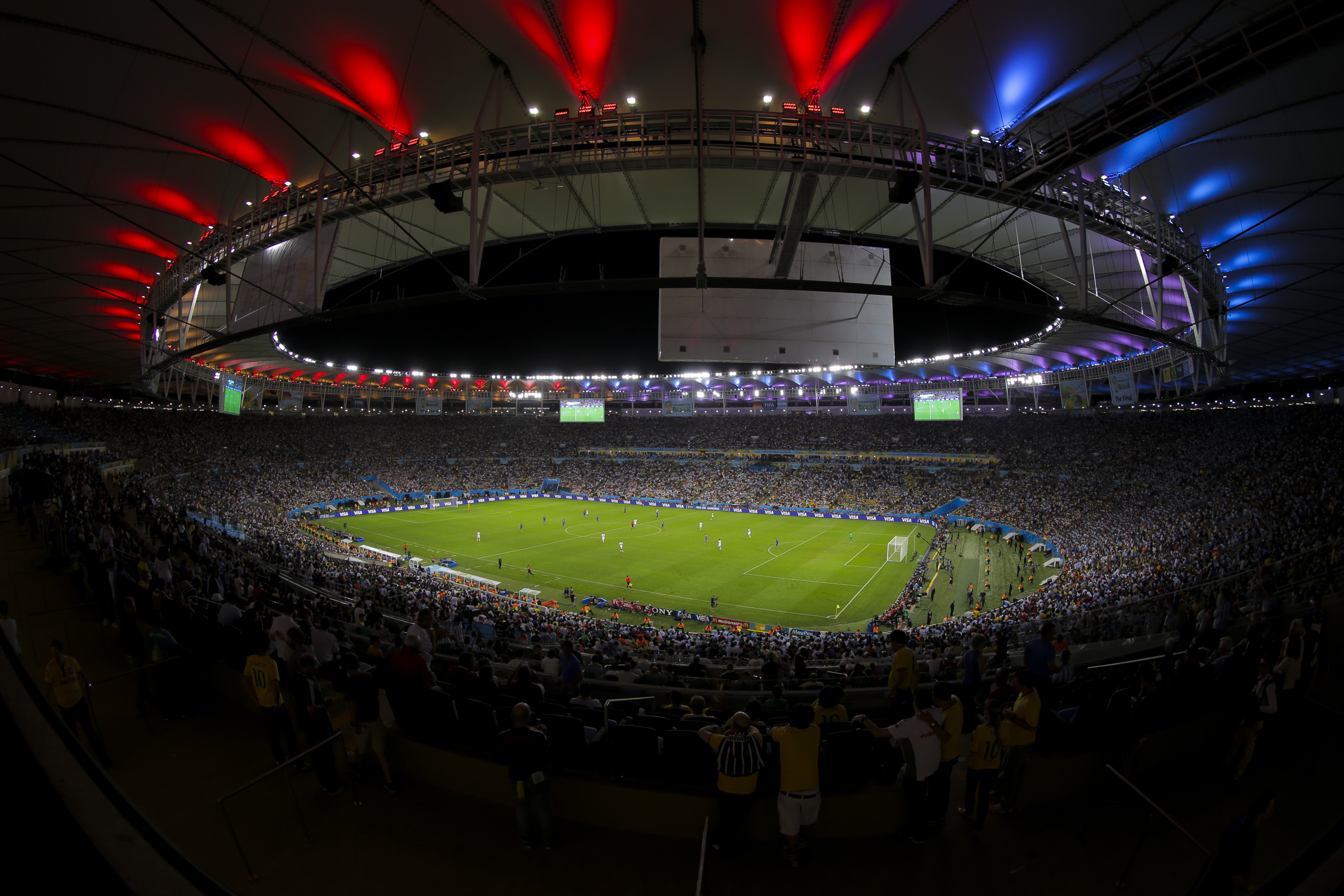
FIFA launched its first-ever World Cup halftime show on July 19, 2026 [1], during the tournament final at MetLife Stadium in East Rutherford, New Jersey [2].
The introduction of a musical spectacle marks a significant shift in how the governing body manages its flagship event. By incorporating a high-profile entertainment segment, FIFA aims to broaden the cultural appeal of the tournament and create a global spectacle that mirrors the scale of the Super Bowl.
The performance featured a diverse lineup of international superstars. Madonna, BTS, Justin Bieber, and Shakira led the event, appearing alongside other guest artists [1, 3]. The selection of performers reflects a strategy to target a wide demographic of global viewers, blending pop icons from the U.S., South Korea, and Colombia.
MetLife Stadium served as the venue for this inaugural event [2]. While some reports referred to the location as the New York-New Jersey stadium, it is officially known as MetLife Stadium [2].
This shift toward a centralized entertainment experience is a new departure for the World Cup final. Previously, the tournament focused exclusively on the sporting competition, with music typically relegated to pre-match ceremonies or fan zones. The decision to stage a formal halftime show suggests a desire to increase engagement with non-sports audiences and maximize advertising opportunities during the most-watched match of the tournament [3].
Organizers designed the show to be a live, global event, utilizing the infrastructure of the New Jersey venue to support complex staging and choreography for the multiple guest acts [1, 2].
“FIFA launched its first-ever World Cup halftime show on July 19, 2026.”
The adoption of a halftime show indicates FIFA's transition toward a more Americanized, entertainment-centric sports model. By integrating global pop stars into the final, the organization is attempting to transform a sporting event into a multi-platform media property, ensuring the World Cup remains competitive for viewership and sponsorship in an increasingly fragmented digital attention economy.