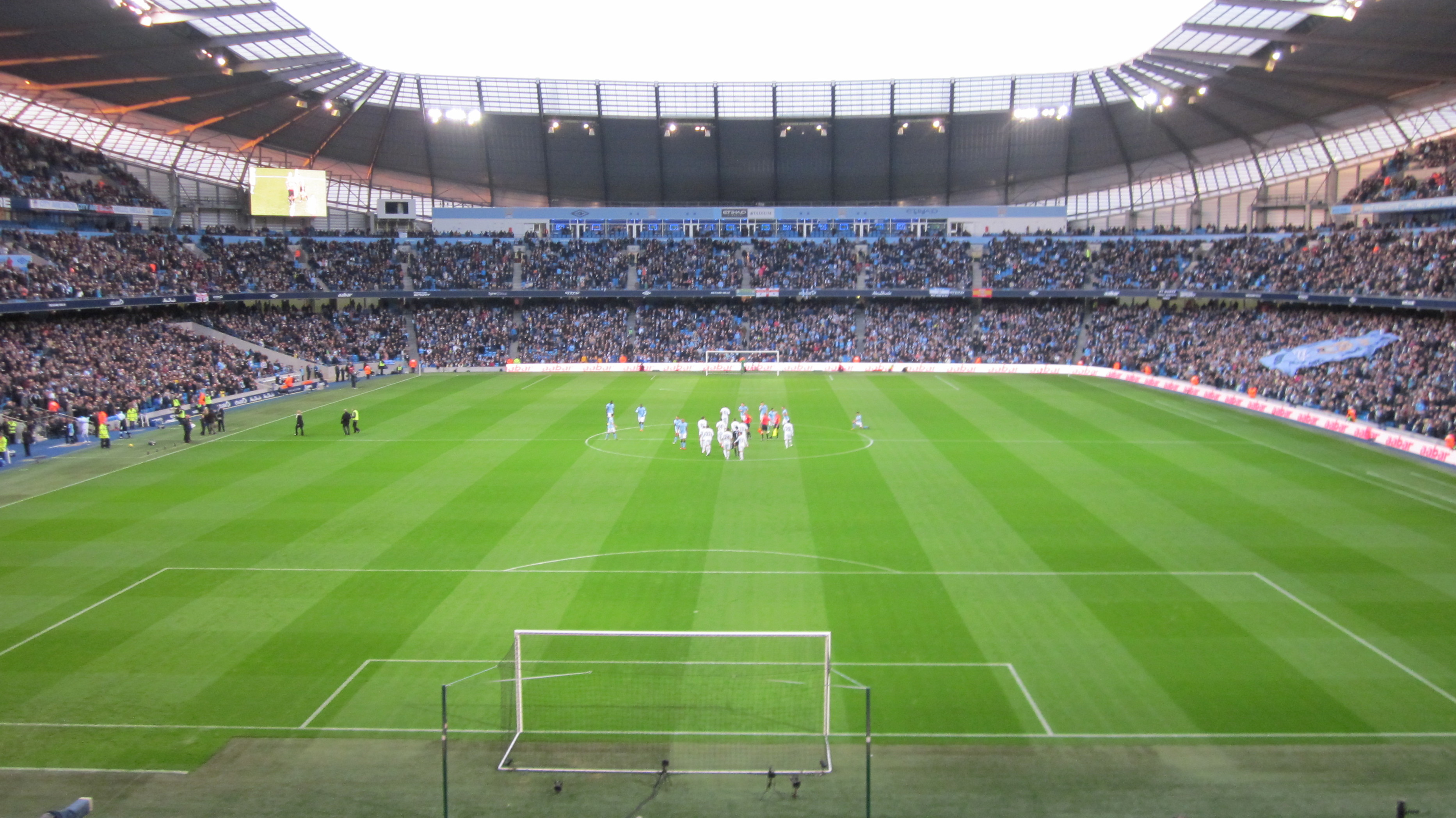
FIFA has introduced mandatory hydration breaks during each half of every match at the 2026 World Cup [1].
The decision marks a significant shift in how the sport is officiated during the tournament. By pausing the clock in the middle of play, FIFA is prioritizing player health over the traditional continuous flow of the game, sparking a debate over the cultural identity of football.
Matches are being played across the U.S., Canada, and Mexico [2]. FIFA said the breaks are necessary to protect players from heat-related illness [2]. Because of the extreme summer temperatures in North America, the governing body determined that scheduled pauses were essential for safety.
However, the move has faced heavy criticism from English pundits and analysts. Critics said the breaks represent an "Americanisation" of football, suggesting the sport is being altered to mirror the stop-and-start nature of U.S. professional leagues [1].
Some observers noted that the breaks are being used for commercial purposes. Broadcasters have aired advertisements during these mid-game pauses, a practice that is not standard for international football [1]. This has led to accusations that the safety measure is a pretext for additional revenue streams.
Reports on the impact of the breaks are mixed. Some sources said the pauses are killing match momentum and leading to boos from fans in the stands [3]. Conversely, other reports indicate that players are adapting to the new rhythm, and the situation is beginning to normalize [3].
Despite the pushback, the rule remains in effect for every single match of the tournament [1]. The mandatory nature of the breaks ensures that all teams, regardless of the score or match intensity, must stop for hydration in both the first and second halves [1].
“The breaks represent an "Americanisation" of football.”
The controversy highlights a tension between player welfare and sporting tradition. While heat mitigation is a medical necessity in North American summers, the integration of commercial timeouts suggests a shift toward a more entertainment-centric model of football. This may set a precedent for future tournaments hosted in extreme climates, potentially altering the game's fundamental pace.