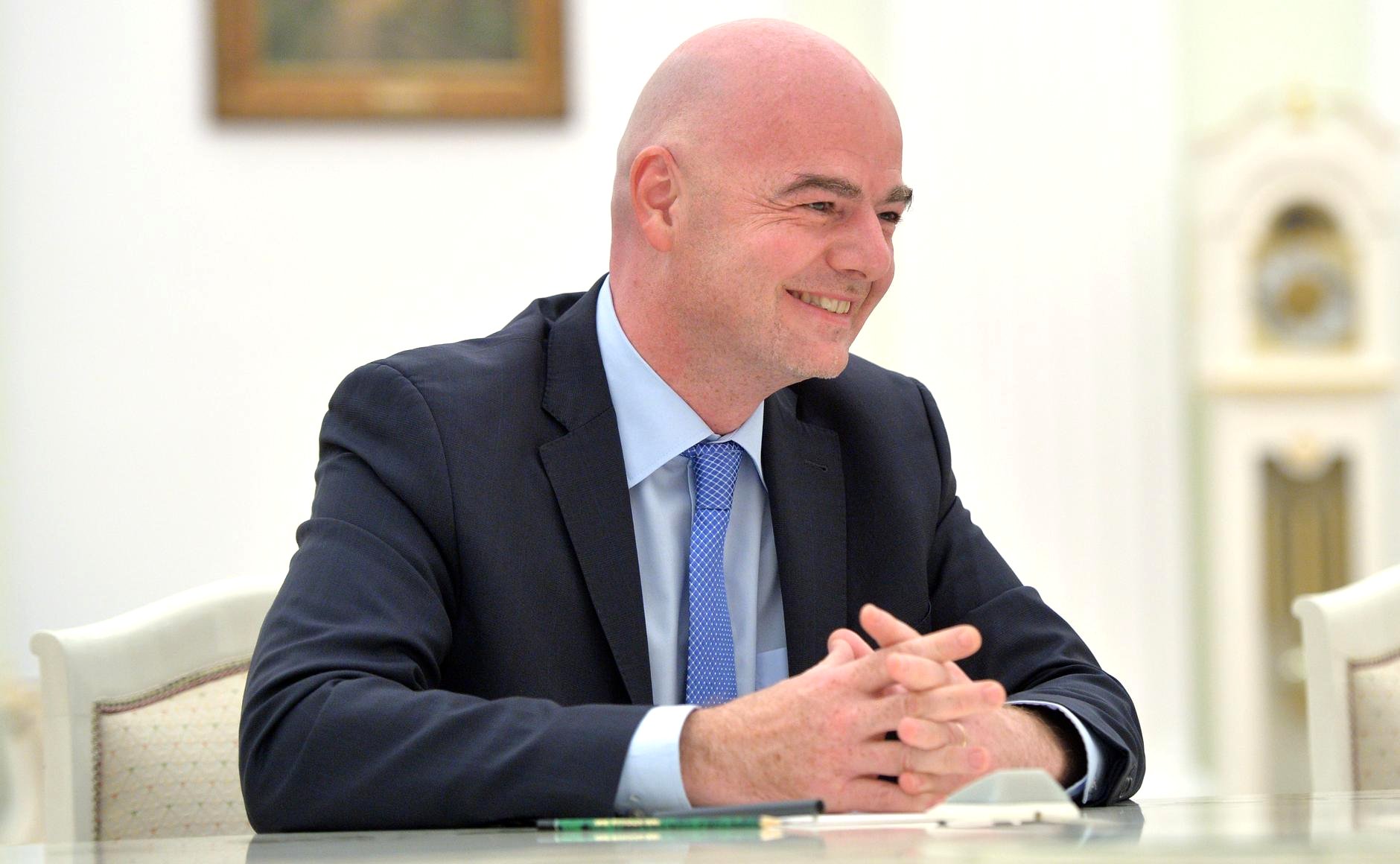
Three continental football confederations have issued a joint letter condemning FIFA President Gianni Infantino's proposal to sell stakes in the World Cup [1].
The move signals a major rift in global football governance. By opposing the privatization of the sport's premier tournament, the confederations are challenging the current leadership's authority to alter the financial structure of the game.
UEFA, the AFC, and CONCACAF released the joint statement on Monday, Aug. 10 [2]. The letter describes Infantino's plan as a "deception and a breach of trust" [3]. The confederations argue that selling stakes would commercialize a competition that should not be owned by any single entity or private group.
According to the joint statement, "Football belongs to no individual" [4]. The groups said the proposal violates FIFA's own statutes and betrays the trust of member associations across the globe.
The dispute has reached a critical point of escalation. The UEFA President said in the joint letter that the confederations will boycott FIFA competitions until the private-equity plan is withdrawn [5].
This collective action represents a rare unified front among the regional bodies. The AFC, representing Asia, and CONCACAF, representing North America, have joined UEFA in Europe to block the shift toward a private-equity model. They argue that such a transition would put the governance of the World Cup into private hands, prioritizing profit over the sport's traditional structure [6].
FIFA has not yet issued a formal response to the threat of a boycott or the specific accusations of deception. The conflict centers on whether the World Cup can be treated as a corporate asset or if it must remain a non-profit venture governed by the international community [6].
“"Football belongs to no individual"”
This confrontation reflects a deeper ideological battle over the future of global sports. If FIFA succeeds in selling stakes, it would mark the first time a major international tournament is partially privatized, potentially shifting power from member nations to private investors. A boycott by three major confederations would effectively paralyze FIFA's operational capacity, forcing a choice between the current leadership's financial vision and the traditional governance model of the sport.