
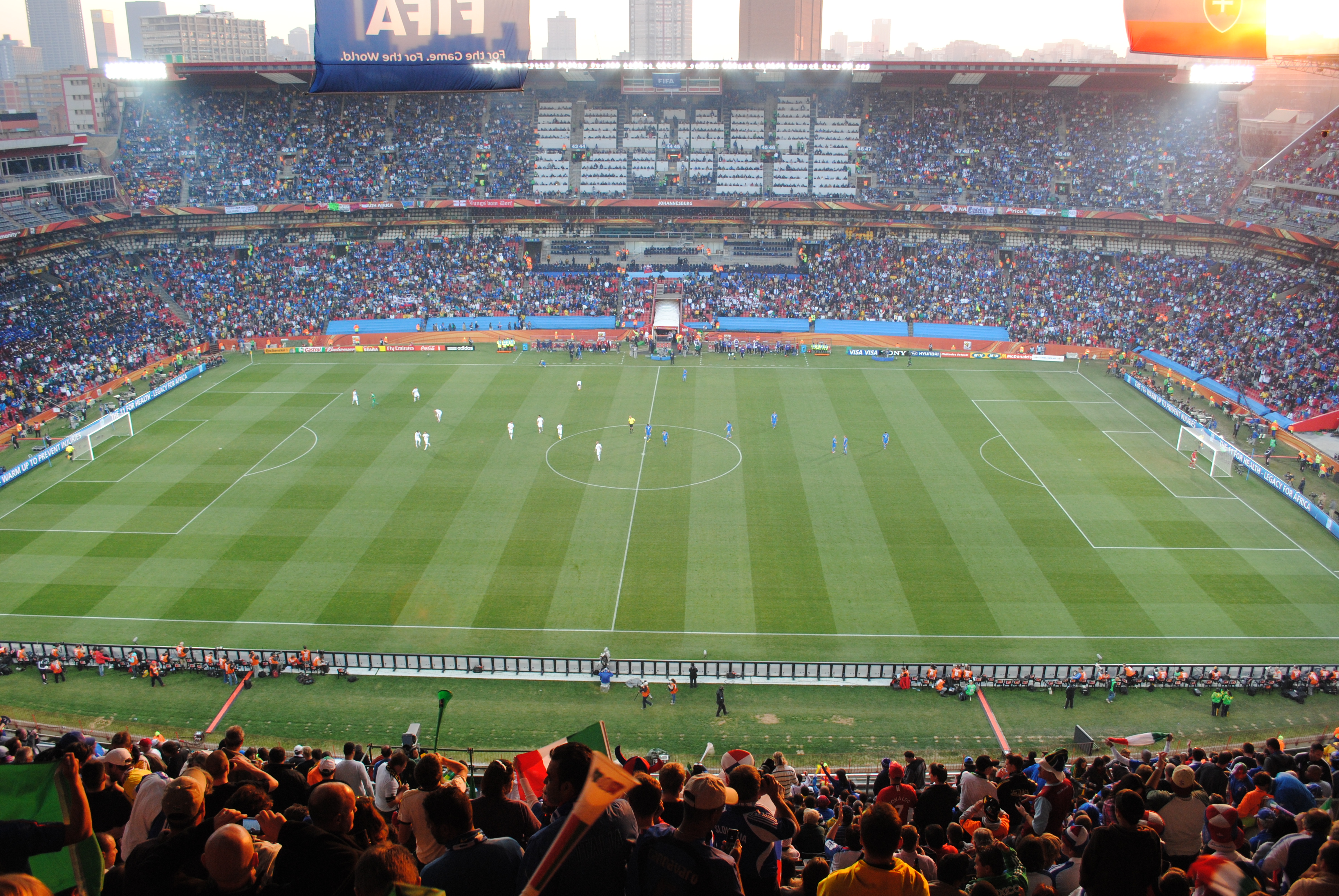
FIFA has partially reversed a ban on fans bringing water bottles into World Cup stadiums following significant political and public backlash.
The policy shift comes as concerns grow over spectator health and hydration in North American venues, where high temperatures can pose risks to fans.
FIFA initially announced a total ban on water bottles to reduce waste and control stadium conditions [3, 4]. However, the organization softened the rule on June 5, 2026 [2]. Under the updated guidelines, fans are permitted to bring unopened, soft-sided disposable water bottles into the venues [4].
Despite the reversal, the restrictions remain partial. Reusable water bottles continue to be prohibited inside the stadiums [1, 4]. This middle-ground approach follows pressure from city leaders and fan groups who argued the original ban was impractical for the climate in cities like Miami [1, 5].
In addition to the bottle policy, the tournament includes specific hydration intervals for spectators. Fans receive one three-minute hydration break during each half of a match [3].
The original ban was reported as a last-minute decision in the days leading up to the tournament [3]. The subsequent reversal was reported across multiple outlets on June 5 and June 6, 2026 [2, 5].
FIFA officials said the updated policy aims to balance stadium management with the needs of the spectators [4]. The organization has not specified if further changes to the reusable bottle ban are possible as the tournament progresses.
“FIFA has partially reversed a ban on fans bringing water bottles into World Cup stadiums.”
The reversal highlights a tension between FIFA's desire for standardized stadium control and the logistical realities of hosting a massive event in North American climates. By allowing disposable bottles but banning reusable ones, FIFA maintains a revenue stream for official vendors while mitigating the political risk of a public health crisis caused by dehydration.


