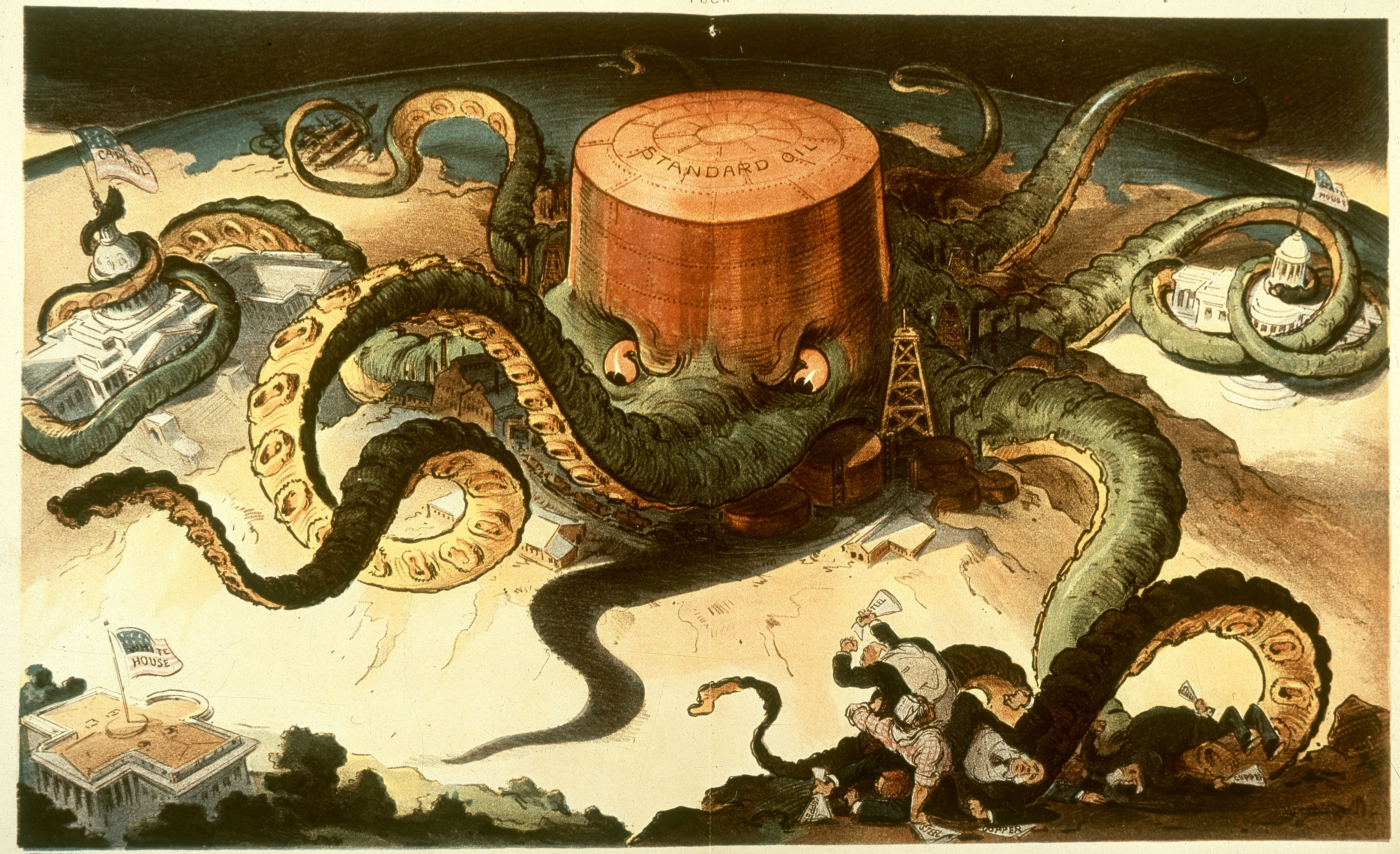
The first purpose-built gasoline service station in the U.S. opened on Dec. 5, 1905 [1], in St. Louis, Missouri [1].
This development marked a fundamental shift in how motorists accessed fuel, moving the industry away from general retail stores toward dedicated infrastructure. By creating a specialized environment for fuel sales, the company established the blueprint for the modern automotive service industry.
Before the establishment of this facility, drivers typically purchased gasoline at hardware stores or pharmacies [2]. These early transactions often involved fuel sold in small containers, which was inefficient for the growing number of automobile owners. The new station provided a dedicated location designed specifically for the distribution of gasoline to the public [2].
The Standard Oil Company of New York, also known as Socony, constructed the station [1]. The company sought to streamline the fueling process by removing the need for motorists to navigate non-automotive retail environments. This transition allowed for a more organized system of fuel delivery, and increased the visibility of the brand to passing drivers.
Located in St. Louis, Missouri [1], the station served as a proof of concept for the viability of standalone fuel outlets. The shift to purpose-built stations allowed companies to scale their distribution networks rapidly as car ownership expanded across the U.S. This infrastructure change was essential for the long-term growth of the internal combustion engine market.
The opening of the station on Dec. 5, 1905 [1], transitioned gasoline from a niche chemical product sold in pharmacies to a mass-market commodity. This move by Socony anticipated the massive demand for fuel that would define the 20th century, creating a network of service points that would eventually span the entire country.
“The first purpose-built gasoline service station in the United States opened on Dec. 5, 1905”
The transition from general retail fuel sales to dedicated service stations represents the birth of the automotive infrastructure industry. By decoupling fuel sales from pharmacies and hardware stores, oil companies were able to standardize the refueling process and create a scalable business model that supported the mass adoption of the automobile.

'%2F%3E%0A%20%20%20%20%3Crect%20width%3D'1600'%20height%3D'900'%20fill%3D'url(%23v)'%2F%3E%0A%20%20%20%20%3Cg%20opacity%3D'0.08'%20fill%3D'%23ffffff'%3E%0A%20%20%20%20%20%20%3Ccircle%20cx%3D'1420'%20cy%3D'180'%20r%3D'220'%2F%3E%0A%20%20%20%20%20%20%3Ccircle%20cx%3D'1500'%20cy%3D'760'%20r%3D'120'%2F%3E%0A%20%20%20%20%3C%2Fg%3E%0A%20%20%20%20%3Cline%20x1%3D'80'%20y1%3D'172'%20x2%3D'220'%20y2%3D'172'%20stroke%3D'%23ffffff'%20stroke-width%3D'3'%20stroke-opacity%3D'0.6'%2F%3E%0A%20%20%20%20%3Ctext%20x%3D'80'%20y%3D'140'%20font-family%3D'Inter%2C%20-apple-system%2C%20Helvetica%2C%20sans-serif'%20font-weight%3D'700'%20font-size%3D'28'%20fill%3D'%23ffffff'%20letter-spacing%3D'6'%3EHANNA%20%C2%B7%20NEWS%3C%2Ftext%3E%0A%20%20%20%20%3Ctext%20x%3D'80'%20y%3D'230'%20font-family%3D'Inter%2C%20-apple-system%2C%20Helvetica%2C%20sans-serif'%20font-weight%3D'600'%20font-size%3D'40'%20fill%3D'%23ffffffb3'%20letter-spacing%3D'4'%3ETECH%3C%2Ftext%3E%0A%20%20%20%20%3Ctext%20x%3D'80'%20y%3D'694'%20font-family%3D'Playfair%20Display%2C%20Georgia%2C%20serif'%20font-weight%3D'800'%20font-size%3D'110'%20fill%3D'%23ffffff'%20letter-spacing%3D'-1'%3EMikah%20Sargent%20Hosts%20Tech%3C%2Ftext%3E%3Ctext%20x%3D'80'%20y%3D'820'%20font-family%3D'Playfair%20Display%2C%20Georgia%2C%20serif'%20font-weight%3D'800'%20font-size%3D'110'%20fill%3D'%23ffffff'%20letter-spacing%3D'-1'%3ENews%20Weekly%20445%3C%2Ftext%3E%0A%20%20%20%20%3Ctext%20x%3D'80'%20y%3D'870'%20font-family%3D'Inter%2C%20-apple-system%2C%20Helvetica%2C%20sans-serif'%20font-weight%3D'500'%20font-size%3D'22'%20fill%3D'%23ffffff66'%20letter-spacing%3D'2'%3Enews.hanna-ai.com%3C%2Ftext%3E%0A%20%20%3C%2Fsvg%3E)
