
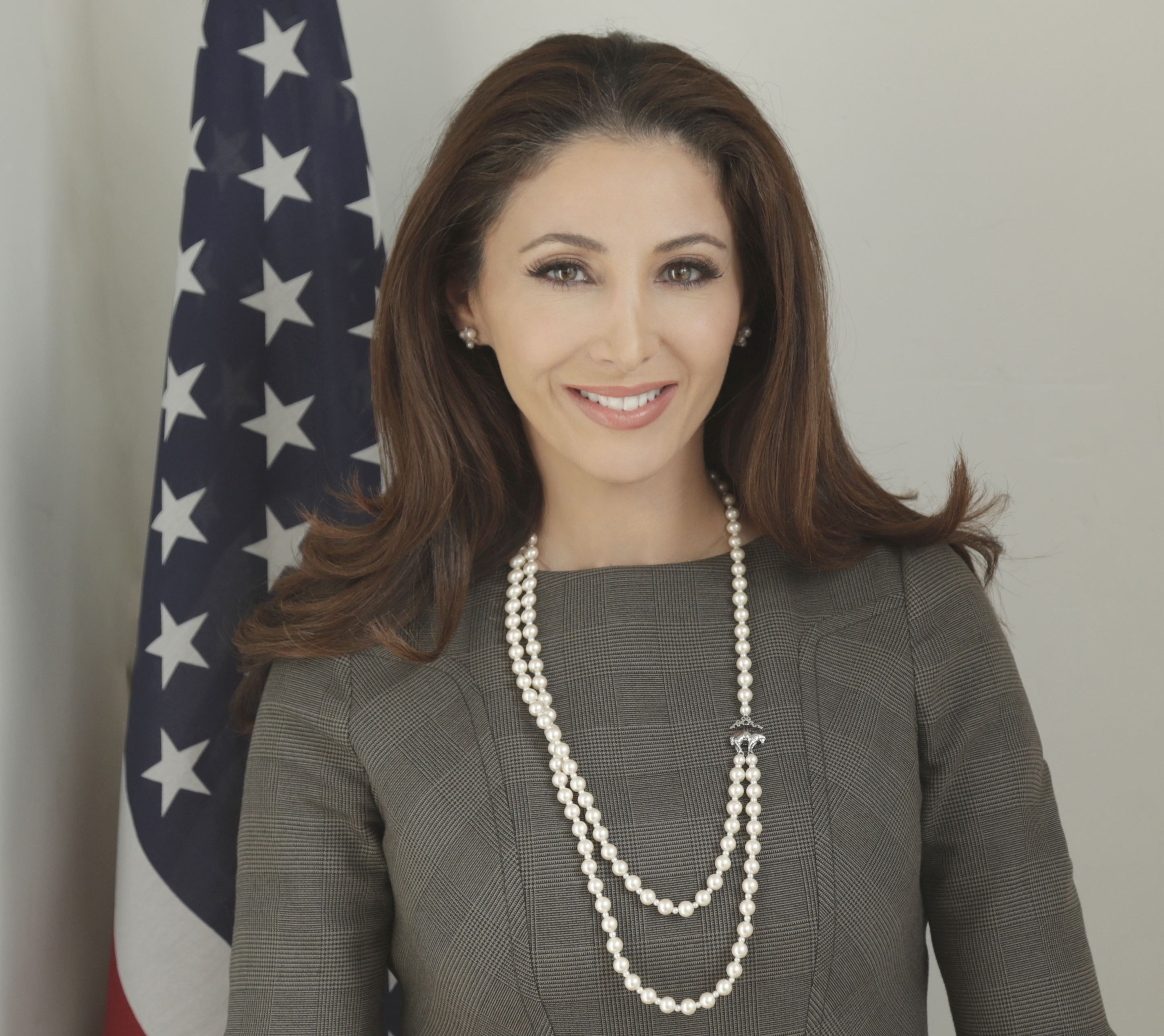
Florida Attorney General James Uthmeier filed a lawsuit against OpenAI on Monday, June 1, 2026 [2], alleging ChatGPT endangers users, especially children [1].
This legal action marks the first time a U.S. state has sued the AI company over safety risks [2]. The case could establish a legal precedent for how state governments regulate generative artificial intelligence and hold developers accountable for the psychological impact of their products on minors.
The lawsuit alleges that ChatGPT poses significant safety risks to children, including exposure to violent content, and the encouragement of self-harm [4]. The state further argues that the platform is designed to be addictive and constitutes a public nuisance [1].
Florida is seeking fines and a formal public-nuisance designation for the platform [1]. The state contends that the risks are not accidental but are the result of specific design choices. Mohit Rajhans said the platform contains flaws which have been “willingly created” and are targeting kids in the wrong way [5].
OpenAI has not yet issued a formal response to the specific allegations in the filing. The lawsuit follows a growing trend of scrutiny regarding the role of AI in youth mental health, a concern that has previously targeted social media companies.
By seeking a public-nuisance designation, Florida is attempting to use a legal framework often reserved for environmental hazards or systemic urban decay to describe a digital product [1]. This approach focuses on the broad societal harm rather than individual injuries.
“Florida became the first U.S. state to file a lawsuit against OpenAI”
This lawsuit signals a shift in AI regulation from federal guidelines to state-level litigation. By labeling ChatGPT a public nuisance, Florida is attempting to bypass some of the traditional protections for tech platforms and treat AI-generated content as a systemic public health risk, potentially opening the door for other states to file similar suits based on child safety and mental health.


