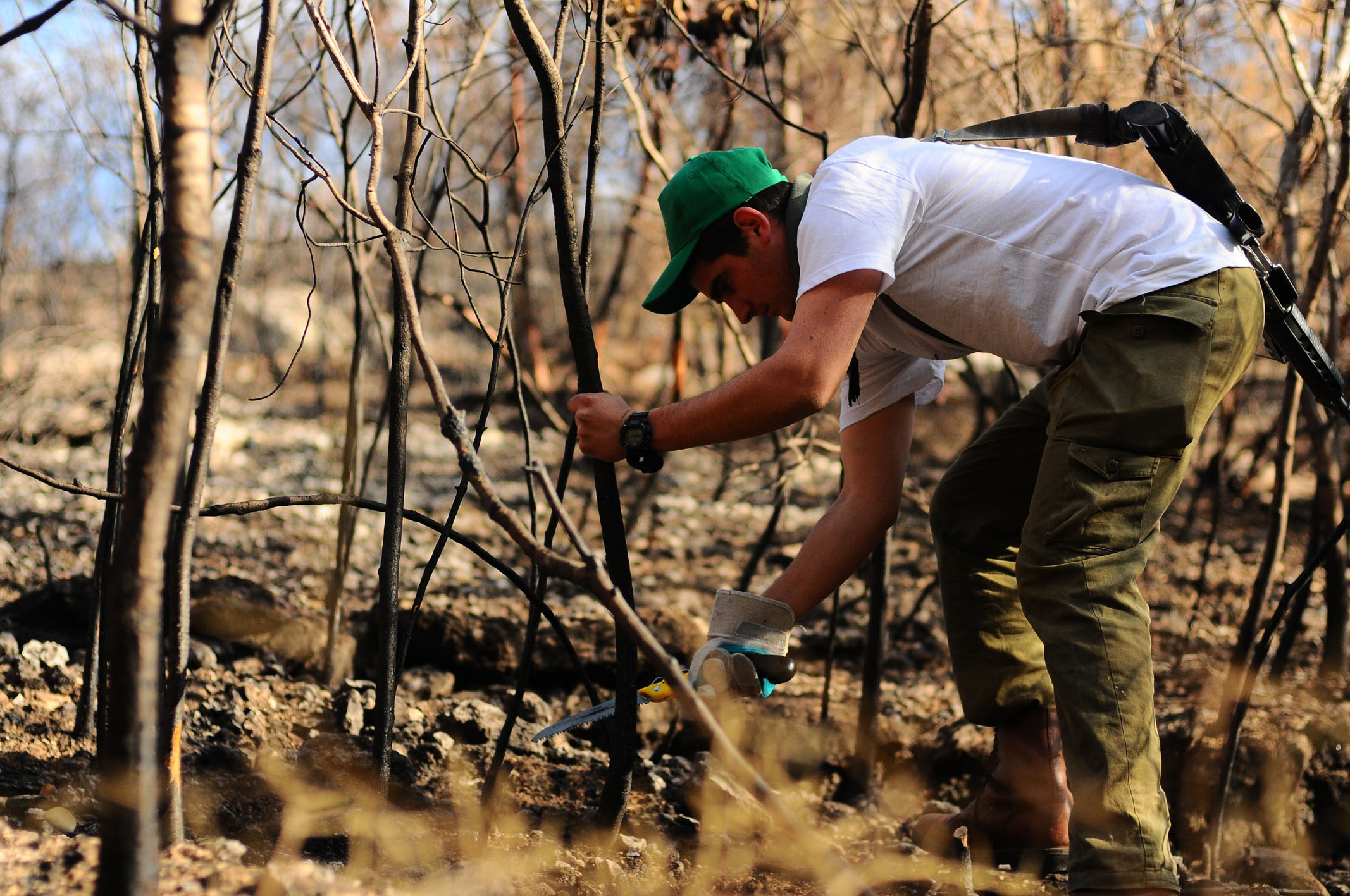
Hundreds of French firefighters contained two major blazes in the Fontainebleau forest near Paris this week [1], [2].
The incident highlights the increasing vulnerability of French woodlands to extreme weather as the country grapples with a series of intense temperature spikes. The scale of the destruction threatens local biodiversity, and the safety of regions surrounding the capital.
Emergency crews worked for two days to bring the fires under control [1], [2]. According to reports, the blazes destroyed more than 2,000 hectares of forest land [1]. The effort required the deployment of hundreds of personnel to prevent the flames from spreading further into the protected woodland [1], [2].
Officials said the fires were linked to a severe weather pattern. France is currently experiencing its third consecutive heatwave [1]. This persistent high-temperature trend has led to extreme dryness in the soil and vegetation, creating volatile conditions where small sparks can quickly evolve into uncontrollable wildfires [1], [2].
The Fontainebleau forest is one of the most significant natural areas near Paris. The loss of over 2,000 hectares [1] represents a significant blow to the regional ecosystem. Firefighters remained on site to ensure no new hotspots ignited as the heatwave continued to affect the region [1].
While the two primary fires are now contained [1], the underlying environmental conditions remain precarious. The combination of prolonged drought and soaring temperatures has made the French countryside increasingly susceptible to rapid fire spread [1], [2].
“Hundreds of French firefighters contained two major blazes in the Fontainebleau forest.”
The recurrence of three consecutive heatwaves indicates a compounding environmental stressor that exceeds the natural recovery time of French forests. When vegetation remains dry over several cycles, the risk of high-intensity fires increases, suggesting that traditional firefighting resources may face greater strain as extreme weather becomes a seasonal norm rather than an anomaly.


