
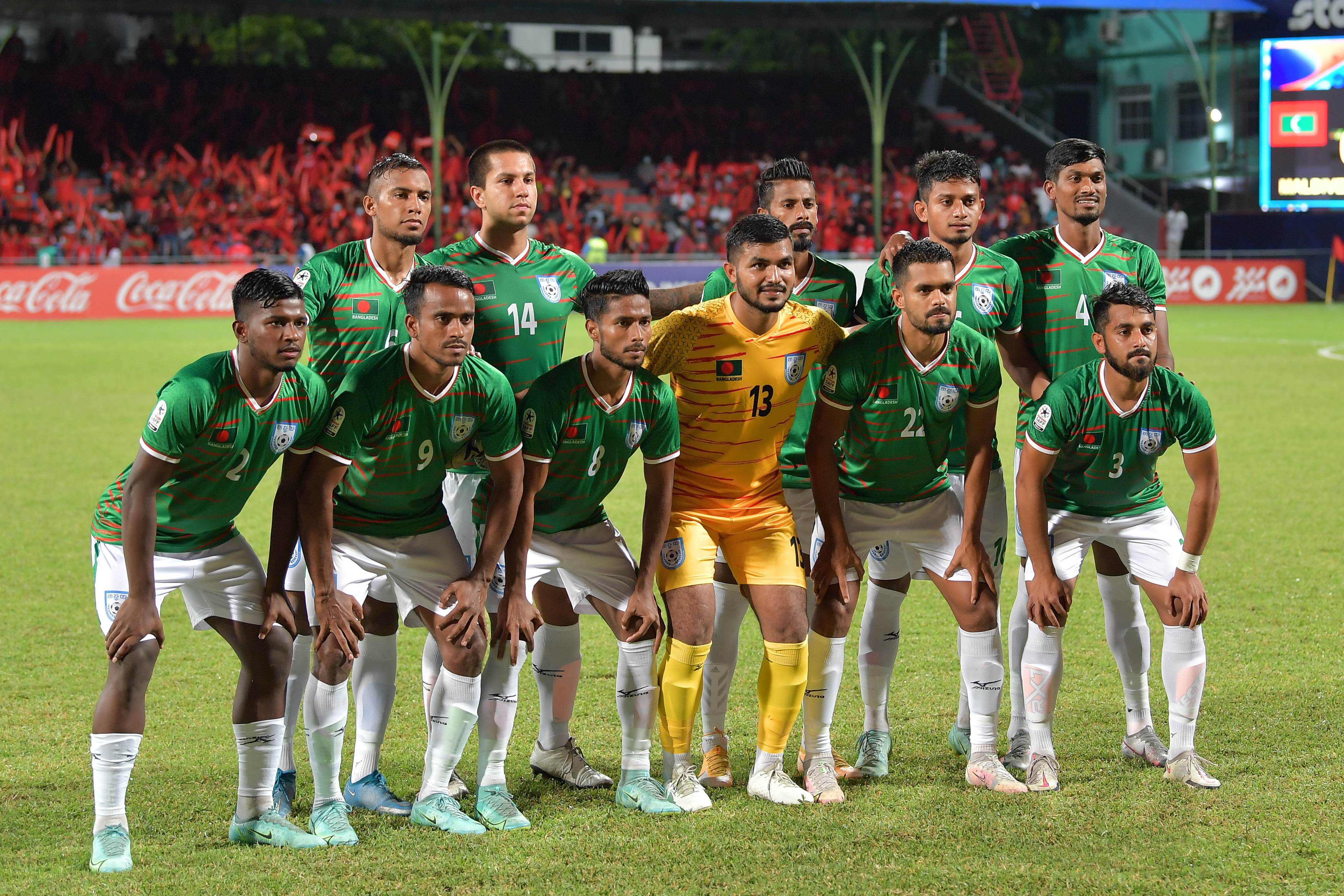
Multiple sports outlets have released comprehensive lists of football players who have switched their international allegiance to represent different countries [1].
These shifts highlight the evolving nature of athlete identity and the strategic use of FIFA's eligibility regulations to maximize playing opportunities on the global stage.
Reports from Punch Nigeria, Goal.com, and MSN identify several notable internationals who have navigated this process [1, 2, 3]. Among the players listed are Diego Costa and Wilfried Zaha, both of whom changed the nations they represent during their professional careers [1, 3].
The ability for a player to change their national team is not unrestricted. FIFA eligibility rules allow players to change their allegiance only under specific conditions [2]. These regulations determine whether a player has a valid ancestral link to a country or has met residency requirements, provided they have not played a competitive senior international match under certain constraints [2].
Such transitions often occur when players feel they have a better opportunity to secure a starting position or achieve tournament success with a different national side [2]. The process requires a formal application to FIFA's Players' Status Committee to ensure all eligibility criteria are met before the switch is ratified [2].
As the global game becomes more interconnected, the trend of players utilizing dual citizenship or ancestral ties has increased. This allows national teams to bolster their rosters with talent developed in other footballing powerhouses, a move that continues to spark debate regarding the spirit of international competition [2].
“FIFA eligibility rules allow players to change national team allegiance under specific conditions.”
The prevalence of players switching national teams reflects a shift toward a more fluid definition of international identity in sports. By leveraging FIFA's eligibility rules, athletes can prioritize professional growth and competitive opportunities over the country of their birth, while smaller nations can rapidly increase their competitiveness by recruiting diaspora talent.


