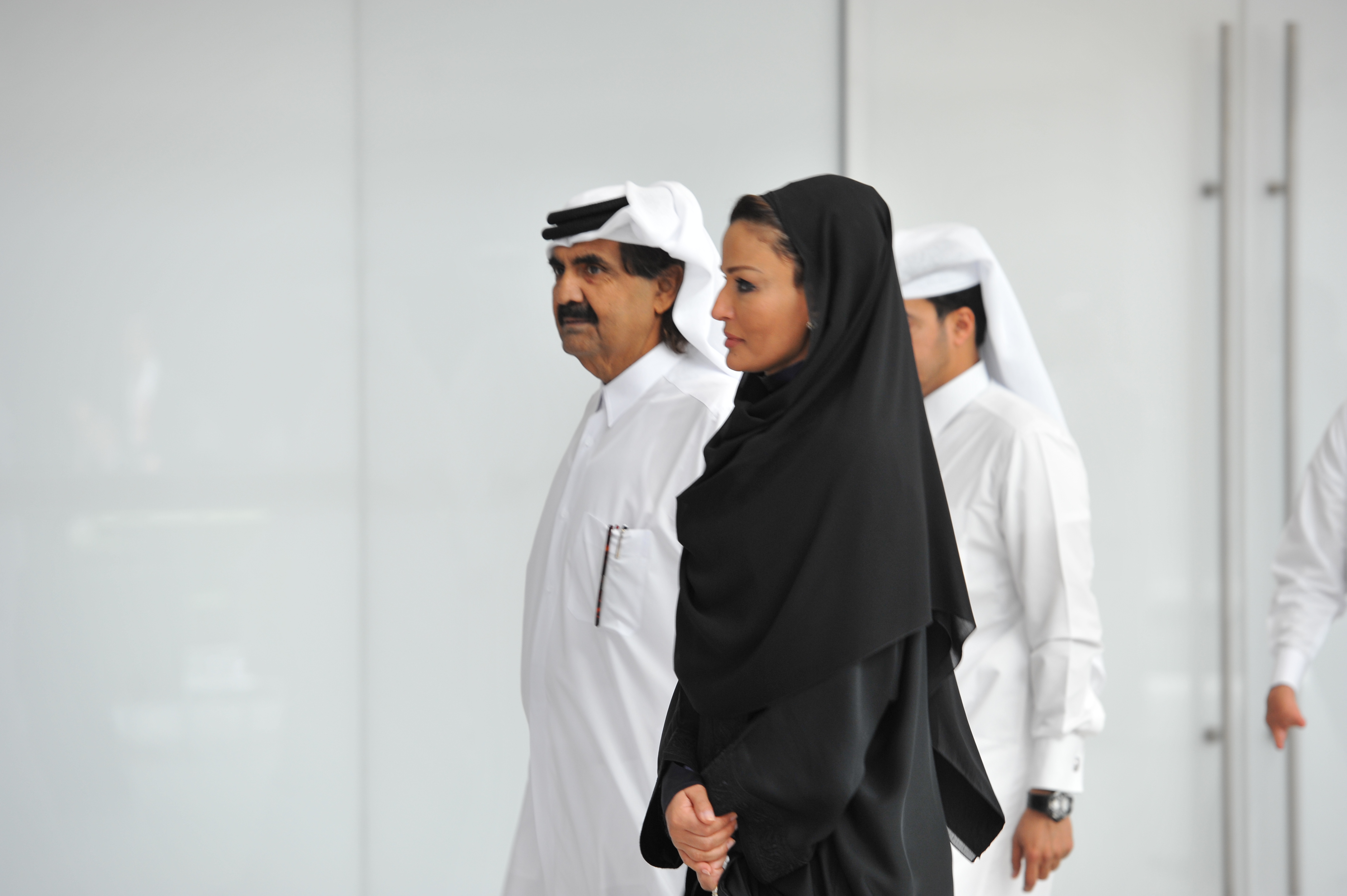
Former Emir of Qatar Sheikh Hamad bin Khalifa Al Thani died Sunday at the age of 74 [1].
His death marks the end of an era for a leader who oversaw the rapid transformation of Qatar into a global energy powerhouse and diplomatic hub. The loss of the former head of state triggers a formal period of national grief and state protocols across the Gulf region.
Sheikh Hamad bin Khalifa Al Thani was laid to rest in Doha [1]. Following the announcement of his death on July 12, 2026 [3], the Qatari government declared a four-day period of national mourning [2]. The mourning period began on the day of his death and is scheduled to last through the week [2].
The impact of the mourning period extends beyond the borders of Qatar. Official observances and mourning protocols have been established at the Kuwaiti and Jordanian embassies to honor the former leader [1].
Sheikh Hamad bin Khalifa Al Thani served as the Emir before transitioning the leadership to his son. During his tenure, he was instrumental in expanding the nation's influence through the establishment of the Al Jazeera network and the strategic development of the country's natural gas reserves. These initiatives shifted the geopolitical standing of the small peninsula state, positioning it as a key mediator in Middle Eastern conflicts.
State officials have coordinated the burial in Doha to ensure the transition of the national mourning period remains orderly. The four-day window [2] allows for diplomatic delegations and citizens to pay their respects to the man who shaped the modern Qatari state.
“Former Emir of Qatar Sheikh Hamad bin Khalifa Al Thani died Sunday at the age of 74.”
The death of Sheikh Hamad bin Khalifa Al Thani represents a symbolic closing of the chapter on the era of Qatar's most aggressive international expansion. By establishing the country as a center for media and diplomacy, he created the framework that the current administration continues to use to maintain autonomy and influence among larger regional powers.