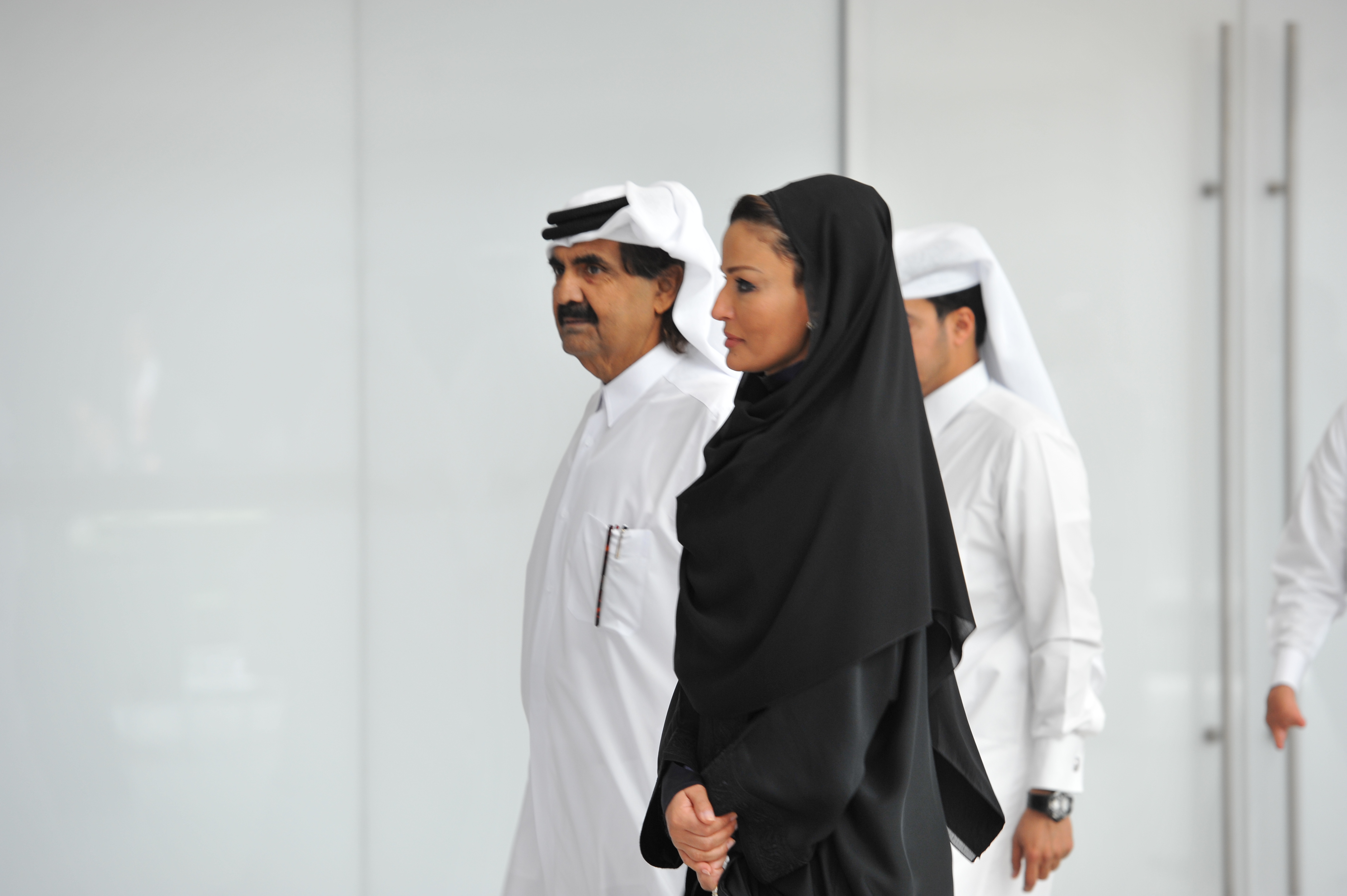
Sheikh Hamad bin Khalifa Al Thani, the former Emir of Qatar, died on Sunday, July 12, 2026 [1].
His death marks the end of a pivotal figure who steered Qatar through a period of rapid economic growth and increased international influence. As the former head of state, his legacy is tied to the modernization of the country's infrastructure, and its strategic positioning in global energy markets.
Sheikh Hamad died at the age of 74 [1]. He served as the Emir of Qatar before stepping down to hand over power to his son, a move that was seen as a rare transition of leadership in the region.
During his tenure, the nation saw a significant expansion of its liquefied natural gas industry. This economic shift transformed the small Gulf state into one of the wealthiest nations per capita globally. He also oversaw the establishment of various cultural and educational institutions that aimed to project Qatari soft power across the Middle East and beyond.
Reports from the BBC and U.S. News confirmed the death occurred in Qatar [2]. The announcement has prompted tributes from regional leaders and international diplomats who worked with him during his years in power.
While the specific cause of death was not provided in official reports, the news of his death has led to a period of national mourning. The state is expected to hold official ceremonies to honor his contributions to the development of the modern Qatari state.
“Sheikh Hamad bin Khalifa Al Thani, the former Emir of Qatar, died on Sunday, July 12, 2026.”
The death of Sheikh Hamad bin Khalifa Al Thani represents the closing of a chapter for Qatar's leadership. Having voluntarily abdicated the throne to his son, Sheikh Hamad helped establish a precedent for stable succession in a region often characterized by abrupt power shifts. His era defined Qatar's transition from a regional player to a global energy superpower, creating the financial foundation that allows the current administration to maintain its diplomatic and sporting ambitions.


