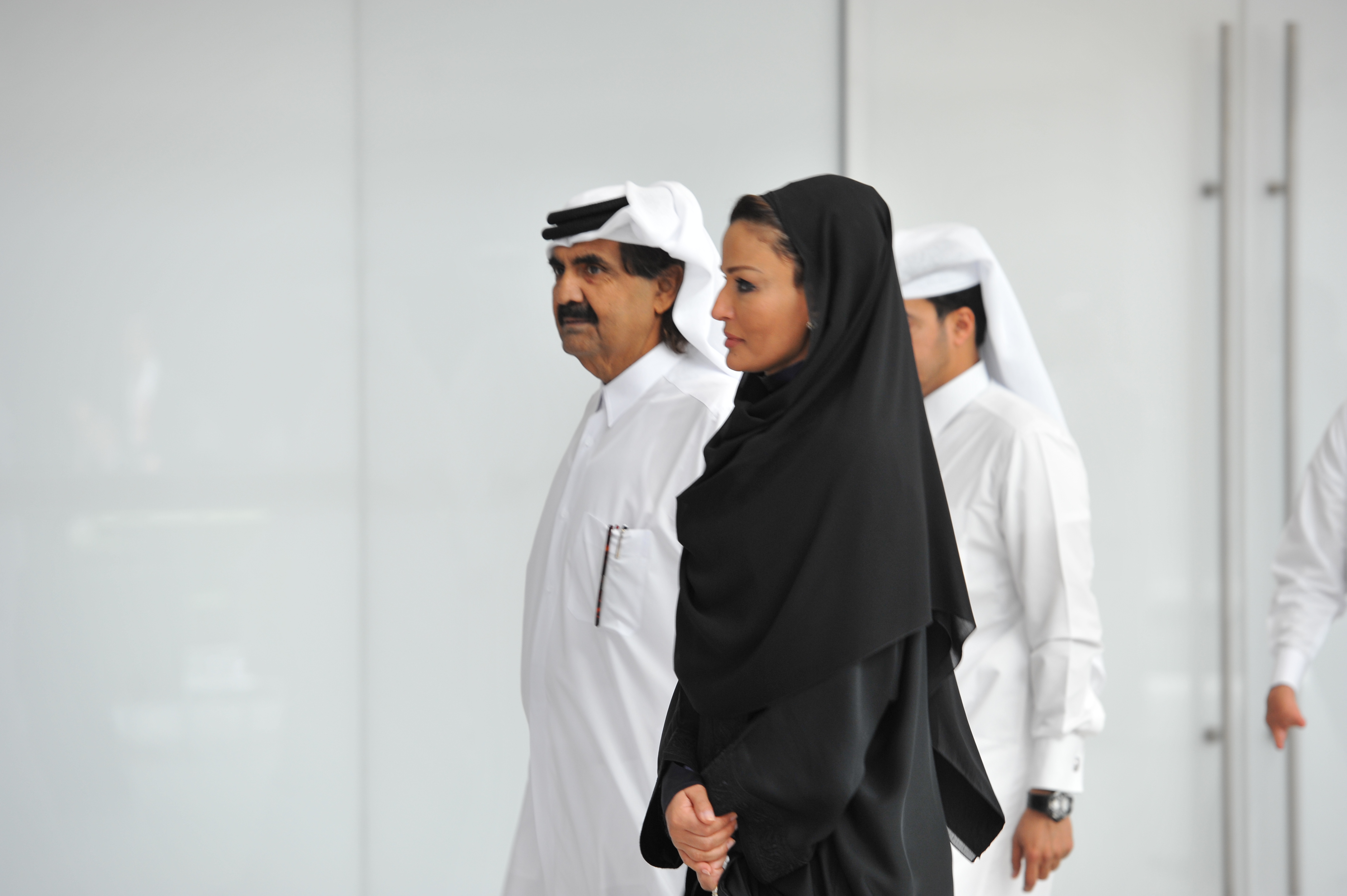
Sheikh Hamad bin Khalifa Al Thani, the former Emir of Qatar, died July 12 at the age of 74 [1].
His leadership is credited with elevating Qatar from a regional state to a significant international influence. By leveraging the nation's wealth, he established the country as a central hub for global diplomacy and media.
Sheikh Hamad ruled Qatar from 1995 to 2013 [2]. During his 18-year tenure, he focused on diversifying the economy and expanding the nation's reach through strategic investments and diplomatic mediation [3]. He is remembered for turning the country into an international crossroads in less than a generation, a Reuters report said [4].
In a move that deviated from regional tradition, he voluntarily transferred power to his son in June 2013 [5]. This transition marked the end of nearly two decades of direct rule that fundamentally altered the state's global profile.
Observers said that as ruler, he transformed the tiny Gulf nation into a global player in diplomacy, media, and investment [6]. His approach combined the use of sovereign wealth with a willingness to engage in high-stakes international politics—a strategy that defined Qatar's modern identity.
He died at 74 [1], leaving behind a legacy of rapid modernization and an unprecedented level of international visibility for the state.
“The former ruler turned Qatar from a backwater into an international crossroads in less than a generation”
The death of Sheikh Hamad marks the end of an era for Qatar's foundational modernization. His decision to voluntarily abdicate in 2013 was a rare occurrence in the Gulf region and established a precedent for a stable, planned succession. His tenure created the diplomatic and economic infrastructure that allows Qatar to act as a primary mediator in Middle Eastern conflicts today.

