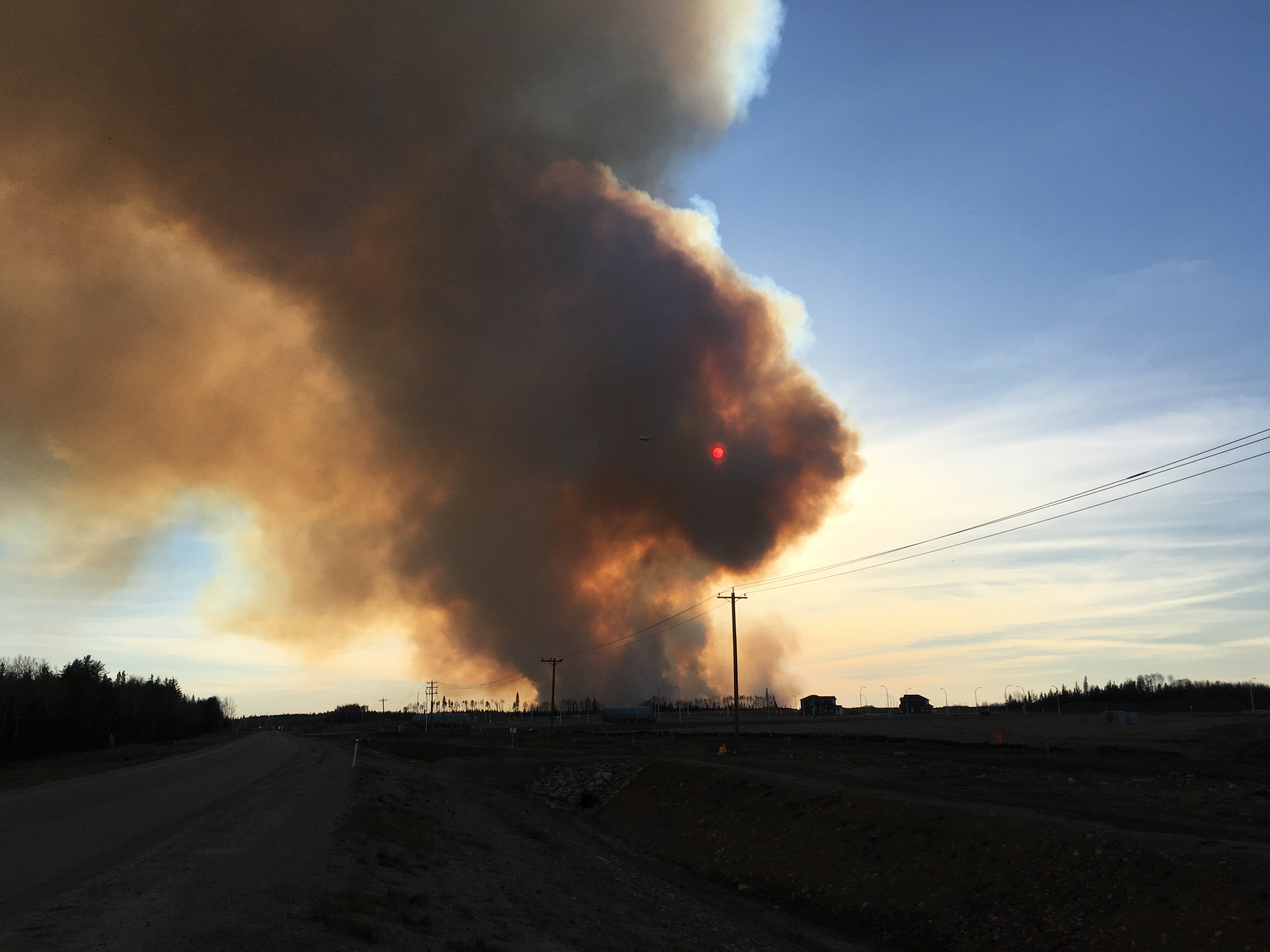
Canada is marking the 10-year anniversary of the May 2016 Fort McMurray wildfire this week [1, 2].
The milestone serves as a critical reminder of the evolving threat of wildfires and the long-term impact of smoke on public health across the country. By reflecting on the disaster, city officials and insurance experts aim to evaluate improvements in emergency preparedness and warn of ongoing risks.
The 2016 blaze remains the most devastating and costliest natural disaster in the history of the country, a spokesperson for the Insurance Bureau of Canada said [2]. The fire burned approximately 590,000 hectares of land [1]. The scale of the destruction was immense, as the wildfire destroyed more than 2,400 homes [2].
Financial impacts were equally severe. The disaster cost approximately $9.9 billion (CAD) [2]. These figures highlight the vulnerability of urban centers located near dense forests, a challenge that persists as climate patterns shift.
Residents and officials in Fort McMurray, Alberta, are using the anniversary to discuss the necessity of updated evacuation protocols and infrastructure resilience. The focus has expanded beyond the immediate fire risk to include the persistent threat of smoke, which now affects populations far beyond the initial burn zones [1].
"Marking the 10-year anniversary of the 2016 Fort McMurray fire," Canadian Underwriter said in a report dated April 29 [1]. The commemoration emphasizes that while the city has rebuilt, the national risk profile for wildfires has increased since 2016.
“The 2016 wildfire destroyed more than 2,400 homes.”
The 10-year retrospective of the Fort McMurray fire underscores a shift in Canadian disaster management. The transition from treating wildfires as isolated regional events to recognizing them as a national systemic risk—particularly regarding smoke and insurance costs—indicates that the 2016 event served as a catalyst for modernizing emergency response and urban planning in wildfire-prone zones.


