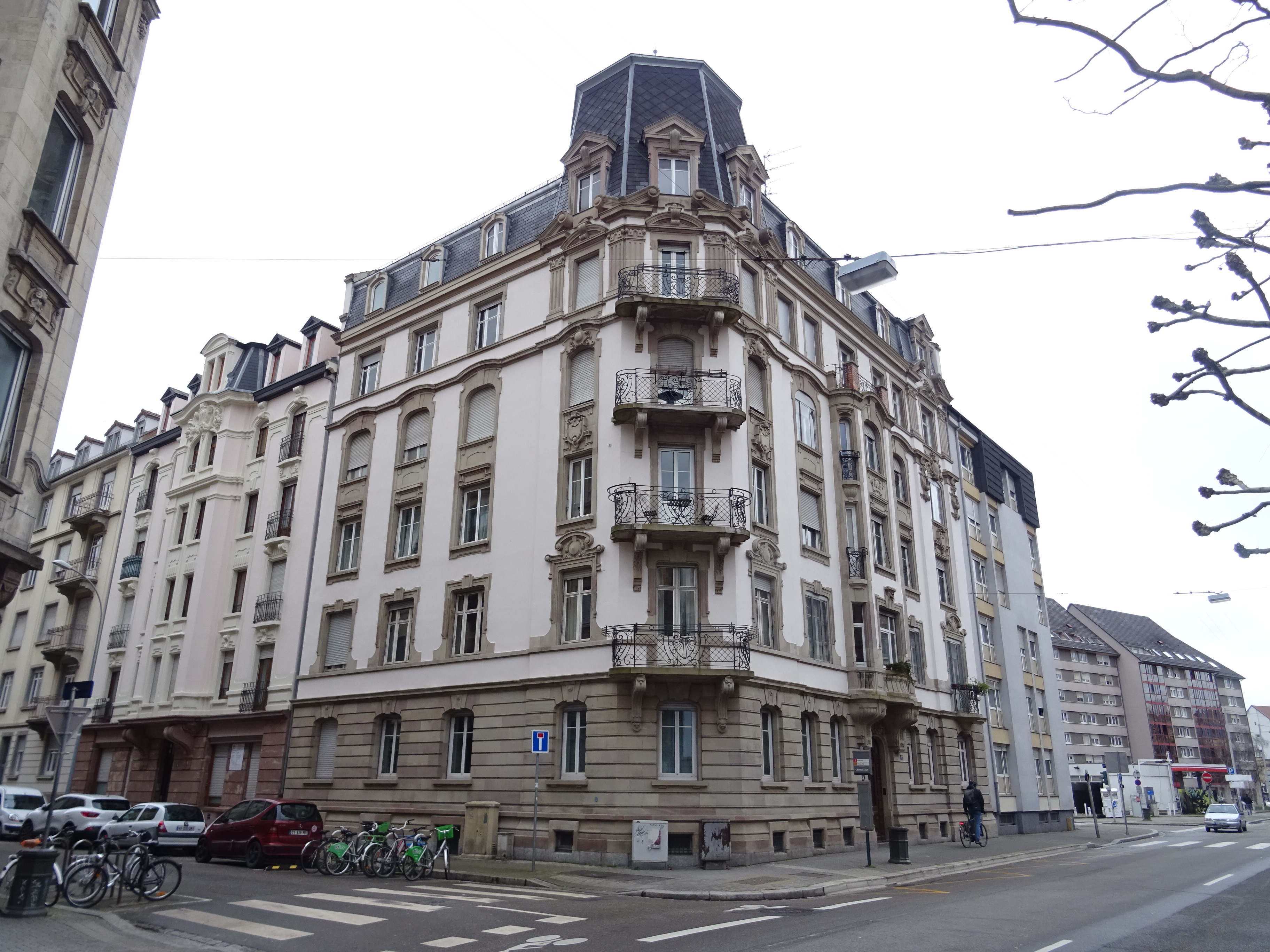
External shutters have largely disappeared from apartment buildings across France, reducing the ability of residents to cool their homes during heatwaves.
This trend complicates urban heat management as temperatures rise. The loss of these barriers removes a primary method of passive cooling, forcing a greater reliance on energy-intensive air conditioning systems to maintain habitable indoor environments.
Data indicates that four out of 10 housing units in France no longer have shutters [2]. These external barriers, known as volets, serve as a critical shield against direct solar radiation. By blocking sunlight before it hits the glass of a window, shutters prevent the greenhouse effect from warming the interior of a room.
The impact on indoor climate is significant. External shutters can reduce interior temperatures by at least 2 °C during periods of strong heat [1]. This temperature difference can be the deciding factor in preventing heat-related illness for vulnerable populations, such as the elderly, who often reside in older apartment complexes.
While modern architecture often prioritizes aesthetic minimalism or different glazing technologies, the removal of traditional shutters leaves many residents exposed. The absence of these tools means that heat penetrates deeper into the building structure, making it harder to cool the space even after the sun sets.
Urban planners and residents now face the challenge of retrofitting buildings, or finding alternative shading solutions. Without the widespread use of volets, the energy demand for cooling is expected to rise as summer temperatures continue to fluctuate.
“Four out of 10 housing units in France no longer have shutters.”
The decline of external shutters represents a conflict between modern architectural trends and climate adaptation. As France experiences more frequent and intense heatwaves, the loss of passive cooling infrastructure increases the risk of urban heat islands and elevates national energy consumption for cooling.


