President Emmanuel Macron presided over the annual Bastille Day military parade in Paris on Tuesday, featuring a strong display of support for Ukraine [1].
The event served as a strategic signal of European military unity. By integrating foreign troops and aircraft into the national celebration, France aimed to demonstrate a collective resolve among European allies to maintain security and support for Kyiv [2, 3].
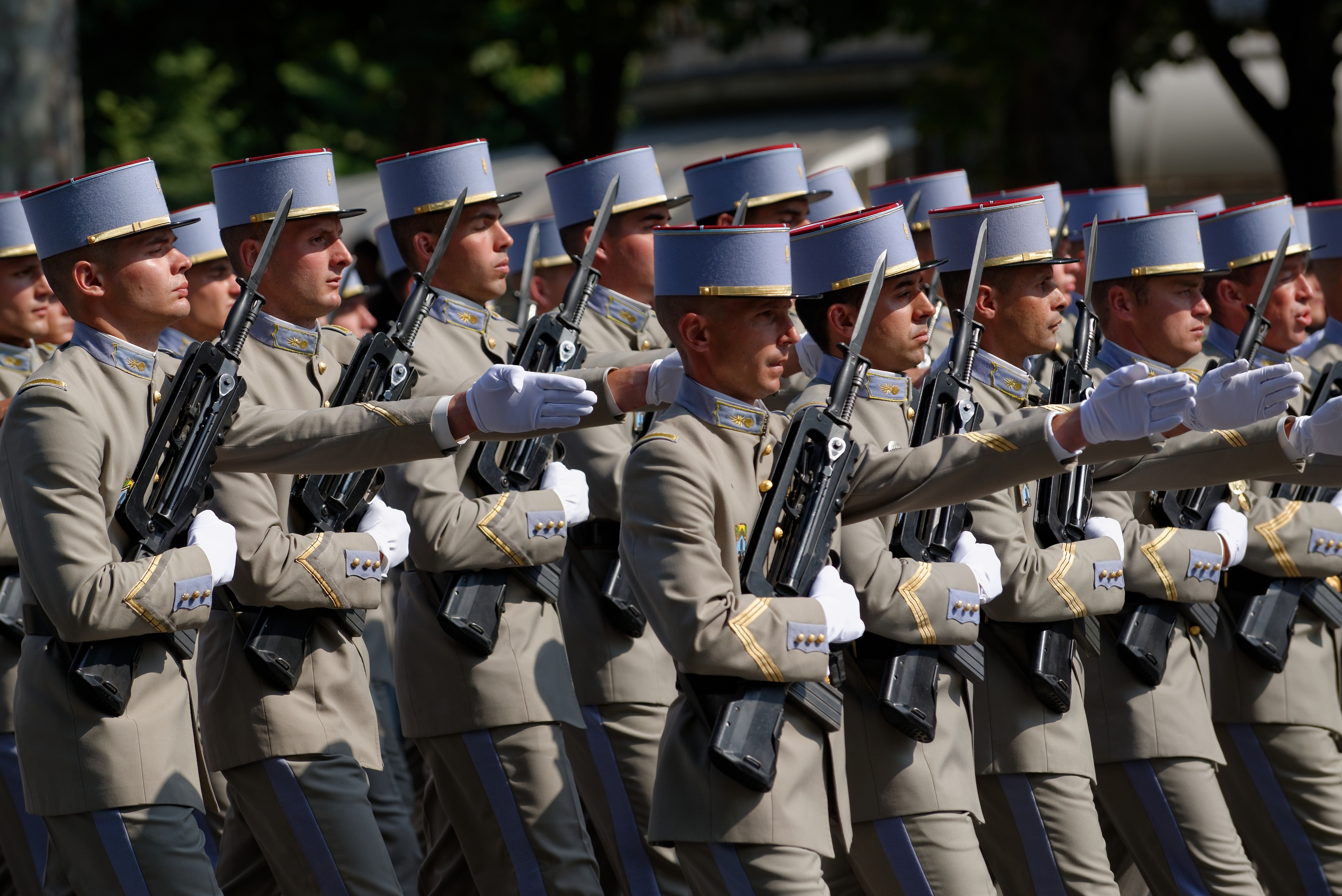
More than 3,000 troops marched along the Champs-Élysées during the ceremony [4]. Among them were approximately 500 troops from the Coalition of the Willing, a group of nations committed to coordinating military efforts [2]. The parade also featured a diverse array of international participants, including six barefoot Maori soldiers [4].
Air support played a central role in the festivities. Aircraft from 11 European countries flew over the city, showcasing the combined aerial capabilities of the region's defense forces [2].
This ceremony marked a personal milestone for the French leader. It was Macron's 10th and final national day parade as president [5]. The event combined traditional pomp and color with modern geopolitical messaging, emphasizing a unified European front against external threats [5, 6].
Throughout the day, the parade featured various French regiments alongside the foreign military representatives. The presence of the Coalition of the Willing underscored the shift toward a more integrated European defense posture [1, 3].
“More than 3,000 troops marched along the Champs-Élysées during the ceremony.”
The inclusion of the Coalition of the Willing in a traditionally nationalistic celebration suggests that France is pivoting its military identity toward European leadership. By centering Ukraine's support during President Macron's final parade, France is attempting to institutionalize a framework of collective defense that persists beyond his own presidency.